
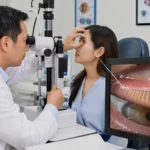
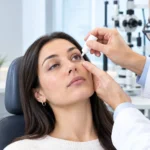


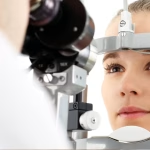
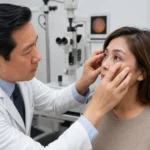

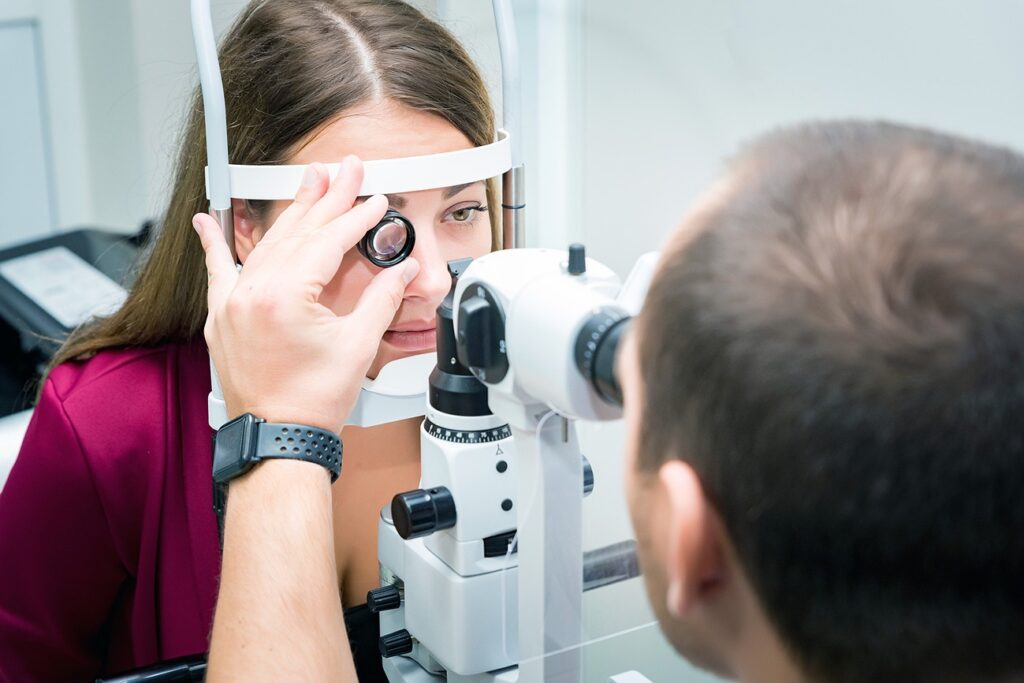
Glaucoma Eye Test – Early Detection, Symptoms, and Complete Eye Examination Guide
Vision is one of the most important senses, yet many serious eye conditions develop quietly without noticeable warning signs. One of the most common and serious of these is glaucoma. A glaucoma eye test is essential because it can detect this disease early, often before vision loss occurs. Many people live with glaucoma for years without realizing it. This is why routine eye examinations are vital. Trusted clinics like Lee Vision provide professional glaucoma testing using advanced diagnostic equipment to ensure accurate results and timely intervention.
What Is Glaucoma?
Glaucoma is a group of eye diseases that gradually damage the optic nerve, usually due to increased intraocular pressure (IOP). This pressure builds up when fluid inside the eye does not drain properly, which can damage the optic nerve over time. There are several types of glaucoma, including primary open-angle glaucoma, angle-closure glaucoma, and secondary glaucoma caused by injuries or other medical conditions. Regardless of the type, the key to preserving vision is early detection through a glaucoma eye test. For more information on glaucoma, you can refer to the American Academy of Ophthalmology.
Why a Glaucoma Eye Test Matters
Many people think that if their vision seems fine, they do not need a glaucoma test. However, early-stage glaucoma usually causes no noticeable symptoms, and vision loss often starts at the edges. Routine testing allows eye doctors to detect subtle changes before permanent damage occurs. Adults over 40 and individuals with diabetes, high blood pressure, or a family history of glaucoma should prioritize regular eye examinations. Clinics like Lee Vision offer advanced glaucoma testing with experienced specialists.
Components of a Glaucoma Eye Test
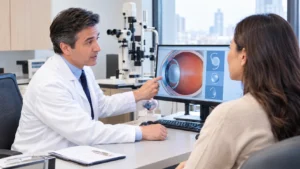
A comprehensive glaucoma eye test consists of several assessments to obtain a complete picture of eye health:
1. Intraocular Pressure Measurement (Tonometry)
Tonometry measures the pressure inside your eyes. High eye pressure is a major risk factor, but glaucoma can occur even at normal pressures.
2. Optic Nerve Evaluation (Ophthalmoscopy)
The optic nerve is examined using imaging tools to identify damage early. Regular evaluation helps detect glaucoma before vision is affected.
3. Visual Field Test (Perimetry)
This test measures peripheral vision. Glaucoma often affects the edges of vision first, making this test essential.
4. Corneal Thickness Measurement (Pachymetry)
Corneal thickness affects pressure readings and helps doctors determine glaucoma risk.
5. Gonioscopy
This examines the drainage angle of the eye, helping classify the type of glaucoma and guiding treatment. For details about these tests, visit Lee Vision.
Types of Glaucoma Eye Tests
Different tests are used to detect glaucoma accurately:
-
Tonometry: Measures intraocular pressure using air puff or contact instruments.
-
Optical Coherence Tomography (OCT): Imaging that detects optic nerve damage.
-
Visual Field Test: Maps the field of vision to identify blind spots.
-
Gonioscopy: Examines the drainage angle to determine glaucoma type.
Advanced clinics like Lee Vision use these tests together for precise diagnosis.
Symptoms—What Does Glaucoma Feel Like?
Many patients ask, “What does glaucoma feel like?” In most cases, early glaucoma has no noticeable symptoms. Vision loss begins at the edges, which is often unnoticed until advanced stages.
In rare cases, such as acute angle-closure glaucoma, symptoms may include severe eye pain, headache, blurred vision, or halos around lights. This is a medical emergency. The Mayo Clinic also offers trustworthy information regarding glaucoma symptoms.
Risk Factors for Glaucoma
Several factors increase the likelihood of developing glaucoma:
-
Age over 40
-
Family history of glaucoma
-
Diabetes or high blood pressure
-
Long-term steroid use
-
Previous eye injuries
-
Thin corneas
Individuals with these risks should schedule regular glaucoma eye tests. Clinics like Lee Vision provide personalized screening and early detection services.
When to See a Glaucoma Specialist
A glaucoma specialist is consulted when test results indicate risk or optic nerve damage. High-risk individuals include:
-
Adults over 40
-
Those with family history of glaucoma
-
Patients with high eye pressure
-
Individuals with prior eye injuries
Specialists provide accurate diagnosis, treatment planning, and ongoing monitoring. You can learn more about glaucoma specialists at Lee Vision.
Treatment Options
Treatment focuses on reducing eye pressure to prevent further optic nerve damage:
1. Prescription Eye Drops
used on a daily basis to reduce eye pressure and delay the development of glaucoma.
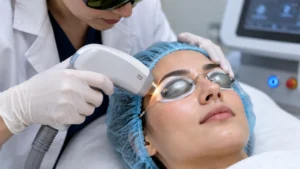
2. Laser Therapy
enhances eye fluid drainage to lower intraocular pressure.
3. Surgical Techniques
suggested for advanced glaucoma when laser therapy or drops are inadequate.
Early detection through a glaucoma eye test ensures treatment is tailored to your eyes and lifestyle.
Living With Glaucoma
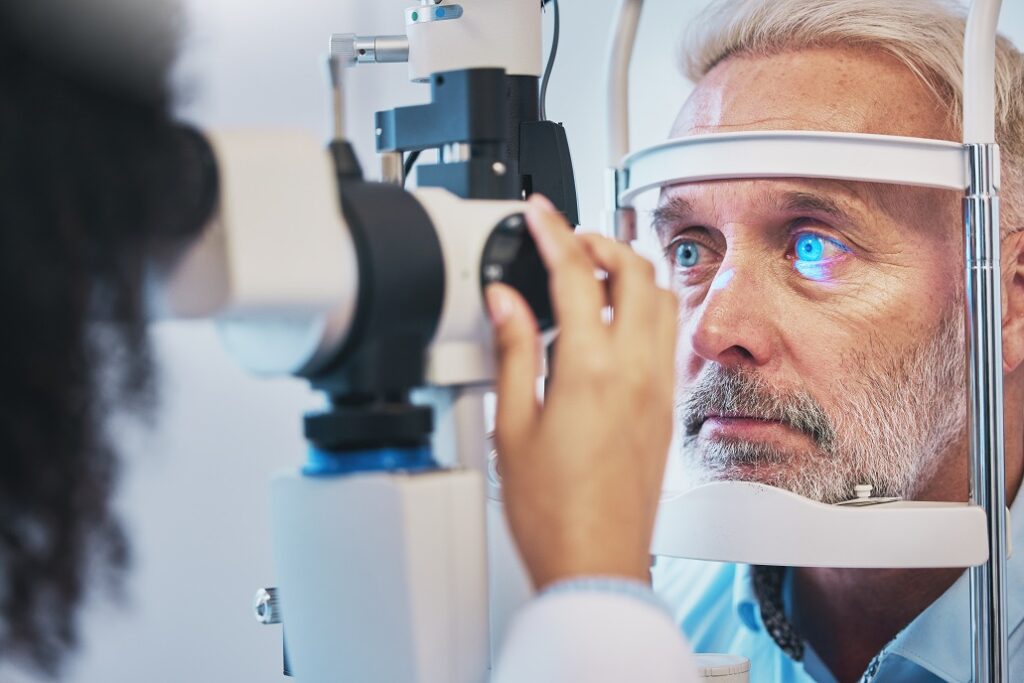
Glaucoma is a chronic condition requiring lifelong monitoring. Regular eye examinations are essential to track progression. Vision preservation is aided by lifestyle choices like blood pressure control, quitting smoking, and eye protection.
Patient education is key. Understanding glaucoma allows individuals to actively participate in their care. Clinics like Lee Vision guide patients through treatment and lifestyle adjustments.
How Often Should You Get Tested?
General recommendations:
-
Ages 40–54: every 2–4 years
-
Ages 55–64: every 1–3 years
-
Ages 65+: every 1–2 years
High-risk individuals may require more frequent testing. Early detection is critical. For professional guidance, visit the American Academy of Ophthalmology.
Advanced Technology for Glaucoma Detection
Modern eye clinics use OCT imaging, digital scanning, and computerized visual field tests to detect glaucoma early. These tools help doctors identify subtle optic nerve changes before vision loss occurs.
Advanced clinics like Lee Vision provide state-of-the-art diagnostics and expert care for long-term eye health. For global standards on glaucoma care, you can refer to the World Health Organization.
FAQs About Glaucoma Eye Test
Q1: What is a glaucoma eye test?
A glaucoma eye test includes multiple exams to check eye pressure, optic nerve health, and peripheral vision to detect glaucoma early.
Q2: Is a glaucoma eye test painful?
No, glaucoma tests are painless and part of a routine eye examination.
Q3: What does glaucoma feel like?
Early glaucoma often has no symptoms; vision loss starts at the edges and progresses slowly.
Q4: Who should get tested?
Adults over 40 and those with a family history of diabetes or high eye pressure should get regular glaucoma tests.
Q5: Can glaucoma be cured?
Glaucoma cannot be cured, but early detection and treatment prevent further vision loss.
Final Thoughts
A glaucoma eye test is the most important step to protect your vision. Because early glaucoma is often silent, regular testing is critical. Clinics like Lee Vision offer professional care, advanced testing, and experienced specialists.
Early detection can preserve sight for life. Make an appointment for your glaucoma eye test at Leevision right now rather than waiting for symptoms.