




Contact Lens Exam: The Complete Guide to Safe, Comfortable, and Clear Vision
Wearing contact lenses can be a life-changing experience, offering freedom from glasses and clearer, more natural vision. However, safe and comfortable contact lens wear begins with a professional contact lens exam. Many people believe that a regular eye exam is enough to start wearing contact lenses, but this is a common misconception. Contact lenses sit directly on the surface of your eye, which means they require specialized testing, fitting, and ongoing evaluation.
At LeeVision, a comprehensive contact lens eye test is designed to protect your eye health while ensuring optimal vision correction. Whether you are new to contact lenses or an experienced wearer, understanding the importance of a contact lens exam is essential for long-term eye safety.
What Is a Contact Lens Exam?
A contact lens exam is a specialized eye examination focused on evaluating whether your eyes are suitable for wearing contact lenses and determining the correct lens type, size, and prescription. Unlike glasses, lenses rest directly on the cornea, making proper fit and oxygen flow critical.
During the evaluation, the eye doctor assesses:
-
Vision and prescription accuracy
-
Corneal shape and curvature
-
Tear film quality and eye moisture
-
Overall eye health
-
Lens comfort and movement
-
Visual acuity and prescription accuracy
-
Corneal curvature and shape
-
Tear film quality and eye moisture levels
-
Eye health, including signs of irritation or infection
-
How trial lenses fit and move on your eyes
At LeeVision, advanced diagnostic technology is used to ensure each patient receives lenses that are both safe and comfortable.
Why a Contact Lens Exam Is Different from a Regular Eye Exam
Many patients ask why a contact lens eye test is needed if they already had a routine eye exam. The difference lies in how contact lenses interact with your eyes.
Regular Eye Exam Focuses On:
-
Glasses prescription
-
Eye diseases such as glaucoma or cataracts
-
Overall vision clarity
Key Areas Evaluated During the Exam
-
Lens fit and positioning
-
Oxygen permeability to the cornea
-
Comfort during blinking and eye movement
-
Lens material suitability
-
Risk factors for dryness or irritation
According to the American Optometric Association, poorly fitted contact lenses can lead to corneal damage, infections, and long-term vision problems.
Who Needs a Contact Lens Treatement?
A contact lens exam is essential if:
-
You are wearing contact lenses for the first time
-
You experience dryness, redness, or discomfort
-
Your vision has changed
-
You want to switch contact lens brands
-
You spend long hours on digital screens
-
You have astigmatism or presbyopia
Even long-time contact lens users need annual exams to ensure their lenses still fit correctly and their eyes remain healthy.
Patients unsure whether contact lenses are right for them can consult the experienced specialists at LeeVision for personalized guidance.
Types of Contact Lenses Evaluated During a Contact Lens Exam
During your contact lens exam, the doctor may recommend different lens types based on your eye shape, prescription, and lifestyle.
Daily Disposable Contact Lenses
-
Single-use lenses
-
Ideal for sensitive or dry eyes
-
Lower risk of infection
Monthly and Bi-Weekly Lenses
-
Cost-effective option
-
Require proper cleaning and storage
-
Suitable for regular wearers
Toric Contact Lenses
-
Designed for astigmatism
-
Require precise fitting and alignment
Multifocal Contact Lenses
-
Correct near and distance vision
-
Ideal for age-related vision changes
Your eye doctor will help you trial lenses to ensure optimal comfort and vision clarity.
Popular Contact Lens Brands and How They Are Chosen
One major part of a contact lens exam is selecting suitable contact lens brands. Not all brands are the same, and choosing the wrong one can cause dryness or irritation.
Popular brands differ in:
-
Lens material
-
Moisture retention
-
Oxygen permeability
-
Wear schedule
As explained by WebMD, wearing the wrong contact lens brand or type can increase the risk of eye infections and discomfort.
Your doctor may allow you to test multiple brands during your exam before finalizing the prescription.
Contact Lens Case: Why Hygiene Matters
Even with professional evaluation, your eyes can be at risk if lens hygiene is poor. Maintaining a clean contact lens case is essential to prevent bacteria buildup and eye infections.
Best Practices for Contact Lens Case Care:
-
Replace the case every 1–3 months
-
Clean daily with fresh contact lens solution
-
Never use tap water
-
Let the case air-dry upside down
The Centers for Disease Control and Prevention (CDC) states that improper lens case care is one of the leading causes of contact lens–related eye infections.
What Happens During a Contact Lens Exam Appointment
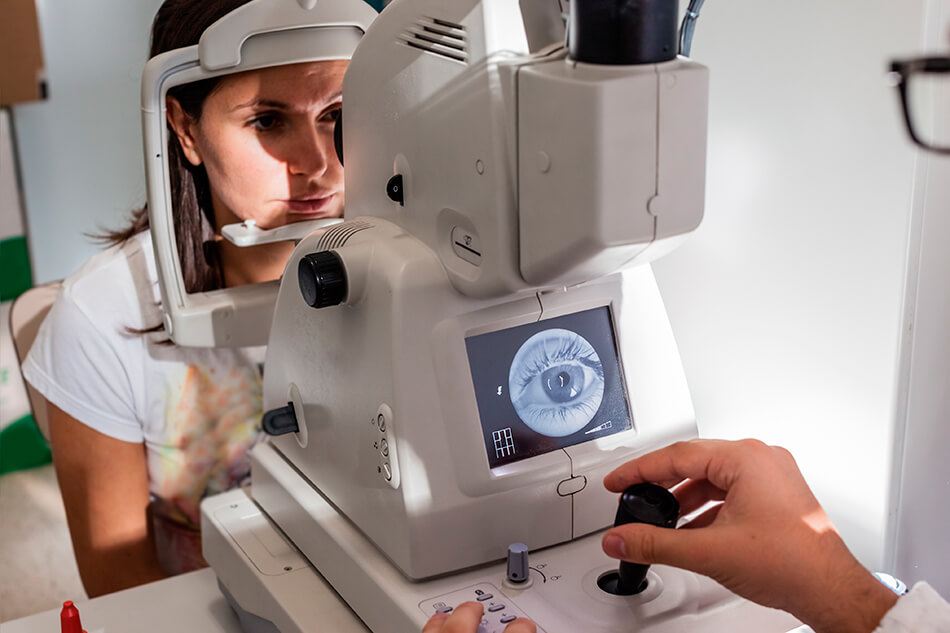
A typical contact lens exam lasts 30–45 minutes and includes:
-
Review of medical and eye history
-
Vision and refraction testing
-
Corneal measurements
-
Tear film evaluation
-
Trial lens fitting
-
Comfort and movement assessment
-
Education on lens care and handling
At LeeVision, patients receive clear instructions on lens wear, cleaning routines, and follow-up visits.
Benefits of a Professional Contact Lens Exam
A professional contact lens exam helps to:
-
Improve vision clarity
-
Prevent eye infections
-
Reduce dryness and irritation
-
Ensure correct lens fit
-
Enhance long-term eye health
Skipping this exam and ordering lenses online without guidance can result in serious eye complications.
Recommended Frequency for Lens Check-Ups
Most eye care professionals recommend:
-
Once a year for contact lens wearers
-
More frequent exams if you experience discomfort or vision changes
Regular exams allow early detection of potential problems and ensure your prescription remains accurate.
Problems from Skipping Lens Evaluations
Without a proper exam, patients may experience:
-
Red or irritated eyes
-
Blurred vision
-
Chronic dryness
-
Corneal abrasions
-
Eye infections
These issues can often be avoided with regular professional care.
Frequently Asked Questions
Is a contact lens exam painful?
No. The procedure is completely non-invasive and comfortable for most patients.
Can I use my glasses prescription for contact lenses?
No. Contact lenses require a separate prescription and professional fitting.
How long does the appointment take?
Usually 30–45 minutes, depending on individual eye needs.
Can children get contact lens exams?
Yes. Children can be evaluated with proper supervision and guidance.
Do I need a follow-up after my exam?
Sometimes, especially for first-time wearers or prescription adjustments.
Conclusion
A professional contact lens exam is the foundation of safe, comfortable, and effective contact lens wear. From selecting the right contact lens brands to ensuring proper lens case hygiene, this specialized exam protects your eye health and enhances your vision quality.
If you are considering contact lenses or need an updated fitting, schedule your appointment with LeeVision today and experience expert, patient-focused eye care you can trust.