






Contact Lenses Multifocal: Complete Guide to Types, Benefits, and Care
Keyword: contact lenses multifocal
Multifocal contact lenses are an innovative solution for people who need clear vision at multiple distances. If you struggle with reading, computer work, or driving, multifocal lenses can provide comfort, clarity, and freedom from glasses. In this guide, we’ll explore contact lenses multifocal, their types, benefits, care instructions, and why choosing the right provider like Leevision Multifocal Contact Lenses is crucial.
What Are Multifocal Contact Lenses?
Keyword: what are multifocal contact lenses
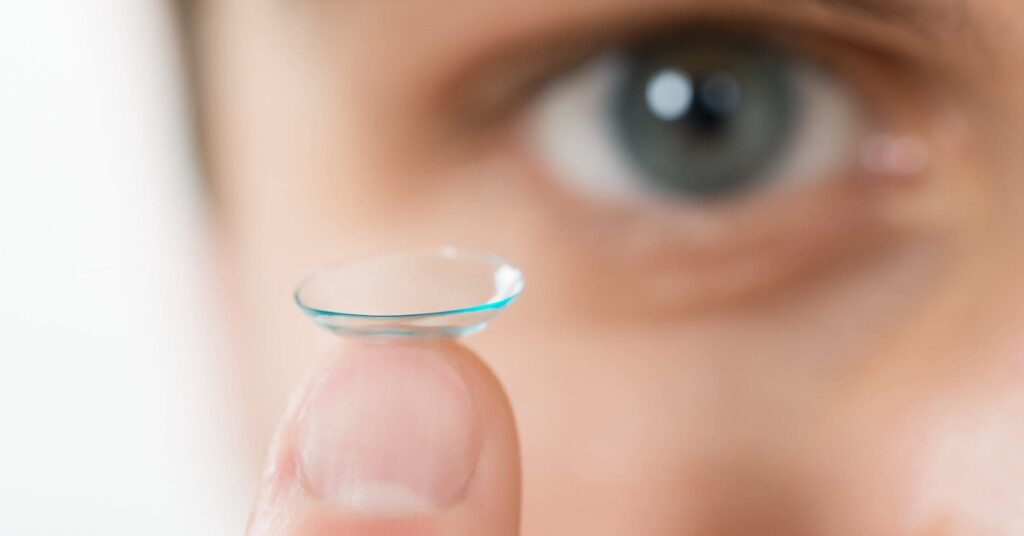
Multifocal contact lenses are specially designed lenses that correct vision at multiple distances—near, intermediate, and far. Unlike single-vision lenses, which only correct one type of vision problem, multifocal lenses allow your eyes to focus naturally without constantly switching between reading glasses and distance glasses.
Ideal For:
-
People with presbyopia (age-related near vision loss)
-
Individuals who want to reduce dependency on reading glasses
-
Those seeking clear vision at all distances
How They Work:
Multifocal lenses have zones of varying power that let your eyes seamlessly adjust for near and far objects. Advanced designs also reduce ghosting or blurry vision, making them more comfortable than older bifocal contact lenses.
Learn more about multifocal lenses on WebMD for detailed patient information.
Types of Multifocal Contact Lenses
Keyword: contact lenses multifocal
Multifocal contact lenses come in several types to suit different vision needs:
1. Soft Multifocal Lenses
Soft lenses are flexible, comfortable, and suitable for daily wear. They are ideal for first-time users or people with mild vision correction needs.
2. Rigid Gas Permeable (RGP) Multifocal Lenses
RGP lenses provide sharper vision and better durability. They are suitable for patients with complex prescriptions or high astigmatism.
3. Multifocal Toric Contact Lenses
Keyword: multifocal toric contact lenses
These lenses are designed for people who have both presbyopia and astigmatism. They combine multifocal and toric corrections, providing clear vision at all distances without compromising comfort.
4. Extended Wear Lenses
Some multifocal lenses can be worn continuously under professional supervision, making them convenient for patients who prefer minimal handling.
More scientific details about lens types can be found on Mayo Clinic.
Benefits of Multifocal Contact Lenses
Keyword: best multifocal contact lenses
Multifocal contact lenses offer numerous advantages over traditional single-vision lenses or reading glasses:
-
Clear Vision at All Distances: Near, intermediate, and far objects appear sharp and focused.
-
Reduced Dependency on Glasses: No need to constantly switch between multiple pairs of glasses.
-
Comfort and Convenience: Modern lens materials allow oxygen flow and reduce dryness.
-
Improved Quality of Life: Enjoy activities like reading, driving, and using digital devices with ease.
-
Customized Fit: Lenses can be tailored for each patient’s unique vision needs.
Check American Optometric Association for more professional insights on multifocal lenses.
How to Choose the Best Multifocal Contact Lenses
When selecting multifocal contact lenses, consider the following:
-
Comfort: Soft lenses usually offer more comfort than rigid lenses.
-
Prescription Strength: Ensure your lens prescription matches your near, intermediate, and far vision requirements.
-
Lens Material: Choose breathable, hydrating materials to reduce dryness.
-
Professional Guidance: Always consult an eye care professional like Leevision for proper fitting.
-
Reviews and Recommendations: Check patient experiences and brand reputation for reliability.
Popular Brands:
-
Acuvue Oasys for Presbyopia
-
Biofinity Multifocal
-
Air Optix Aqua Multifocal
Multifocal Toric Contact Lenses
Keyword: multifocal toric contact lenses
For patients with astigmatism and presbyopia, multifocal toric lenses provide a combined solution. These lenses correct distance and near vision while also addressing the irregular shape of the cornea caused by astigmatism.
Advantages:
-
Corrects multiple vision issues in one lens
-
Reduces eye strain and blurry vision
-
Offers a seamless transition between near and far objects
How to Care for Multifocal Lenses
Proper care ensures longevity, comfort, and eye health:
-
Clean Lenses Daily: Use the recommended solution to remove deposits and debris.
-
Follow Wear Schedule: Do not exceed daily, bi-weekly, or monthly wear limits.
-
Use a Clean Lens Case: Replace every 3 months to prevent infection.
-
Regular Eye Checkups: Schedule visits with your eye specialist to ensure lenses are fitting properly.
Who Should Consider Multifocal Lenses?
-
Adults with presbyopia or age-related near vision problems
-
People who want to reduce dependency on reading glasses
-
Individuals with astigmatism (choose toric multifocal lenses)
-
Patients seeking a modern, comfortable vision solution
Recovery and Adjustment
Adapting to multifocal lenses may take a few days to a few weeks:
-
Some initial blurring is normal as your brain adjusts to multiple focal points
-
Start by wearing lenses for a few hours daily, gradually increasing duration
-
Consult your optometrist if you experience discomfort or persistent blurry vision
Common FAQs
Q1: Can I wear multifocal lenses all day?
Yes, if they are designed for daily wear. Always follow your optometrist’s instructions.
Q2: Are they suitable for first-time lens users?
Yes, especially soft multifocal lenses are beginner-friendly.
Q3: Do multifocal lenses cause eye strain?
A short adjustment period is normal. Proper fitting prevents long-term eye strain.
Q4: How often should I replace my multifocal lenses?
Depends on lens type: daily, bi-weekly, or monthly. Consult your eye care provider.
Q5: Can I switch from glasses to contact lenses multifocal easily?
Yes, most people can switch from glasses to contact lenses multifocal. Your optometrist will guide you in choosing the right lens type and power to ensure smooth adaptation.
Q6: Are the best multifocal contact lenses suitable for all ages?
The best multifocal contact lenses are generally recommended for adults experiencing presbyopia, usually starting around age 40. Younger individuals with specific vision needs may also benefit under professional guidance.
Q7: How long does it take to get used to multifocal toric contact lenses?
Adjustment time varies, but most people adapt within a few days to two weeks. Initial mild blurriness is normal while your brain adjusts to the different focal zones in multifocal toric contact lenses.
Q8: Can I wear makeup with what are multifocal contact lenses?
Yes, but always insert lenses before applying makeup. Avoid oil-based cosmetics near the eyes, and remove lenses before using heavy creams or mascaras. This is important when using what are multifocal contact lenses to prevent irritation.
Why Choose Leevision for Multifocal Lenses
Leevision is a premier eye care center in New York, offering advanced multifocal lens solutions with personalized care. Their experienced ophthalmologists ensure proper fitting, ongoing support, and follow-ups for the best visual outcomes.
Leevision Advantages:
-
Expert eye care with over 20 years of experience
-
State-of-the-art lens technology
-
Comprehensive eye exams and personalized consultations
-
Comfortable and safe fitting process
Conclusion
Contact lenses multifocal are an effective solution for people who want clear vision at all distances. By choosing the best multifocal contact lenses and maintaining proper care, you can enjoy freedom from glasses, improved quality of life, and comfortable vision. For the best results, consult experts at Leevision Multifocal Contact Lenses to find the perfect lenses for your eyes.