




Laser Vision Correction: Complete Guide to Clear Vision
Introduction
Laser vision correction has revolutionized eye care, allowing millions of people worldwide to achieve clear vision without relying on glasses or contact lenses. With advanced laser technologies like LASIK, PRK, and SMILE, patients can correct nearsightedness, farsightedness, and astigmatism with minimal downtime and excellent results. Whether you’re considering your first consultation or seeking alternatives to glasses, laser vision correction offers a safe, effective, and permanent solution.
For more details about laser vision correction and to book an appointment, visit Lee Vision.
What is Laser Vision Correction?
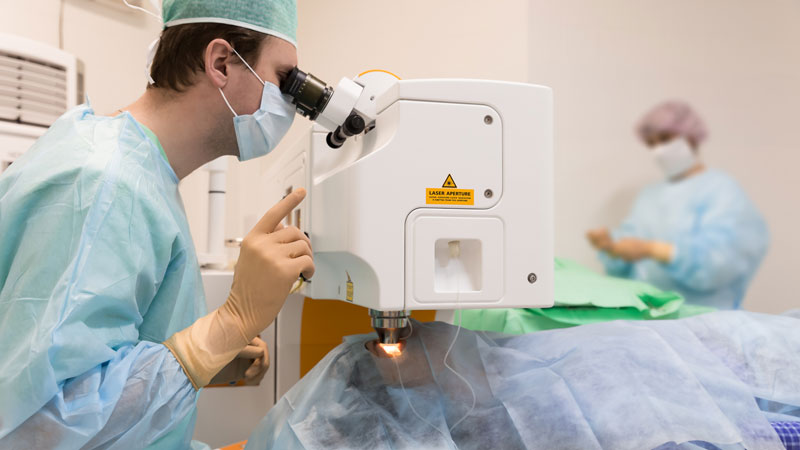
Laser vision correction, sometimes called eye laser vision correction, is a surgical procedure where specialized lasers reshape the cornea to correct refractive errors. By adjusting the cornea’s curvature, the eye can properly focus light on the retina, resulting in clearer vision.
Modern laser vision correction is precise, quick, and safe. According to the American Academy of Ophthalmology, millions of procedures have been performed successfully worldwide, helping patients achieve 20/20 vision or better.
Laser vision correction not only improves vision but also reduces dependency on corrective lenses, enhances quality of life, and increases confidence in daily activities.
Types of Laser Vision Correction
There are several types of laser vision correction procedures, each suited for different eye conditions and patient needs.
1. LASIK (Laser-Assisted In Situ Keratomileusis)
LASIK is the most commonly performed laser procedure worldwide. During LASIK, a thin flap is created in the cornea, which is lifted to allow the laser to reshape the underlying tissue.
Benefits of LASIK:
-
Quick procedure (usually under 30 minutes)
-
Fast recovery; most patients resume daily activities within 1–2 days
-
Minimal discomfort
Ideal Candidates: Patients with mild to moderate nearsightedness, farsightedness, or astigmatism.
2. PRK (Photorefractive Keratectomy)
PRK is an alternative for patients with thinner corneas or other eye conditions that make LASIK unsuitable. Instead of creating a flap, the outer corneal layer is removed, and the laser reshapes the underlying tissue.
Benefits of PRK:
-
Suitable for patients with thin corneas
-
Excellent long-term vision results
-
Lower risk of flap-related complications
Recovery: Slightly longer than LASIK, usually 4–7 days for clear vision, but final results are similar.
3. SMILE (Small Incision Lenticule Extraction)
SMILE is the newest laser vision correction procedure. A small lens-shaped piece of corneal tissue is removed through a tiny incision, reshaping the cornea without creating a flap.
Benefits of SMILE:
-
Minimally invasive
-
Less risk of dry eyes compared to LASIK
-
Quick healing and reduced discomfort
Ideal Candidates: Patients with nearsightedness and mild astigmatism.
Who is a Good Candidate for Laser Vision Correction?
Laser vision correction is safe for many people, but not everyone qualifies. Ideal candidates typically:
-
Are over 18 years old
-
Have stable vision prescriptions for at least one year
-
Do not have severe eye diseases (glaucoma, cataracts, corneal dystrophies)
-
Do not have uncontrolled diabetes or autoimmune conditions
-
Understand the risks, benefits, and recovery process
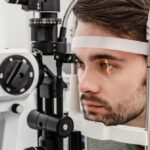
Tip: Schedule a comprehensive eye exam to determine your eligibility. Book your consultation at Lee Vision.
How Much is Laser Vision Correction?
How much is laser vision correction is one of the most frequently asked questions. Costs vary depending on procedure type, technology used, surgeon expertise, and location.
Average Costs:
-
LASIK: $2,000–$4,000 per eye
-
PRK: $1,800–$3,500 per eye
-
SMILE: $2,500–$4,500 per eye
Additional factors include pre-operative tests, post-operative care, and geographic location. Some clinics offer financing options or package deals for both eyes.
Tip: Don’t base your decision solely on cost; the surgeon’s experience and technology quality are crucial for optimal results.
Benefits of Laser Vision Correction
1. Clearer Vision
Most patients achieve 20/20 vision or better, reducing dependence on glasses or contact lenses.
2. Long-Term Results
Laser vision correction is usually permanent. Minor adjustments may be needed over time, but most patients maintain excellent vision for years.
3. Quick Recovery
Recovery time varies by procedure, but many patients return to normal activities within days.
4. Enhanced Lifestyle
Freedom from glasses improves comfort in sports, driving, and daily activities.
Risks and Considerations
While generally safe, laser vision correction carries potential risks:
-
Temporary dry eyes
-
Mild discomfort or blurred vision during recovery
-
Rare complications: infection, under/over-correction, or visual disturbances
Consulting a professional ophthalmologist minimizes risks. For safety guidelines, see the American Academy of Ophthalmology.
Preparing for Laser Vision Correction
Proper preparation ensures the best outcomes:
-
Stop wearing contact lenses for the recommended period before surgery
-
Follow pre-operative instructions provided by your surgeon
-
Arrange transportation on the day of surgery
-
Ask questions about procedure expectations and recovery
Visit Lee Vision for detailed preparation instructions and to book your appointment.
Post-Surgery Care and Recovery
Post-surgery care is essential for optimal results:
-
Avoid rubbing your eyes
-
Use prescribed eye drops to prevent dryness and infection
-
Attend follow-up appointments
-
Expect mild discomfort and fluctuating vision during the first days
With proper care, most patients experience rapid recovery and excellent vision improvement.
Laser Vision Correction for Special Groups
1. Athletes
Laser vision correction is popular among athletes as it eliminates the need for glasses or contacts during sports.
2. Professionals
Pilots, drivers, and those in visually demanding jobs benefit from improved vision without corrective lenses.
3. Seniors
Even older adults may benefit from laser vision correction, though cataracts or other age-related eye conditions may require alternative procedures.
Frequently Asked Questions (FAQs)
Q1: Is laser vision correction painful?
A1: Most patients feel minimal discomfort during the procedure. Numbing eye drops ensure pain-free surgery.
Q2: How long does the procedure take?
A2: Typically 15–30 minutes for both eyes, depending on the procedure type.
Q3: Can laser vision correction treat astigmatism?
A3: Yes, LASIK, PRK, and SMILE can correct mild to moderate astigmatism.
Q4: How soon can I drive after surgery?
A4: Most patients can drive within 24–48 hours if vision is clear.
Q5: Will my vision regress over time?
A5: Most patients experience permanent results. Minor adjustments may occasionally be needed.
Conclusion
Laser vision correction is a safe, effective, and transformative procedure that can help you achieve clear vision and independence from glasses or contact lenses. With options like LASIK, PRK, and SMILE, you can choose the best procedure based on your eye condition, lifestyle, and preferences.
Consult a qualified ophthalmologist to discuss your eligibility and treatment options. Book your consultation today at Lee Vision and start your journey toward perfect vision.