





Glaucoma Specialist NYC: Protect Your Vision with Expert Care
Glaucoma is one of the leading causes of vision loss worldwide, and many people don’t realize they might have it until it’s too late. In New York City, finding a trusted glaucoma specialist NYC can make all the difference in protecting your eyesight. With proper diagnosis, treatment, and follow-up care, it’s possible to manage glaucoma effectively and maintain a good quality of life.
In this comprehensive guide, we’ll cover everything you need to know about glaucoma—from causes and symptoms to treatments, lifestyle tips, and choosing the right specialist in NYC. We’ll also provide FAQs and reliable resources to help you make informed decisions.
Understanding Glaucoma: Causes and Types
Glaucoma isn’t just one disease—it’s a group of eye conditions that damage the optic nerve, which is essential for clear vision. The damage is often caused by high intraocular pressure, though glaucoma can also occur with normal eye pressure.
Types of Glaucoma
- Open-angle glaucoma: The most common form. It develops gradually, often without noticeable symptoms in the early stages.
- Angle-closure glaucoma: Less common, but more sudden. It can cause rapid vision loss and eye pain.
- Congenital glaucoma: Present at birth, often due to abnormal eye development.
- Secondary glaucoma: Develops as a result of another condition such as cataracts, eye injuries, or certain medications.
Early detection is crucial. Frequent eye exams can help prevent severe vision loss, particularly if you have risk factors like diabetes, high blood pressure, or a family history of glaucoma. For more details on glaucoma, you can visit the American Academy of Ophthalmology.
Symptoms of Glaucoma
One of the challenges with glaucoma is that it often shows few symptoms until significant damage has occurred. Some signs to watch for include:
- Gradual loss of peripheral vision
- Blurred vision or difficulty focusing
- Seeing halos around lights
- Eye pain or pressure
- Redness in the eye
- Headaches, especially with acute angle-closure glaucoma
If you notice any of these symptoms, consulting a glaucoma specialist NYC immediately can prevent permanent vision loss. Early intervention is key.
Why Seeing a Glaucoma Specialist Matters
Not all eye doctors are equally equipped to manage glaucoma. While optometrists can conduct routine eye exams, a glaucoma specialist NYC has advanced training in diagnosing and treating this complex disease. Here’s why specialist care is important:
- Accurate diagnosis using advanced imaging tools
- Personalized treatment plans based on the type and stage of glaucoma
- Access to the latest therapies, including laser procedures
- Regular monitoring to prevent progression
Meet our experienced specialists on our doctor profiles page to find the right provider for you.
Glaucoma Diagnosis: Eye Exams You Need
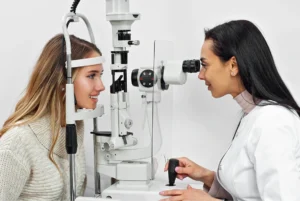
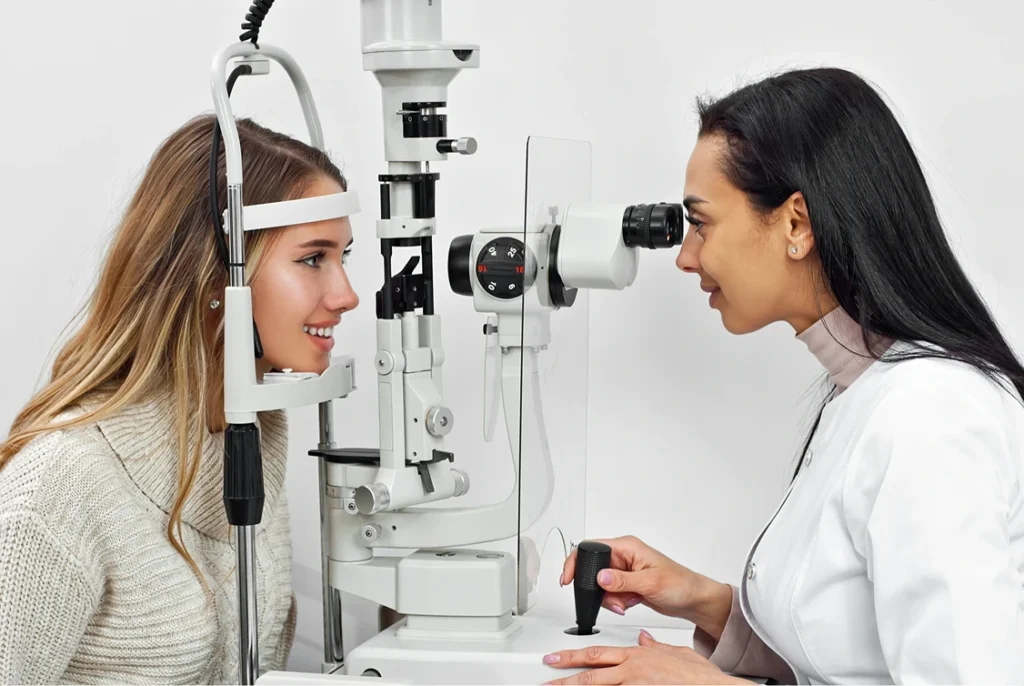
Diagnosis typically involves a combination of tests to evaluate eye pressure, optic nerve health, and visual fields. Common tests include:
- Tonometry: Measures intraocular pressure
- Ophthalmoscopy: Examines the optic nerve
- Perimetry: Tests peripheral vision
- Optical Coherence Tomography (OCT): Detailed scans of retinal layers
Regular comprehensive exams are crucial, particularly if you are over 40, have a family history of glaucoma, or have other risk factors. For detailed guidance on glaucoma testing, visit the Mayo Clinic Glaucoma Page.
Treatment Options for Glaucoma
Glaucoma treatment aims to lower eye pressure and prevent further optic nerve damage. The best approach depends on the type and severity of glaucoma.
1. Medications
Prescription eye drops are the first line of treatment for many patients. They work by either reducing fluid production in the eye or increasing fluid drainage. Some common medications include prostaglandin analogs, beta-blockers, and alpha agonists. Consistency is crucial—skipping doses can reduce effectiveness.
2. Laser Treatments
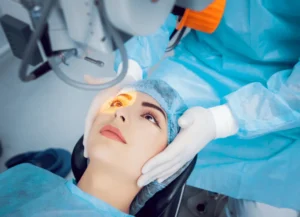
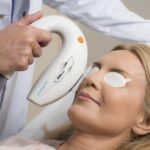
When medications alone are not sufficient to control eye pressure, laser eye surgery for glaucoma is a highly effective option. This type of treatment uses precise laser technology to improve fluid drainage within the eye, which helps lower intraocular pressure and slow the progression of glaucoma. Laser procedures are minimally invasive and typically require little downtime, making them a preferred choice for many patients.
Common laser procedures include:
- Laser trabeculoplasty: This procedure is used mainly for open-angle glaucoma. The laser is applied to the drainage meshwork of the eye, helping to open the channels and allow fluid to flow more freely. By improving drainage, laser eye surgery for glaucoma can reduce the risk of optic nerve damage and preserve vision over the long term.
- Laser iridotomy: Often used for angle-closure glaucoma, this procedure creates a small opening in the iris to relieve pressure buildup. Laser eye surgery for glaucoma in this form can prevent sudden spikes in eye pressure, which can cause severe vision loss if left untreated.
In addition to lowering eye pressure, laser eye surgery for glaucoma can sometimes reduce the need for multiple medications, making daily management easier for patients. It is important to note that while laser treatments are highly effective, regular follow-up with a glaucoma specialist NYC is essential to monitor eye health and ensure long-term success.
Overall, laser eye surgery for glaucoma provides a safe, efficient, and minimally invasive solution for patients struggling with uncontrolled glaucoma, helping them maintain their vision and quality of life.
3. Surgical Procedures
In more advanced cases, surgery may be recommended to create new drainage pathways or implant devices to reduce eye pressure. Common surgeries include trabeculectomy and drainage implants. Post-surgery monitoring by a glaucoma specialist NYC ensures optimal recovery.
Learn more about our treatment options on our glaucoma treatments page. Additional resources are available at the National Eye Institute.
Lifestyle and Prevention Tips
While medical care is essential, lifestyle adjustments can also support eye health and complement glaucoma treatment:
- Maintain a diet rich in leafy greens, fruits, and omega-3 fatty acids.
- Exercise regularly to maintain healthy blood pressure.
- Avoid smoking and limit alcohol intake.
- Protect your eyes from excessive sunlight with UV-blocking sunglasses.
- Schedule routine eye exams to catch any changes early.
Choosing the Right Glaucoma Specialist in NYC
Selecting the right specialist can feel overwhelming, but keep these tips in mind:
- Check credentials and board certifications
- Look for specialists with experience in both medications and surgical treatments
- Read patient reviews and testimonials
- Ensure the clinic has modern diagnostic equipment
A trusted specialist ensures personalized care, reducing stress and improving outcomes. Book your consultation with a glaucoma specialist NYC today.
FAQs About Glaucoma
1. How often should I get my eyes checked for glaucoma?
Adults over 40 should have a comprehensive eye exam every 1-2 years, or more often if they have risk factors. See our services page for available exams.
2. Can glaucoma be cured completely?
While there is no complete cure, early detection and consistent treatment can effectively prevent significant vision loss.
3. What is the recovery time after laser eye surgery?
Most patients recover within a few days, but follow-up visits are essential to ensure eye pressure remains stable.
4. Are there side effects of glaucoma medications?
Some patients experience eye irritation, redness, or temporary blurred vision. Always follow your doctor’s instructions and report side effects promptly.
5. How can I manage glaucoma long-term?
Long-term management includes regular monitoring, strict adherence to medications, healthy lifestyle choices, and consistent follow-ups with a glaucoma specialist NYC.
Conclusion
Glaucoma is a serious but manageable condition. With early detection, proper treatment, and lifestyle adjustments, you can protect your vision and maintain your quality of life. A qualified glaucoma specialist in NYC can guide you through diagnosis, treatment, and ongoing care, giving you confidence and peace of mind. Don’t wait—schedule your consultation today and take the first step towards preserving your vision for years to come.