






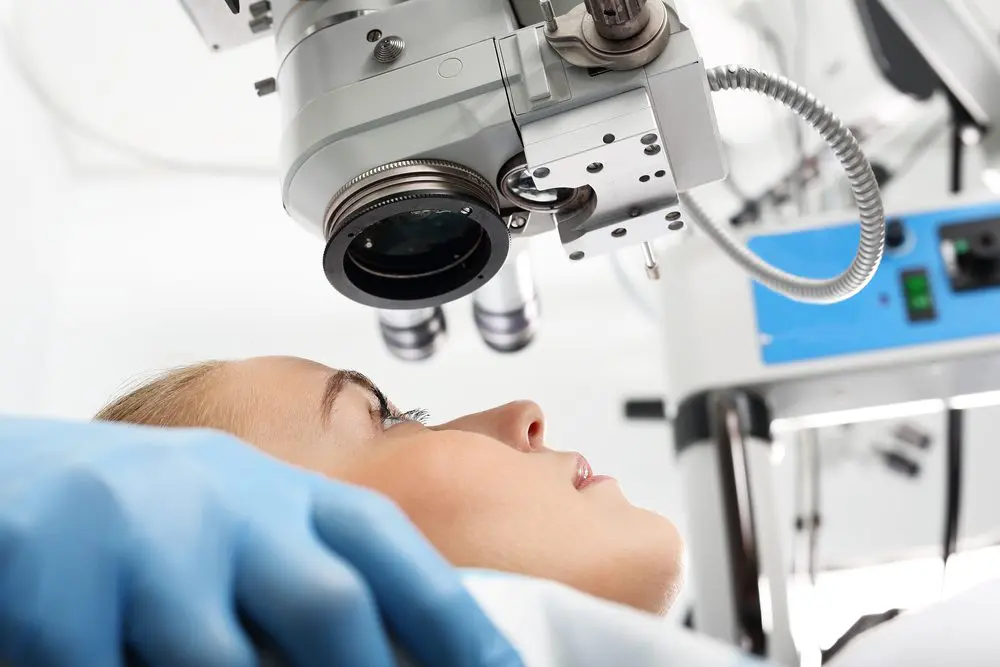
Astigmatism is a common eye condition that causes blurred or distorted vision due to an irregularly shaped cornea. If you’re wondering, “Can LASIK fix astigmatism?”—the answer is generally yes for many patients. LASIK astigmatism has helped millions improve their vision without glasses or contact lenses.
In this detailed, medically accurate guide, we’ll explore everything from how LASIK works for astigmatism, candidacy, expected outcomes, risks, and recovery to frequently asked questions to help you make an informed decision.
What Is Astigmatism?
Astigmatism is an imperfection in the curvature of the eye’s cornea or lens. Instead of being perfectly round, the eye is shaped more like a football. This irregular shape prevents light from focusing properly on the retina, causing:
- Blurred vision at all distances
- Eye strain and headaches
- Difficulty driving at night
Astigmatism often occurs with nearsightedness (myopia) or farsightedness (hyperopia). Fortunately, modern vision correction options like LASIK can correct this condition for many people.
How Does LASIK Work for Astigmatism?
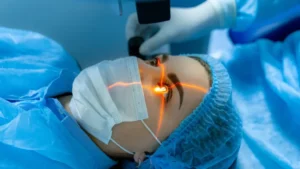
LASIK for astigmatism involves reshaping the cornea so that light enters the eye and focuses correctly on the retina. The LASIK procedure uses a precision laser to remove microscopic amounts of corneal tissue.
The primary goal is to make the cornea more spherical, correcting the irregular curvature that causes astigmatism.
Step‑by‑Step Overview of LASIK Surgery
- Evaluation: A comprehensive eye exam measures corneal thickness, shape, and prescription.
- Anesthesia: Numbing eye drops are applied for comfort.
- Flap Creation: A thin flap is created on the cornea using a femtosecond laser.
- Laser Reshaping: An excimer laser reshapes the corneal tissue to correct astigmatism.
- Flap Repositioning: The corneal flap is placed back without stitches.
The entire procedure typically takes under 15 minutes per eye, and most patients experience minimal discomfort.
Can You Get LASIK With Astigmatism?
A common question we hear is, “Can you get LASIK with astigmatism?” The answer is yes for many patients. However, candidacy depends on several factors:
- Severity of astigmatism
- Corneal thickness
- Overall eye health
- Stable prescription over time
Your ophthalmologist at Lee Vision Consultation will perform detailed tests to determine whether LASIK is a suitable option.
Does LASIK Fix Astigmatism Effectively?
The question “Does LASIK fix astigmatism?” is answered with a strong “yes” for most eligible patients. Clinical studies and patient outcomes show high satisfaction rates when LASIK is performed by experienced surgeons. According to the American Academy of Ophthalmology, LASIK is one of the most successful refractive surgeries available. American Academy of Ophthalmology.
Most patients achieve 20/20 vision or better after surgery, though individual results may vary.
Benefits of LASIK for Astigmatism
There are many benefits to choosing LASIK if you have astigmatism:
- Reduced dependence on glasses or contacts
- Quick visual recovery
- Painless procedure
- Long‑lasting vision correction
Most LASIK patients notice improved vision within 24–48 hours after the procedure.
Candidacy Criteria for LASIK with Astigmatism
Not everyone with astigmatism is a candidate for LASIK. Ideal candidates typically meet the following criteria:
- Age 18 or older
- Stable prescription for at least one year
- No significant corneal disease (e.g., keratoconus)
- Healthy tear film (no severe dry eye)
- Sufficient corneal thickness
If you’re unsure whether you qualify, schedule your appointment with Lee Vision Eye Exam to get precise measurements and professional guidance.
LASIK vs Other Astigmatism Treatments
There are multiple ways to manage astigmatism:
| Treatment | Benefits | Considerations |
|---|---|---|
| Glasses | Noninvasive | Must wear all the time |
| Contact Lenses | Improved vision without glasses | Daily care and maintenance |
| LASIK | Long‑term correction, minimal downtime | Not suitable for all patients |
| PRK (Photorefractive Keratectomy) | Good for thin corneas | Longer visual recovery |
Your surgeon can help you decide which option is best based on your eye goals and anatomy.
Preparing for LASIK Surgery
Once approved for surgery, preparation includes:
- Avoiding contact lenses for a few days before the exam
- Arranging a ride to and from the surgery
- Following pre-op instructions from your surgeon
Proper preparation ensures accurate measurements and the safest outcome.
What to Expect During LASIK Surgery
Most LASIK procedures follow this experience:
- The surgeon numbs your eyes with drops
- You’ll be awake but relaxed
- You may feel slight pressure during flap creation
- The laser reshaping takes only seconds
Your vision will gradually improve soon after you rest following the procedure.
Recovery After LASIK for Astigmatism
Recovery from LASIK astigmatism correction is typically quick. Most patients return to normal activities within a day or two. Tips for a smooth recovery include:
- Using prescribed eye drops
- Avoiding rubbing your eyes
- Avoiding swimming and eye makeup for a short period
It’s normal to have slight dry eye or mild glare early in the healing process.
Risks and Side Effects
While LASIK is generally safe, like all surgeries, it carries potential risks:
- Dry eyes
- Glare, halos, or double vision
- Undercorrection or overcorrection
- Rare need for enhancement surgery
Speak frankly with your surgeon at Lee Vision Expert Surgeons about risks and expectations.
Cost of LASIK for Astigmatism
The cost of LASIK varies by location and technology used. Many clinics offer financing options to make the procedure more accessible. When evaluating cost, consider:
- Surgeon experience
- Laser technology (e.g., wavefront‑guided)
- Follow‑up care included
Investing in eye health can significantly improve quality of life.
Long‑Term Results and Vision Stability
Most patients experience stable vision for many years after surgery. However, natural changes like presbyopia (age‑related reading changes) may occur later in life. Regular eye exams help monitor your visual health.
Success Rates for LASIK in Astigmatism Correction
According to studies and patient data, LASIK provides:
- 90%+ achieve 20/20 vision or better
- High satisfaction rates
- Significant reduction in astigmatism
The likelihood of success increases with experienced surgeons and advanced laser systems. External trusted source: WebMD – LASIK Overview.
Patient Testimonials and Experience
Many patients describe their LASIK experience as life‑changing, citing:
- Sharper vision
- Freedom from glasses
- Quick recovery
Every patient’s journey is unique, and our team at Lee Vision guides you every step of the way.
Frequently Asked Questions (FAQ)
1. Can LASIK fix severe astigmatism?
Many cases of moderate to severe astigmatism can be corrected with LASIK. However, candidacy depends on corneal thickness and overall eye condition.
2. Does LASIK completely eliminate the need for glasses?
While many patients no longer need glasses after LASIK, some may still require them for specific tasks like reading or night driving.
3. Is LASIK for astigmatism painful?
No. You receive numb drops, and most patients feel only mild pressure during the procedure.
4. What is enhancement LASIK?
An enhancement is a follow‑up procedure that may be recommended if your vision needs slight adjustments after the initial LASIK.
5. How long does LASIK last?
LASIK results are long‑lasting for most patients, though age‑related changes to near vision can still occur over time.
Conclusion: Is LASIK for Astigmatism Right for You?
If you’re wondering whether LASIK for astigmatism is a good option, the answer is promising for many individuals seeking clearer, glasses‑free vision. LASIK has a strong track record of safety and effectiveness in correcting astigmatism. Consulting with an experienced surgeon helps determine your personal candidacy and the best path forward.
Take the first step toward better vision—book your consultation today with our expert team at Lee Vision and see if LASIK can help you live with sharper, clearer sight.