






Multifocal IOL: A Complete Guide to Multifocal IOL Lenses, Cataract Surgery, and Vision Improvement
Multifocal IOL technology has transformed modern cataract and refractive surgery by offering patients a way to see clearly at multiple distances without relying heavily on glasses. As more people choose premium lenses for long-term clarity, multifocal IOL, multifocal IOL lenses, and multifocal IOL cataract surgery have become some of the most searched medical topics worldwide.
This in-depth guide explains how multifocal intraocular lenses work, who qualifies, expected results, recovery, risks, comparison with other lens types, and real-world improvements patients can expect.
This blog maintains a clinical, educational tone consistent with medical guidelines, making it suitable for professionals, patients, and SEO requirements alike.
1. What Is a Multifocal IOL?
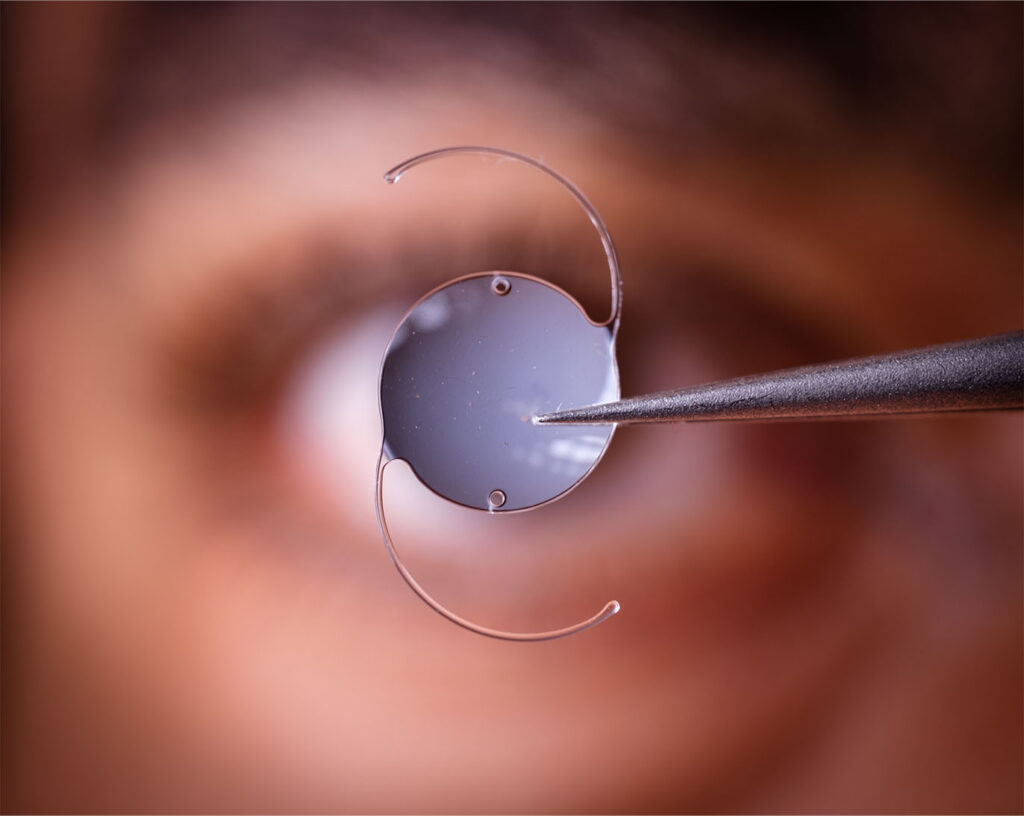
A Multifocal IOL (Intraocular Lens) is an advanced artificial lens implanted in the eye after removing the natural cloudy lens during cataract surgery. Unlike traditional monofocal lenses that correct vision at only one distance, multifocal IOLs contain multiple focal points, allowing you to see:
• Near
• Intermediate
• Distance
This makes them ideal for people who want more visual independence from glasses.
Your internal resource for more information:Leevision Guides
2. How Multifocal IOL Lenses Work
Multifocal IOL lenses use refractive or diffractive optical zones to distribute light into different focal points. This enables the brain and eye to work together to select the right focus depending on where you look. The design allows seamless transition from reading a book to driving without switching glasses.
Key benefits include:
• Improved quality of life
• Reduced dependence on spectacles
• Better functional vision for everyday tasks
https://www.aao.org/eye-health (American Academy of Ophthalmology – Patient Education)
3. What Is Multifocal IOL Cataract Surgery?

Multifocal IOL cataract surgery is the same as standard cataract surgery, with one main difference:
The surgeon implants a premium multifocal intraocular lens instead of a standard monofocal IOL.
Basic steps:
-
Eye is numbed with anesthetic drops
-
Cloudy natural lens is removed with phacoemulsification
-
Multifocal IOL is inserted
-
Incision seals naturally (often no stitches needed)
The entire process typically takes 10–15 minutes per eye.
4. Types of Multifocal IOL Lenses
Different technologies serve different lifestyle needs. The most common types include:
4.1 Diffractive Multifocal IOLs
Use microscopic rings to distribute light for multiple distances. Good for reading and far vision.
4.2 Refractive Multifocal IOLs
Use concentric zones with varying power. Best for distance and intermediate tasks.
4.3 Extended Depth of Focus (EDOF) Lenses
Although not true multifocal lenses, EDOF lenses increase vision range with fewer halos.
4.4 Hybrid Multifocal IOLs
Combine elements of refractive and diffractive designs for balanced results.
5. Who Is a Good Candidate for Multifocal IOL?
Multifocal IOL may be ideal for individuals who:
• Have cataracts affecting daily activities
• Want freedom from reading or distance glasses
• Have healthy retina and cornea
• Have realistic expectations
• Are motivated to adapt to a premium lens
Not suitable for:
• Severe dry eye
• Corneal irregularities
• Advanced glaucoma
• Macular degeneration
Your ophthalmologist evaluates your full visual system before recommending any advanced IOL.
6. Advantages of Multifocal IOL Lenses
6.1 Spectacle Independence
Most patients reduce or eliminate glasses for reading and distance vision.
6.2 Enhanced Quality of Life
Everyday tasks like phone use, computer work, and driving become easier.
6.3 Long-Term Vision Correction
Once implanted, multifocal IOL lenses remain stable for a lifetime.
6.4 Good Performance at All Distances
Especially useful for individuals with active lifestyles.
7. Potential Side Effects and Visual Phenomena (Non-Graphic)
Although generally safe, some patients may experience temporary side effects:
• Mild halos around lights
• Glare when driving at night
• Slight contrast reduction
• Adaptation period for brain to learn focusing
Most visual phenomena improve naturally as the brain adjusts.
8. Multifocal IOL vs Monofocal IOL
A breakdown of differences helps patients choose wisely.
| Feature | Multifocal IOL | Monofocal IOL |
|---|---|---|
| Vision range | Near, intermediate, distance | One fixed distance |
| Glasses need | Minimal | Often required |
| Night halos | Slightly more | Very minimal |
| Price | Higher (premium) | Lower |
| Ideal for | Active individuals | Budget-conscious patients |
9. Multifocal IOL vs EDOF Lenses
EDOF lenses give smoother intermediate vision but slightly weaker near vision compared to multifocal IOL.
Multifocal IOL is preferred for:
• Reading
• Close work
• Phone use
EDOF is preferred for:
• Computer work
• Night driving
• Reduced halos
10. Recovery After Multifocal IOL Surgery
Recovery is usually quick. Typical timeline (non-graphic, safe):
• Day 1: Clearer vision begins
• Week 1: Reading and phone viewing improve
• 1–3 months: Brain adapts to multifocal optics
• Long-term: Stable, clear vision at multiple distances
Your surgeon provides personalized aftercare.
11. Choosing the Right Multifocal IOL Lens
Your doctor considers:
• Age
• Daily tasks
• Eye shape
• Optical measurements
• Retina health
• Astigmatism level
Premium options may include toric multifocal IOL for astigmatism correction.
12. Why Multifocal IOL Is Becoming the Global Standard
More people are choosing multifocal IOL lenses because they:
• Offer a permanent solution
• Provide higher quality vision
• Support digital-first lifestyles
• Reduce dependency on glasses
This lens technology aligns with modern patient expectations for convenience and clarity.
13. Cost Expectations
Pricing varies by region, surgeon expertise, and lens brand, but multifocal IOL is generally considered a premium upgrade. Many clinics also offer financing plans.
14. Final Thoughts
Multifocal IOL, multifocal IOL lenses, and multifocal IOL cataract surgery represent some of the most advanced solutions in modern eye care. With the ability to improve vision at all distances, reduce reliance on glasses, and deliver long-lasting clarity, these lenses are an excellent option for many patients.
Choosing an experienced clinic ensures safer surgery, proper evaluation, and the best long-term outcomes.
If you want thoroughly guided evaluation, clinical insight, or surgical planning, your official resource is: Leevision