







Eye allergies are a common condition affecting millions of people worldwide. Sensitive eyes can easily react to allergens such as pollen, dust, pet dander or even certain cosmetics, leading to irritation, redness and discomfort. Understanding allergy eye problems and learning effective strategies for eye allergy relief can significantly improve your quality of life.
Understanding Eye Allergies
Eye allergies, also known as allergic conjunctivitis occur when the eyes react to allergens. The immune system releases histamines in response to triggers, causing inflammation and typical symptoms. Recognizing symptoms for eye allergies early is crucial for timely relief.

Common Symptoms Include:
- Red or itchy eyes
- Swelling around the eyes
- Watery eyes
- Sensitivity to light
- Burning or stinging sensation
Identifying these signs helps distinguish eye allergies from infections like conjunctivitis, which require different treatments.
Causes of Eye Allergy Problems
Eye allergy triggers vary and can include:
- Pollen – Seasonal allergies can cause itchy, red eyes during spring and fall.
- Dust mites – Common in homes, leading to year-round eye irritation.
- Pet dander – Cats, dogs and other pets release proteins that can trigger allergic reactions.
- Mold – Indoor damp environments encourage mold growth, contributing to eye allergy issues.
- Cosmetics and contact lenses – Certain eye makeup, lotions or contact lens solutions may aggravate sensitive eyes.
Understanding what triggers your eye allergies helps in preventing flare-ups and selecting appropriate treatments.
Quick Relief Strategies for Sensitive Eyes
If you are dealing with irritated eyes, prompt action can reduce discomfort. Here are some effective eye allergy relief strategies:
- Cold Compresses
Applying a cold compress can reduce swelling and soothe itchy eyes. Use a clean cloth soaked in cold water and place it gently over your eyes for 5 to 10 minutes.
- Artificial Tears
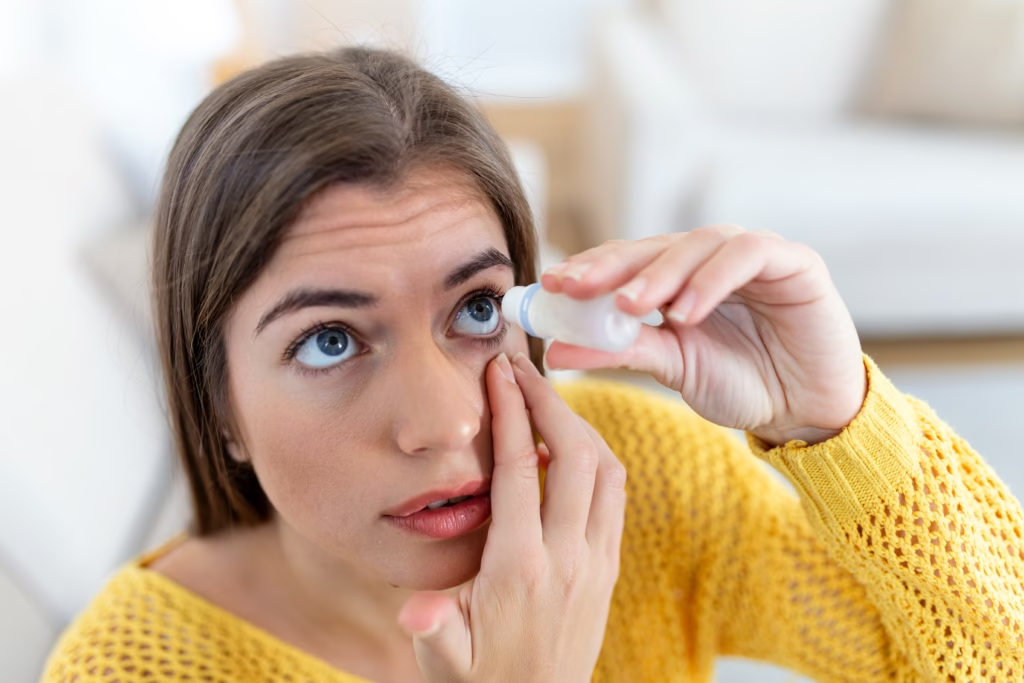
Lubricating eye drops help rinse out allergens and relieve dryness. Make sure to choose preservative-free options for sensitive eyes.
- Over-the-Counter Antihistamine Drops
Eye drops containing antihistamines can block histamine release, reducing redness and itching. Always follow the instructions and consult a doctor if symptoms persist.
- Avoid Rubbing Your Eyes
Rubbing can worsen irritation and even cause infection. Instead, gently dab or rinse the eyes with saline solution.
- Keep Your Environment Allergen-Free
- Use air purifiers at home
- Wash bedding and curtains regularly
- Keep windows closed during high pollen seasons
- Protective Eyewear
Wearing sunglasses outdoors can shield your eyes from pollen and dust, providing immediate relief.
Long-Term Strategies for Eye Allergy Relief
For lasting relief, preventive measures and lifestyle adjustments are key:
- Identify Allergens
Consider allergy testing to determine your triggers. Avoidance is the most effective long-term solution.
- Maintain Cleanliness
Regularly clean your home and personal items to reduce exposure to dust, mold and pet dander.
- Adjust Your Diet
Some studies suggest that anti-inflammatory foods such as omega-3 fatty acids and antioxidants, may help reduce allergy symptoms.
- Consult a Pediatric or Adult Optometrist
For chronic eye allergy problems, a healthcare professional can recommend prescription medications or specialized drops.
- Medication Management
If OTC treatments fail, doctors may prescribe steroid eye drops or oral antihistamines for severe reactions.
Natural Remedies for Eye Allergies
Many people prefer natural approaches alongside medical treatment:
- Cucumber slices – Place cool cucumber slices over closed eyes to reduce puffiness.
- Green tea bags – Cooled tea bags can reduce inflammation and soothe irritated eyes.
- Saline rinses – Washing eyes with a saline solution can flush out allergens.
While these remedies provide temporary relief, they should be combined with long-term preventive measures.
When to See Doctor
Seek medical attention if you experience:
- Persistent redness or swelling
- Severe pain or vision changes
- Discharge indicating infection
These could indicate more serious conditions than simple eye allergies.
Frequently Asked Questions:
- What are the common triggers for eye allergies?
Pollen, dust mites, pet dander, mold and certain cosmetics or contact lens solutions. - How can I quickly relieve itchy eyes from allergies?
Use cold compresses, artificial tears and antihistamine eye drops. - Can eye allergies cause swollen eyes?
Yes, swelling around the eyes (swollen eyes allergies) is a common symptom. - Are eye allergies contagious?
No, eye allergies are not contagious infections like conjunctivitis are. - How do I know if my red eyes are due to allergies or infection?
Allergy symptoms often include itching and watery eyes whereas infections may produce yellow discharge and pain. - Can children get eye allergies?
Yes, children can develop eye allergy problems, often alongside other allergic conditions like asthma or hay fever. - Do antihistamine eye drops have side effects?
They are generally safe but may cause temporary stinging or dryness in some cases. - Are natural remedies effective for eye allergy relief?
Yes, remedies like cucumber slices or green tea bags can soothe irritation but are usually temporary. - Can lifestyle changes help prevent eye allergies?
Absolutely. Keeping your environment clean and avoiding known allergens can reduce flare-ups. - When should I consult an eye doctor for allergies?
If symptoms are persistent, severe or affect vision, consult an ophthalmologist or optometrist.
Conclusion:
Eye allergies can disrupt daily life but with proper knowledge and treatment, relief is achievable. From immediate measures like cold compresses and antihistamine drops to long-term strategies like allergen avoidance and medical consultation, you can manage allergy eye problems effectively.
By recognizing symptoms for eye allergies, taking preventive steps and using safe treatments, sensitive eyes can remain healthy and comfortable. Remember, prompt attention and consistent care are the keys to quick and lasting eye allergy relief.