



Upper Blepharoplasty NYC: The Complete Guide to Eyelid Rejuvenation
If you’re considering facial rejuvenation, one of the most impactful procedures you can choose is upper blepharoplasty NYC. This surgical eyelid procedure targets excess skin and fat in the upper eyelids to help you look more refreshed, alert, and youthful. At Lee Vision, our expert surgeons specialize in cosmetic eyelid surgery tailored for patients in New York City seeking natural-looking results with minimal downtime.
In this comprehensive guide, we’ll walk through everything you need to know — from what the procedure involves and how it works to recovery, before and after results, cost, benefits, risks, tips, and frequently asked questions.
What Is Upper Blepharoplasty?
Upper blepharoplasty is a surgical procedure that focuses on the upper eyelids. As we age, the skin around the eyes loses elasticity, and excess fat can accumulate above the eyelid crease. This leads to sagging skin, a tired appearance, and in some cases, even impaired vision. According to the American Academy of Ophthalmology, eyelid surgery can also improve your field of vision in addition to providing aesthetic benefits.
With upper blepharoplasty NYC, a skilled oculoplastic or facial plastic surgeon removes or repositions excess skin, muscle, and fat to create a smoother, firmer, and more youthful upper eyelid contour. The goal is not to change your facial expression but to restore a more rested and refreshed look.
Who Is a Good Candidate?
Good candidates for upper blepharoplasty NYC typically:
- Are in good overall health
- Have excess upper eyelid skin or fat
- Experience hooding that makes eyes look tired
- Have mild vision obstruction from heavy eyelids
- Are nonsmokers or willing to stop smoking before surgery
A personalized consultation, including a review of your medical history and goals, is essential to determine if upper eyelid surgery is right for you. You can read more about eyelid surgery benefits on MedlinePlus.
Understanding the Procedure
When you choose upper blepharoplasty NYC, the process typically includes:
1. Anesthesia
Most patients receive local anesthesia with sedation, though general anesthesia may be used in select cases.
2. Incision
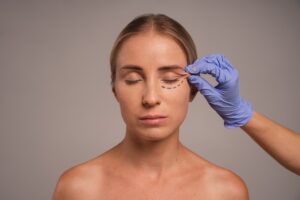
Your surgeon makes discreet incisions within the natural eyelid crease. This allows access to excess skin and fat while minimizing visible scarring.
3. Tissue Adjustment
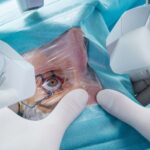
Through these incisions, the surgeon gently removes excess skin, repositions or excises fat, and tightens underlying muscle where needed. According to studies published in the Journal of Plastic and Reconstructive Surgery, precise fat removal ensures natural and lasting results.
4. Closure
Incisions are closed with sutures designed to minimize scarring and promote smooth healing. The procedure generally takes 1–2 hours, depending on the complexity and whether additional facial procedures are performed concurrently.
Upper Blepharoplasty Recovery
Understanding upper blepharoplasty recovery is essential for a smooth healing process and optimal results.
Typical Recovery Timeline
| Time After Surgery | Expected Symptoms | Healing Milestones |
|---|---|---|
| Day 1–3 | Swelling, bruising, mild discomfort | Start cold compresses; brief walks recommended |
| Day 4–7 | Swelling decreases; stitches may be removed | Most patients return to non-strenuous activity |
| Week 2 | Bruising mostly resolved; incisions healing | Makeup can be used over healed incisions |
| Weeks 3–6 | Continued softening of eyelids | Most swelling resolved |
| 3 Months | Final contour becomes apparent | Full recovery and natural results |
Recovery Tips
To optimize your upper blepharoplasty recovery:
- Follow all postoperative instructions from your surgeon
- Apply cold compresses in the first 48–72 hours
- Sleep with your head elevated to reduce swelling
- Avoid strenuous exercise for 2–4 weeks
- Keep incisions clean and protected from sun exposure
- Use preservative-free artificial tears if advised
Patients can expect mild swelling and bruising, which typically resolve within 1–2 weeks. Most people feel comfortable returning to everyday social and work activities after this period.
Upper Blepharoplasty Before and After Results
One of the most compelling aspects of upper blepharoplasty NYC is the transformative change in appearance it can deliver — without altering your natural facial characteristics.
Typical results demonstrate:
- A reduction in drooping upper eyelid skin
- A more defined eyelid crease
- Eyes that appear more open, rested, and youthful
- Greater symmetry between both eyelids
See our upper blepharoplasty before and after gallery to explore real patient transformations. Additional studies on outcomes can be found in the Journal of Plastic and Reconstructive Surgery.
How Much Is Upper Blepharoplasty? Cost in NYC
One of the most common questions patients ask is: how much is upper blepharoplasty in a city like New York?
Typical Price Range
In New York City, upper blepharoplasty generally ranges from $3,000 – $7,000+. This cost estimate includes:
- Surgeon’s fee
- Facility or operating room fee
- Anesthesia fees
- Preoperative and postoperative care
Factors Affecting Cost
Several factors can influence how much upper blepharoplasty costs overall:
- Surgeon experience and reputation
- Type of anesthesia used
- Whether both upper and lower eyelids are treated (see our laser blepharoplasty overview)
- Facility quality and surgical team
- Geographic location (NYC typically has higher fees)
During your consultation, your surgeon will provide a detailed cost breakdown. For general health considerations before eyelid surgery, the NIH MedlinePlus guide on eyelid surgery is a credible resource.
Benefits of Upper Blepharoplasty
Upper blepharoplasty NYC offers a range of benefits, both functional and aesthetic:
- Rejuvenated Appearance: Removes excess skin and fat that cause droopy or tired-looking eyes.
- Improved Vision: Can enhance visual field if eyelid sagging obstructs sight, as described by the AAO.
- Natural Results: Experienced surgeons achieve refreshed, not overdone, appearance.
- Minimal Scarring: Incisions follow natural eyelid creases.
- Long-Lasting: Results remain stable for many years with proper care.
Potential Risks and Complications
Like all surgeries, upper blepharoplasty NYC carries some risks, although serious complications are rare. Possible complications include minor dry eyes, mild asymmetry, and rarely infection. You can read more about eyelid surgery risks at MedlinePlus Eyelid Surgery.
Tips Before You Undergo Upper Blepharoplasty
- Choose the Right Surgeon: Look for board-certified surgeons and view patient testimonials & before/after photos.
- Plan Your Recovery: Schedule time off and arrange home support.
- Discuss Expectations: Be clear about your aesthetic goals.
- Prepare for Swelling: Have cold compresses and eye-soothing products ready.
- Protect Your Eyes from Sun: Wear sunglasses and use sunscreen post-healing.
Frequently Asked Questions (FAQ)
1. What exactly is upper blepharoplasty?
Upper blepharoplasty is a cosmetic surgical procedure to remove excess skin, muscle, and fat from the upper eyelids to rejuvenate the eye area and improve appearance and function.
2. How long does the upper blepharoplasty surgery take?
Most procedures take about 1–2 hours, depending on the extent of correction and whether other procedures are combined.
3. Is this procedure painful?
Discomfort is generally mild and controlled with pain medication. Swelling and bruising are more common than pain.
4. Will my insurance cover it?
Insurance may cover part or all of the cost if eyelid sagging interferes with vision. Cosmetic surgery is usually self-pay.
5. How soon will I see results?
You’ll notice changes immediately, but final results appear within 4–8 weeks as swelling subsides.
6. Can upper blepharoplasty be combined with other procedures?
Yes — many patients combine it with lower eyelid surgery or facelifts for broader rejuvenation.
7. Will I have visible scars?
Scars are placed within natural eyelid creases and fade over time.
8. What is the recovery like?
Recovery involves swelling and bruising that improves in 1–2 weeks. Most patients resume work and social activity in that timeframe.
Conclusion
Upper blepharoplasty NYC is one of the most effective procedures for refreshing the eye area, restoring youthful contours, and improving functional vision if necessary. With a skilled surgeon, proper preparation, and realistic expectations, patients can enjoy significant enhancements in appearance and confidence.
For personalized advice or to schedule a consultation, visit Lee Vision — committed to expert care and natural-looking results.