


Cataracts Treatment Laser: Restore Clear Vision Safely
If you are struggling with blurry or cloudy vision, understanding cataracts treatment laser options is essential. Cataracts affect millions of adults worldwide, and early intervention can dramatically improve quality of life. Many patients often ask, “Where can I find cataract treatment near me?” At Leevision, we provide advanced technology and personalized care to ensure safe and effective results.
What Are Cataracts?
A cataract occurs when the natural lens of the eye becomes cloudy. This clouding prevents light from properly focusing on the retina, resulting in blurry vision. Aging is the most common cause, but other factors such as diabetes, smoking, long-term steroid use, and prolonged UV exposure can increase risk. According to the American Academy of Ophthalmology, millions of adults over 60 develop cataracts every year.
Symptoms of Cataracts
Early detection is key. Watch for these signs:
- Blurry or cloudy vision
- Difficulty reading or driving at night
- Glare or halos around lights
- Fading or yellowing of colors
- Double vision in one eye
If these symptoms affect daily life, it may be time to explore cataract surgery or laser-assisted options.
Causes and Risk Factors
Understanding why cataracts form helps in prevention and treatment:
- Age: The lens naturally changes over time.
- Medical conditions: Diabetes and metabolic disorders.
- Eye trauma: Past injuries or surgery.
- Genetics: Family history increases susceptibility.
- Medications: Long-term corticosteroids.
- Lifestyle: Smoking, alcohol, and poor nutrition.
- UV exposure: Lack of protective eyewear outdoors.
Experts at Mayo Clinic emphasize that UV protection and a healthy lifestyle can slow cataract progression.
Types of Cataracts
- Nuclear cataracts: Central lens opacity, often age-related.
- Cortical cataracts: White wedges on lens periphery, can affect night vision.
- Posterior subcapsular cataracts: Back of the lens, causing glare and reading difficulty.
- Congenital cataracts: Present at birth or early childhood.
Conventional vs Laser Cataract Treatment
Once cataracts interfere with daily activities, surgery becomes necessary. Traditional surgery is effective, but laser treatment for cataract offers enhanced precision.
Traditional Cataract Surgery
This method involves a small incision, ultrasound fragmentation of the lens, and insertion of an intraocular lens (IOL). While effective, it requires manual precision and may involve longer healing times.
Laser Cataract Treatment
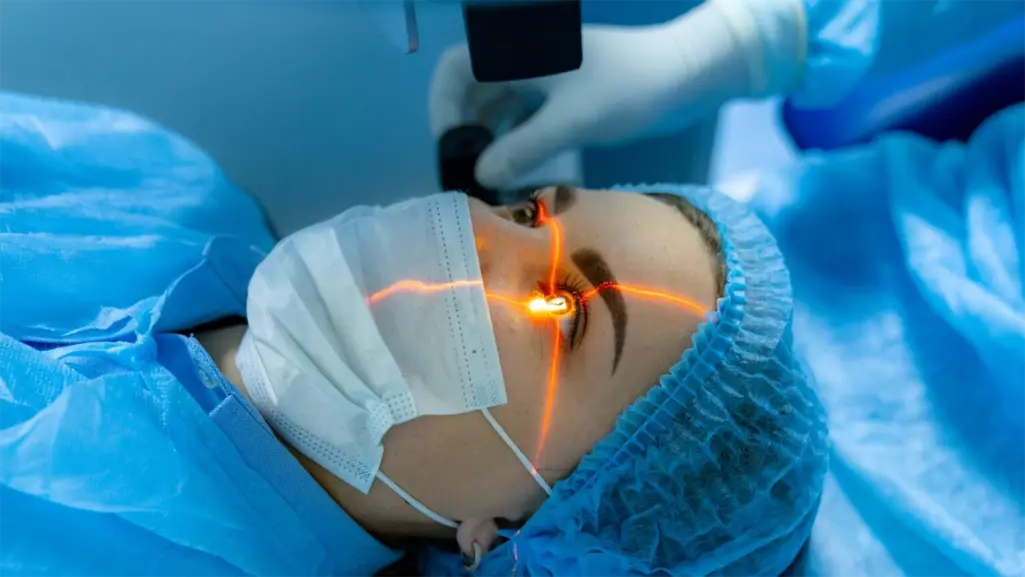
Laser-assisted surgery uses femtosecond lasers for highly precise lens fragmentation and incision. Advantages include:
- Reduced risk of complications
- Faster visual recovery
- Corrects pre-existing astigmatism
- Minimal discomfort during surgery
Learn more about advanced options at Laser Vision Correction.
Preparing for Surgery
Preparation improves outcomes and recovery:
- Comprehensive eye exam
- Medical evaluation for systemic conditions
- Discussion of IOL options for vision correction
- Adjusting medications to reduce surgical risk
- Arranging post-operative care and transportation
Recovery and Precautions
Laser cataract surgery allows for faster recovery. Tips include:
- Use prescribed eye drops to prevent infection
- Avoid rubbing the eyes or heavy lifting
- Wear sunglasses outdoors
- Attend follow-up appointments
Most patients regain normal activities within a few days. For professional guidance, visit NHS – Cataracts.
Natural Approaches and Lifestyle Tips
While cataract treatment natural methods cannot replace surgery, they help support eye health:
- Eat antioxidant-rich foods: leafy greens, carrots, berries
- Wear UV-protective sunglasses
- Quit smoking and limit alcohol
- Maintain healthy blood sugar levels
- Regular eye exams for early detection
Who Is a Good Candidate?
Laser-assisted cataract surgery is suitable for adults with moderate to severe cataracts. Ideal candidates:
- Experiencing vision-limiting cataracts
- Needing astigmatism correction
- Looking for faster recovery and precise results
- Healthy enough for outpatient surgery
Benefits of Cataracts Treatment Laser
The benefits of cataracts treatment laser include:
- Minimally invasive and precise
- Lower risk of infection and complications
- Corrects refractive errors like astigmatism
- Quicker recovery compared to traditional surgery
- Improved long-term visual clarity
Patients often report restored color perception, better night vision, and less dependence on glasses.
Finding Cataract Treatment Near You
If you are searching for cataract treatment near me, choose clinics with experienced ophthalmologists and advanced technology. Leevision provides expert consultation, personalized treatment plans, and state-of-the-art laser procedures.
FAQ – Cataract Treatment
1. What is the difference between laser and traditional cataract surgery?
Laser surgery uses computer-guided precision for lens removal, reducing risks and improving visual outcomes.
2. Can cataracts be treated naturally?
Natural methods can slow progression but cannot replace surgery for advanced cataracts.
3. How soon will I see clearly after surgery?
Most patients notice improvement within days, with full vision stabilizing in a few weeks.
4. Is laser cataract surgery safe?
Yes, it is safe for most adults. Your ophthalmologist will assess suitability.
5. Where can I find reliable cataract treatment near me?
Look for accredited clinics with laser technology. Leevision offers expert care and consultation.
Take the first step toward clear vision—schedule your consultation at Leevision today!