









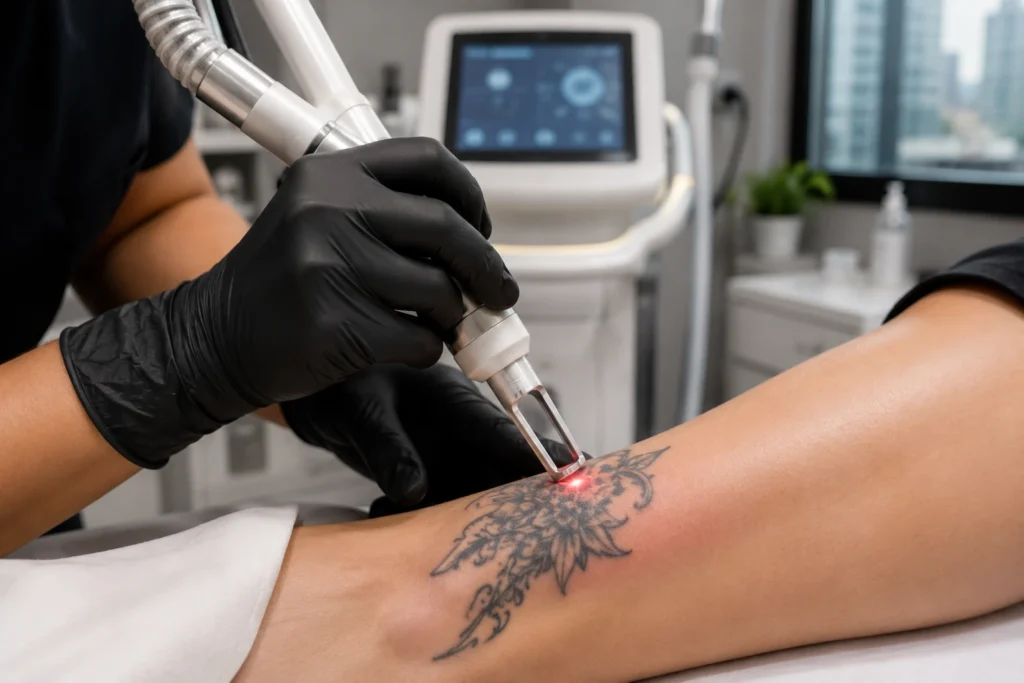
Laser Tattoo Removal Side Effects: What to Expect During Healing
Tattoo removal has become one of the most requested cosmetic laser procedures in modern aesthetic clinics, especially among patients looking for a fresh start or cleaner skin appearance. While advanced technologies like pico laser tattoo removal have made treatments safer and more effective, many people still worry about laser tattoo removal side effects before starting the process.
If you are considering tattoo removal in NYC, understanding the possible risks, healing stages, recovery timeline, and aftercare process can help you make a confident and informed decision. Most side effects are temporary and manageable when treatment is performed by an experienced laser specialist. However, every skin type responds differently, and realistic expectations are essential.
In this guide, we’ll explain the side effects of laser tattoo removal, how the laser tattoo removal healing process works, and what you can do to reduce complications while achieving smoother, healthier-looking skin.
What Happens During Laser Tattoo Removal?
Laser tattoo removal uses concentrated light energy to break down tattoo ink particles beneath the skin. The body’s immune system then gradually clears away the fragmented pigment over several weeks.
Modern systems such as pico laser tattoo removal target ink with ultra-short pulses, helping minimize surrounding skin damage while improving results. Treatments are commonly used on black ink tattoos, colored tattoos, cosmetic tattoos, and older body art.
Although laser technology has improved dramatically, the skin still experiences controlled trauma during treatment. Because of this, temporary reactions during the tattoo removal healing stages are completely normal.
Common Laser Tattoo Removal Side Effects
Most patients experience mild to moderate side effects after each session. These reactions usually improve within days or weeks depending on skin sensitivity, tattoo size, and aftercare habits.
Redness and Skin Irritation
Laser tattoo removal redness is one of the most common reactions immediately after treatment. The skin may look similar to a mild sunburn for several hours or days.
You may notice:
- Warmth
- Tenderness
- Pink or red skin
- Mild irritation around the tattoo
This response happens because the laser creates controlled heat within the ink particles.
How Long Does Redness Last?
For most patients:
- Mild redness: 24–72 hours
- Moderate redness: up to 1 week
- Sensitive skin reactions: longer in some cases
Using cool compresses and following professional aftercare instructions can help reduce irritation.
Swelling After Tattoo Removal
Laser tattoo removal swelling commonly develops within the first 24 hours. Areas with thinner skin, such as wrists, ankles, fingers, or neck tattoos, may swell more noticeably.
Swelling is part of the body’s inflammatory healing response and generally improves quickly.
Signs of Normal Swelling
- Mild puffiness
- Slight tightness
- Temporary discomfort
- Skin sensitivity
When Swelling May Be Concerning
Contact a specialist if swelling becomes severe or is accompanied by:
- Fever
- Increasing pain
- Yellow drainage
- Significant skin discoloration
Blistering During Healing
Laser tattoo removal blistering can look alarming, but small blisters are actually a normal part of the healing process for many patients.
Blisters form because heat from the laser affects the upper layers of the skin while targeting ink below the surface.
Important Blister Care Tips
Never pop blisters yourself.
Improper handling may increase the risk of:
- Tattoo removal infection
- Scarring
- Hyperpigmentation
- Delayed healing
Instead:
- Keep the area clean
- Avoid friction
- Apply recommended ointments
- Let blisters heal naturally
Temporary Skin Darkening or Lightening
Some patients experience pigment changes during recovery.
These include:
Hyperpigmentation
The treated area becomes darker than surrounding skin.
Hypopigmentation
The skin becomes temporarily lighter.
Laser tattoo removal hyperpigmentation is more common in darker skin tones or after excessive sun exposure during healing.
Fortunately, most pigment changes improve gradually over time with proper skincare and sun protection.
Scabbing and Peeling
During the laser tattoo removal healing process, the body naturally removes damaged skin cells and fragmented ink.
This may lead to:
- Dry skin
- Flaking
- Crusting
- Light scabbing
Although this stage can feel uncomfortable, picking at peeling skin may increase the risk of laser tattoo removal scars.
Minor Bleeding or Pinpoint Spotting
Some patients notice tiny pinpoint spots of blood immediately after treatment. This is more common with:
- Dense tattoos
- Professional tattoos
- Areas with thin skin
- Aggressive treatment settings
This reaction is usually temporary and resolves quickly.
Laser Tattoo Removal Burns
Laser tattoo removal burns are less common but can occur when:
- Improper laser settings are used
- Skin is recently tanned
- Aftercare instructions are ignored
- Inexperienced providers perform treatment
Choosing an experienced cosmetic laser specialist significantly lowers this risk.
Side Effects of Laser Tattoo Removal on Different Skin Types
Skin tone plays a major role in both healing and complication risk.
Patients with darker complexions often require customized treatment settings to minimize pigmentation changes and skin trauma.
Laser Tattoo Removal Dark Skin Considerations
Darker skin contains more melanin, which can absorb laser energy alongside tattoo ink.
Potential risks include:
- Hyperpigmentation
- Hypopigmentation
- Longer healing time
- Increased sensitivity
Advanced systems like pico laser tattoo removal are often preferred because they reduce excess heat damage compared to older technologies.
Safe Treatment for Darker Skin Types
Experienced NYC aesthetic clinics typically:
- Use conservative laser settings initially
- Space treatments farther apart
- Monitor healing carefully
- Recommend strict sun protection
This approach helps improve safety while reducing tattoo removal complications.
Sensitive Skin Reactions
Patients with eczema, psoriasis, or reactive skin may experience:
- Increased redness
- Extended irritation
- Slower healing
- Greater sensitivity
A consultation with a cosmetic laser professional is important before treatment begins.
Understanding the Laser Tattoo Removal Healing Process
Healing occurs in stages after every session. Knowing what to expect can reduce anxiety and help patients avoid unnecessary complications.
Stage 1: Immediate Reaction (First 24 Hours)
Immediately after treatment, you may notice:
- Whitening or “frosting”
- Redness
- Mild swelling
- Heat sensation
This reaction is temporary and expected.
Stage 2: Early Recovery (Days 2–7)
During this stage:
- Redness gradually fades
- Blisters may form
- Skin becomes dry
- Scabbing can develop
This is when proper laser tattoo removal aftercare becomes extremely important.
Stage 3: Peeling and Skin Repair (Weeks 1–3)
The body continues removing damaged skin and fragmented ink.
You may notice:
- Peeling
- Itching
- Skin sensitivity
- Gradual fading of tattoo pigment
The tattoo removal healing stages vary depending on ink depth and immune response.
Stage 4: Long-Term Recovery (Weeks 4–8)
The immune system continues flushing away ink particles.
The treated area may appear:
- Smoother
- Less pigmented
- More even in tone
Multiple sessions are usually required for complete tattoo removal.
Does Laser Tattoo Removal Leave Scars?
One of the most common patient concerns is: does laser tattoo removal leave scars?
In most cases, professional laser tattoo removal does not cause permanent scarring when performed correctly and followed by proper aftercare.
However, scars may develop if:
- Blisters are picked
- Skin becomes infected
- Aggressive laser settings are used
- The area is exposed to excessive sun
- Existing scar tissue is present
Patients at Higher Risk of Scarring
You may have increased risk if you:
- Have keloid-prone skin
- Heal poorly from injuries
- Have darker skin tones
- Scratch healing skin
Experienced providers evaluate these risks before treatment begins.
Can Existing Tattoo Scars Become More Visible?
Some tattoos already contain scar tissue from the original tattooing process. During removal, these scars may become more noticeable temporarily as pigment fades.
A professional evaluation can help determine realistic expectations.
How Long Does Tattoo Removal Healing Take?
Healing times vary significantly from person to person.
Average Recovery Timeline
Immediate Recovery
1–7 days
Surface Skin Healing
2–4 weeks
Internal Ink Clearance
6–8 weeks or longer
Because the immune system needs time to process fragmented pigment, treatments are usually spaced several weeks apart.
Factors That Affect Laser Tattoo Removal Recovery Time
Several factors influence healing speed:
- Tattoo age
- Ink colors
- Skin type
- Smoking habits
- Immune health
- Sun exposure
- Tattoo location
- Aftercare quality
Tattoos on extremities like hands or feet often heal more slowly because of reduced circulation.
How to Reduce Laser Tattoo Removal Side Effects
Minimizing complications begins before your first session.
Choose an Experienced Laser Specialist
This is the most important step.
Qualified professionals understand:
- Skin anatomy
- Safe laser settings
- Dark skin protocols
- Scar prevention strategies
- Proper treatment spacing
Clinics offering advanced cosmetic laser procedures often use modern technology designed to improve comfort and reduce recovery issues.
Avoid Sun Exposure
Tanned or sunburned skin significantly increases the risk of:
- Burns
- Hyperpigmentation
- Uneven healing
Use SPF 30+ daily before and after treatments.
Stay Hydrated and Healthy
Your immune system plays a major role in clearing tattoo ink.
Healthy habits can support recovery:
- Drink water
- Sleep adequately
- Avoid smoking
- Eat nutrient-rich foods
Follow Treatment Timing Carefully
Getting sessions too close together can increase irritation and skin trauma.
Most specialists recommend waiting at least 6–8 weeks between appointments.
Laser Tattoo Removal Aftercare Tips
Following proper laser tattoo removal aftercare instructions can dramatically improve healing results.
Keep the Area Clean
Wash gently with mild soap and lukewarm water.
Avoid:
- Harsh scrubs
- Fragrance-heavy products
- Excessive rubbing
Apply Recommended Ointments
Your specialist may recommend healing ointments or soothing creams to protect the skin barrier.
Avoid using random over-the-counter products without guidance.
Avoid Picking or Scratching
Peeling skin and scabs should heal naturally.
Picking increases the risk of:
- Infection
- Scars
- Pigment changes
Protect the Area From Heat
Avoid:
- Hot tubs
- Saunas
- Steam rooms
- Intense exercise for 24–48 hours
Excess heat may worsen swelling and irritation.
Wear Loose Clothing
Tight fabrics can irritate healing skin and delay recovery.
Soft, breathable clothing is ideal after treatment.
When Should You Contact a Specialist?
Although most side effects are temporary, certain symptoms require medical attention.
Warning Signs to Watch For
Contact your provider if you experience:
- Severe pain
- Fever
- Excessive blistering
- Thick yellow drainage
- Spreading redness
- Significant skin discoloration
- Persistent swelling
- Signs of tattoo removal infection
Prompt treatment helps prevent long-term complications.
Is Laser Tattoo Removal Safe?
For most healthy patients, laser tattoo removal is considered safe when performed by trained professionals using FDA-cleared technology.
According to trusted medical organizations such as the American Academy of Dermatology and the FDA, laser procedures can safely reduce unwanted tattoos when appropriate protocols are followed.
Modern systems like pico laser tattoo removal have improved both safety and effectiveness while reducing downtime compared to older methods.
However, realistic expectations matter.
Tattoo removal is a process, not a one-time treatment. Understanding possible laser tattoo removal side effects helps patients prepare mentally and physically for healing.
Frequently Asked Questions
Is swelling normal after laser tattoo removal?
Yes. Mild laser tattoo removal swelling is extremely common during the first few days after treatment. It usually improves with cool compresses and proper aftercare.
How long does laser tattoo removal redness last?
Laser tattoo removal redness may last anywhere from a few hours to one week depending on skin sensitivity and treatment intensity.
Does laser tattoo removal leave scars permanently?
Professional laser tattoo removal rarely causes permanent scars when performed correctly. Picking scabs or ignoring aftercare instructions increases scar risk.
What are the normal tattoo removal healing stages?
Healing usually includes redness, swelling, blistering, peeling, and gradual fading over several weeks as the body clears fragmented ink.
Is laser tattoo removal safe for dark skin?
Yes, but darker skin requires specialized laser settings and experienced providers to reduce risks like hyperpigmentation or hypopigmentation.
How long is laser tattoo removal recovery time?
Most surface healing occurs within 2–4 weeks, while deeper ink clearance may continue for 6–8 weeks after each session.
Can blistering happen after tattoo removal?
Yes. Laser tattoo removal blistering is a common temporary reaction. Blisters should heal naturally and should not be popped.
What helps reduce tattoo removal complications?
Proper aftercare, avoiding sun exposure, staying hydrated, and choosing an experienced laser specialist all help reduce tattoo removal risks.
Conclusion
Understanding laser tattoo removal side effects is an essential part of preparing for safe and successful treatment. While temporary redness, swelling, blistering, and peeling are common during the laser tattoo removal healing process, serious complications are uncommon when treatments are performed by qualified professionals.
Patients who follow proper aftercare instructions, protect their skin from sun exposure, and work with experienced cosmetic laser specialists typically experience smoother healing and better long-term results.
If you are considering tattoo removal in NYC, scheduling a professional consultation can help you understand your skin type, expected recovery timeline, and the safest treatment options available for your goals.
CTA Section
Ready to Start Your Tattoo Removal Journey?
At Lee Vision, our experienced aesthetic laser specialists provide advanced cosmetic laser treatments tailored to your skin type and tattoo concerns.
Whether you’re worried about laser tattoo removal side effects, healing time, or achieving safe results on darker skin, our team can guide you through every step of the process.
Book your personalized consultation today and discover a safer, more confident path toward clearer skin.