




Best Treatment for Loose Skin on Face: Modern Options for Firmer, Younger-Looking Skin
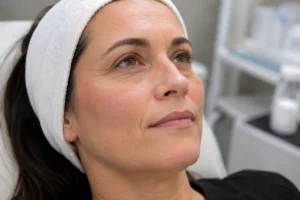
Loose facial skin is one of the most common aesthetic concerns among adults. As collagen and elastin production naturally decline with age, the skin may begin to lose firmness, leading to sagging around the cheeks, jawline, neck, and under-eye area. Many people searching for the best treatment for loose skin on face want effective results without the downtime and risks associated with traditional surgery.
Today, advancements in cosmetic dermatology and medical aesthetics have created numerous options for facial rejuvenation. From laser-based procedures to ultrasound and radiofrequency technologies, patients now have access to treatments that can improve skin firmness, stimulate collagen production, and enhance facial contours with minimal recovery time.
For individuals in New York seeking professional aesthetic care, understanding the available treatment options is the first step toward making an informed decision.
Understanding Loose Facial Skin
Loose skin develops when the structural proteins that keep skin firm begin to break down. While aging is the primary factor, several other causes can contribute to skin laxity, including:
- Sun exposure
- Weight fluctuations
- Smoking
- Genetic factors
- Reduced collagen production
- Environmental stressors
In most cases, skin laxity becomes noticeable around the jawline, cheeks, neck, and eyes. The severity varies from mild looseness to significant sagging that may affect facial definition.
What Is the Best Treatment for Loose Skin on Face?
The best treatment depends on several factors:
- Age
- Skin quality
- Degree of sagging
- Desired results
- Recovery preferences
- Budget
For mild to moderate skin laxity, non-surgical treatments often provide meaningful improvements. More advanced cases may require combination therapies or surgical intervention.
A consultation with a qualified aesthetic professional is essential to determine the most appropriate treatment plan.
Why Collagen Matters
Collagen acts as the skin’s support structure. Beginning in our mid-20s, collagen production gradually decreases. This process accelerates with age, contributing to wrinkles, volume loss, and sagging.
Many modern treatments focus on collagen stimulation treatment strategies that encourage the body to produce new collagen naturally. This can improve skin texture, firmness, and elasticity over time.
Best Skin Tightening Laser Treatment Options
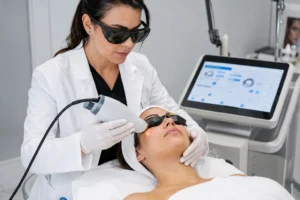
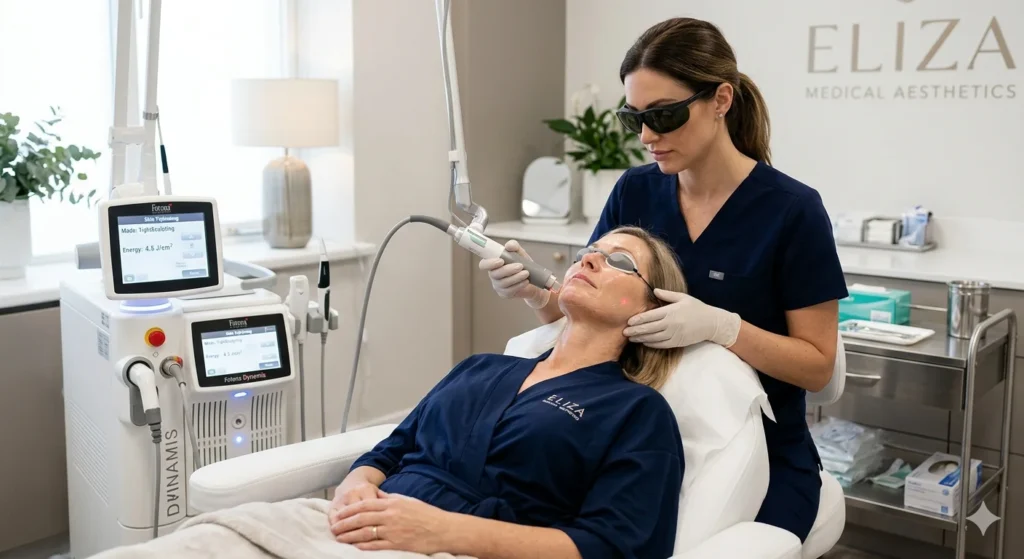
Many patients researching the best skin tightening laser treatment are looking for procedures that can tighten skin without surgery.
Laser technologies work by delivering controlled energy into the skin, triggering a healing response that promotes collagen remodeling.
Common laser-based options include:
Fractional Laser Resurfacing
Fractional lasers create microscopic treatment zones that stimulate skin renewal while leaving surrounding tissue intact.
Benefits include:
- Improved skin texture
- Reduction of fine lines
- Enhanced firmness
- Skin rejuvenation
Laser Skin Resurfacing
Laser skin resurfacing remains one of the most popular treatments for aging skin.
Potential benefits:
- Improved skin tone
- Reduction in sun damage
- Enhanced collagen production
- Better skin elasticity
Recovery varies depending on treatment intensity.
Non Invasive Face Lift Treatments
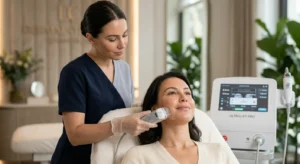
A non invasive face lift refers to procedures designed to lift and tighten skin without surgical incisions.
These treatments appeal to patients who want natural-looking improvement with minimal downtime.
Ultrasound Skin Tightening
Ultrasound technology delivers focused energy into deeper tissue layers.
Benefits include:
- Gradual lifting effect
- Improved skin firmness
- Natural collagen stimulation
- Minimal recovery
HIFU Face Lifting Treatment
High-Intensity Focused Ultrasound (HIFU) is widely used for skin tightening for sagging skin.
HIFU targets deeper support structures beneath the skin, creating a lifting effect over several months.
Common treatment areas:
- Jawline
- Neck
- Cheeks
- Brow area
Radiofrequency Skin Tightening
Radiofrequency skin tightening uses controlled heat to stimulate collagen production.
Advantages:
- Comfortable treatment sessions
- Minimal downtime
- Progressive improvement
- Suitable for various skin types
Facial Skin Tightening Treatment Technologies
Modern facial skin tightening treatment options continue to evolve.
Popular technologies include:
| Treatment Type | Best For | Downtime | Results Timeline |
|---|---|---|---|
| Radiofrequency | Mild laxity | Minimal | 2–4 months |
| HIFU | Moderate sagging | Minimal | 2–6 months |
| Fractional Laser | Texture + firmness | Several days | 1–3 months |
| Laser Resurfacing | Aging skin | Moderate | Several weeks |
| Surgical Lift | Severe sagging | Several weeks | Immediate |
Treatment Process Step-by-Step
Initial Consultation
A detailed assessment evaluates:
- Skin quality
- Medical history
- Treatment goals
- Degree of skin laxity
Customized Planning
Treatment recommendations are tailored to the individual patient.
Procedure Day
Most non-surgical treatments are performed in an outpatient setting and typically require less than two hours.
Recovery
Patients can usually resume normal activities quickly, depending on the chosen procedure.
Recovery Timeline
First 24 Hours
Mild redness or swelling may occur.
First Week
Most visible side effects resolve.
First Month
Collagen remodeling begins.
Two to Six Months
Maximum skin tightening and contour improvement become more noticeable.
Cost Comparison Table
Treatment costs vary depending on provider expertise, technology, and treatment area.
| Procedure | Estimated Cost Range (New York) |
|---|---|
| Radiofrequency Skin Tightening | $500–$2,500 |
| HIFU Treatment | $1,000–$4,000 |
| Fractional Laser Treatment | $1,500–$5,000 |
| Laser Skin Resurfacing | $2,000–$6,000 |
| Surgical Facelift | $8,000–$20,000+ |
Actual pricing varies based on individual needs and provider recommendations.
Before and After Expectations
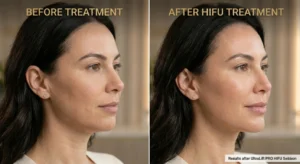
Patients often notice:
- Improved skin firmness
- Better jawline definition
- Enhanced facial contours
- Smoother skin texture
However, results differ from person to person.
Medical professionals should provide realistic expectations rather than guarantees.
Risks and Side Effects
Although generally safe when performed by qualified providers, treatments may carry risks.
Potential side effects include:
- Temporary redness
- Swelling
- Mild discomfort
- Sensitivity
- Rare pigmentation changes
FDA-cleared devices and qualified practitioners help minimize complications.
Who Is a Good Candidate?
Ideal candidates often include individuals who:
- Have mild to moderate skin laxity
- Prefer loose skin treatment without surgery
- Are in good overall health
- Have realistic expectations
Patients with severe sagging may benefit more from surgical options.
The Role of Combination Treatments
Many providers combine technologies to improve outcomes.
Examples include:
- Laser skin rejuvenation plus radiofrequency
- HIFU with wrinkle reduction treatment
- Skin firming treatment combined with facial contouring treatment
Combination approaches may enhance overall results while maintaining a natural appearance.
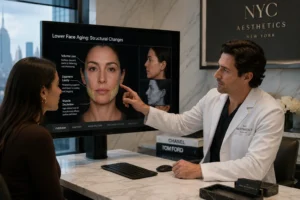
Importance of Professional Evaluation
Because every patient ages differently, professional assessment is critical.
A personalized evaluation helps determine:
- Appropriate technology
- Number of sessions
- Recovery expectations
- Long-term maintenance plan
Patients researching options can learn more about advanced aesthetic and vision-related procedures through leevision.com when exploring available treatment services.
Medical Perspective on Skin Tightening
Organizations such as the American Academy of Dermatology (AAD) recognize the role of collagen stimulation therapies and energy-based devices in facial rejuvenation.
Similarly, FDA-cleared technologies have expanded treatment options for individuals seeking non-surgical facial enhancement.
While treatments can improve skin quality and firmness, maintaining healthy lifestyle habits remains important for long-term youthful skin restoration.
Frequently Asked Questions
How much does treatment for loose skin on the face cost?
Costs vary significantly depending on treatment type, location, and provider expertise. Non-surgical options generally range from several hundred to several thousand dollars.
Is the procedure painful?
Most modern treatments involve minimal discomfort. Topical anesthetics may be used when appropriate.
How long does recovery take?
Recovery depends on the procedure. Many non-invasive treatments require little to no downtime.
Are results permanent?
No treatment permanently stops aging. Maintenance treatments may be recommended.
How many sessions are required?
Some procedures require one session, while others may involve a treatment series for optimal outcomes.
Is skin tightening treatment safe?
When performed by qualified professionals using approved technologies, skin tightening treatments are generally considered safe.
Final Thoughts
Finding the best treatment for loose skin on face requires a personalized approach based on skin condition, treatment goals, and lifestyle preferences. Modern technologies such as ultrasound skin tightening, radiofrequency skin tightening, laser skin rejuvenation, and other non surgical face lift options offer effective solutions for many patients.
Because every face ages differently, a comprehensive consultation remains the most reliable way to identify the safest and most effective treatment strategy. A professional evaluation can help determine whether laser-based procedures, collagen stimulation treatments, or combination therapies are best suited to your needs.
If you are considering facial rejuvenation, scheduling a consultation with a qualified specialist can provide valuable insight into available options and realistic expectations for your unique situation.