








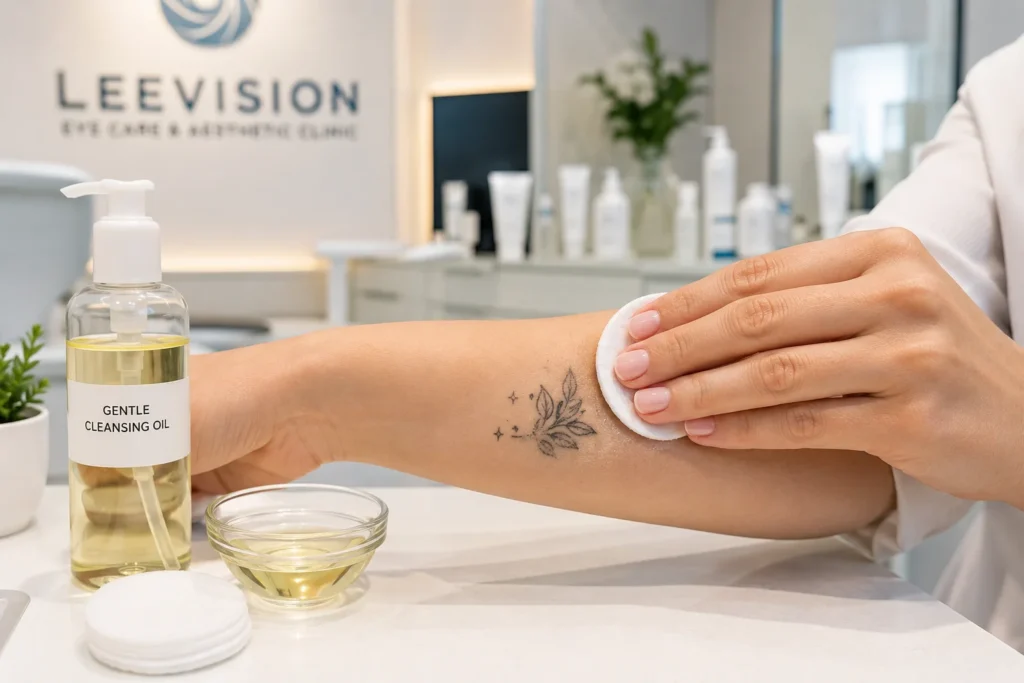
How to Remove Temporary Tattoos: Safe, Fast & Dermatologist-Approved Methods
Temporary tattoos are fun, expressive, and popular across all age groups from kids enjoying stickers to adults experimenting with body art before committing to permanent ink. But once the excitement fades, one question always comes up: how to remove temporary tattoos quickly without irritating the skin?
While most temporary tattoos are designed to fade naturally within a few days, many people want faster and cleaner removal especially for events, professional settings, or sensitive skin areas like the face.
In this detailed dermatology-informed guide, we’ll explain how to remove temporary tattoos at home, the best clinically safe methods, and when professional aesthetic treatments may help if stains or pigment residue linger.
At modern aesthetic clinics like Leevision Eye Care & Aesthetic Clinic in NYC, skin safety is always the priority whether you’re dealing with cosmetic pigments, laser treatments, or skin rejuvenation procedures. The same principles apply when removing temporary tattoo residue: gentle care, controlled exfoliation, and skin barrier protection.
Understanding Temporary Tattoos Before Removal
Before learning how to remove a temporary tattoo, it helps to understand what you’re removing.
Temporary tattoos typically fall into three categories:
- Sticker-based tattoos (decal tattoos) – adhesive-backed designs
- Henna-style tattoos – plant-based dye stains
- Airbrush or cosmetic ink tattoos – pigment sprayed on the skin
Each type interacts differently with the outer layer of skin (stratum corneum). That’s why removal of temporary tattoos isn’t always instant and may require multiple gentle techniques.
The goal is simple: remove pigment or adhesive without damaging the skin barrier.
Remove Temporary Tattoo: What Actually Works?
When people search for remove temporary tattoo methods, they’re usually looking for quick home solutions. The truth is, there isn’t one universal method. Instead, dermatologists recommend a combination of:
- Oil-based breakdown
- Gentle exfoliation
- Adhesive lifting techniques
- Cleansing agents
Let’s explore the most effective options.
Oil-Based Methods (Most Recommended)
Oil is one of the safest and best ways to remove temporary tattoos.
Why it works:
Temporary tattoo adhesives and pigments bind to the skin’s oils. Applying more oil helps break that bond.
Best oils to use:
- Coconut oil
- Olive oil
- Baby oil
- Almond oil
How to use:
- Apply oil generously over the tattoo.
- Let it sit for 1–2 minutes.
- Massage gently in circular motions.
- Wipe with a soft cloth or cotton pad.
- Repeat if needed.
This method is especially effective for removing temporary tattoos at home without irritation.
Soap and Warm Water Technique
One of the easiest answers to how do you remove temporary tattoos is simple cleansing.
Steps:
- Use warm water to soften the skin
- Apply mild soap or body wash
- Gently rub the area using fingertips or a soft cloth
This works best on fresh tattoos that haven’t fully set.
Micellar Water or Makeup Remover
Dermatologists often recommend micellar water because it lifts pigment gently without harsh rubbing.
Best for:
- Face tattoos
- Sensitive skin
- Children’s temporary tattoos
Simply soak a cotton pad and press it on the tattoo for 30–60 seconds before wiping.
This is one of the easiest ways to remove temporary tattoos from delicate areas.
Adhesive Tape Method
A commonly searched temporary tattoo removal hack involves tape.
How it works:
The adhesive helps lift tattoo residue from the skin surface.
Steps:
- Apply clean adhesive tape over the tattoo.
- Press firmly.
- Peel off slowly.
- Repeat if necessary.
While effective, this method should be avoided on irritated or sensitive skin.
Best Way to Remove Temporary Tattoos Safely
If we combine dermatological safety and effectiveness, the best way to remove temporary tattoos is a layered approach:
Step-by-step recommended method:
- Start with oil treatment (breaks pigment bond)
- Follow with gentle soap cleansing
- Use light exfoliation if residue remains
- Finish with moisturizer to repair skin barrier
This approach minimizes redness and ensures smooth temporary tattoos removal without damage.
How to Remove a Temporary Tattoo at Home
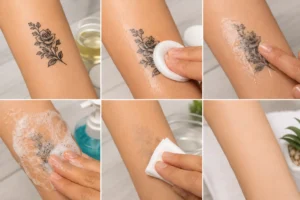
Many users specifically search for how to remove a temporary tattoo at home, especially for quick fixes before events or work.
Here are safe home-based methods:
1. Coconut Oil + Sugar Scrub
A natural exfoliating combo:
- Coconut oil softens ink
- Sugar gently removes dead skin cells
Massage gently for 30–60 seconds.
2. Alcohol-Based Removal (Use Carefully)
Rubbing alcohol can dissolve adhesive but may dry the skin.
Use only if:
- Tattoo is stubborn
- Skin is not sensitive
Always moisturize afterward.
3. Baby Oil Soak Method
Perfect for kids and sensitive skin.
Apply baby oil and let it sit for 5–10 minutes before wiping.
This is often recommended for how to remove childrens temporary tattoos safely.
4. Warm Compress + Soap
Helps loosen stubborn pigment layers before cleansing.
How to Remove Temporary Tattoos Fast
If you’re wondering how to quickly remove temporary tattoos, speed depends on skin type and tattoo type.
Fastest combination method:
- Oil (breaks down adhesive)
- Warm water (opens pores)
- Gentle exfoliation (removes residue)
This usually clears most temporary tattoos within 5–10 minutes.
How to Remove Temporary Tattoos from Skin (Sensitive Areas)
Skin sensitivity matters, especially for:
- Face
- Neck
- Around eyes
- Children’s skin
Safe approach:
- Avoid harsh scrubbing
- Use micellar water or baby oil
- Pat gently instead of rubbing
For how to remove temporary face tattoos, dermatologists strongly recommend avoiding alcohol-based products.
Instead, use:
- Oil cleansers
- Makeup removers
- Soft cotton pads
Remove Temporary Tattoo from Face: Special Care Guide
Facial skin is thinner and more reactive, so removal must be extra gentle.
Steps:
- Apply micellar water
- Wait 1–2 minutes
- Gently wipe
- Repeat if needed
- Apply moisturizer or aloe vera
Avoid:
- Scrubs
- Tape
- Strong alcohol
How to Remove Temporary Tattoos from Skin Without Irritation
To prevent redness or irritation:
- Never scrub aggressively
- Avoid hot water for long periods
- Always moisturize afterward
- Choose oil-based methods first
This ensures smooth and safe removing temporary tattoo results.
How to Remove Children’s Temporary Tattoos Safely
Parents often ask how do you remove childrens temporary tattoos without harming sensitive skin.
Best methods:
- Baby oil
- Warm water + mild soap
- Wet wipes for quick cleanup
Avoid alcohol or scrubbing pads.
Kids’ skin recovers quickly, but harsh methods can cause redness.
What Removes Temporary Tattoos Best? Dermatology Insight
From a clinical perspective, the most effective removers are:
- Oil-based cleansers (most effective overall)
- Micellar water (best for sensitive skin)
- Mild exfoliants (for residue)
In aesthetic dermatology clinics like Leevision, similar principles apply when removing cosmetic pigments or preparing skin for laser treatments such as PicoSure laser skin rejuvenation.
While temporary tattoos are surface-level, stubborn pigment staining in cosmetic procedures may sometimes require professional skin rejuvenation approaches.
Common Mistakes to Avoid When Removing Temporary Tattoos
Many people unknowingly damage their skin by:
- Over-scrubbing
- Using harsh chemicals
- Peeling aggressively
- Ignoring skin hydration afterward
These can lead to irritation or dryness.
Always remember: gentle removal is more effective than force.
Temporary Tattoo Removal for Different Skin Types
Oily Skin
- Responds quickly to soap-based cleansing
- Oil removal works effectively
Dry Skin
- Requires extra moisturization
- Avoid alcohol-based methods
Sensitive Skin
- Stick to micellar water and baby oil only
When Temporary Tattoo Marks Don’t Fully Fade
Sometimes light staining remains after removal. This is normal and usually fades within a few days as skin naturally renews itself.
However, if pigmentation persists unusually long, dermatological consultation may help.
Advanced clinics offering skin treatments such as **laser rejuvenation and pigment correction at Leevision can evaluate skin health and provide tailored solutions if needed.
FAQ: How to Remove Temporary Tattoos
How to remove temporary tattoos easily?
The easiest method is using baby oil or coconut oil, followed by gentle wiping and soap cleansing.
How do you remove temporary tattoos?
You can remove them using oil-based products, micellar water, or mild soap and warm water.
What removes temporary tattoos fastest?
A combination of oil + warm water + light exfoliation works fastest.
How to remove a temporary tattoo at home?
Use household items like coconut oil, baby oil, or makeup remover followed by gentle washing.
How do you remove children’s temporary tattoos?
Use baby oil or warm soapy water. Avoid harsh scrubbing or alcohol.
How to easily remove temporary tattoos?
Apply oil, let it sit, then gently rub and wash the area.
How to remove temporary face tattoos?
Use micellar water or makeup remover to avoid irritation on facial skin.
How to remove temporary tattoos from skin?
Break down adhesive with oil, then cleanse and moisturize.
What is the best way to remove temporary tattoos?
Oil-based removal followed by gentle cleansing is the safest and most effective method.
Conclusion: Safe Skin Care Matters More Than Speed
Removing temporary tattoos doesn’t need to be harsh or complicated. In fact, the safest results always come from gentle, skin-friendly methods that protect your natural skin barrier.
Whether you choose oil-based removal at home or prefer professional skin guidance for sensitive skin concerns, the key is consistency and care.
If you experience persistent irritation, sensitivity, or pigment residue after cosmetic applications, consulting a qualified aesthetic specialist can help ensure your skin stays healthy and balanced.
Professional clinics like Leevision Eye Care & Aesthetic Clinic offer advanced dermatology and skin rejuvenation services designed to maintain skin clarity, safety, and long-term health.
For personalized skin concerns or cosmetic treatment guidance, booking a consultation with a qualified expert is always the safest next step.