



Primary Eye Care: Protecting Your Vision at Every Stage of Life
Vision is something most people rarely think about until a problem develops. Yet many of the eye conditions that threaten sight begin quietly, often without pain or obvious symptoms. This is why primary eye care plays such an important role in maintaining lifelong visual health.
Whether you are a student spending hours on digital devices, a working professional commuting across New York City, a parent managing your family’s healthcare needs, or an older adult concerned about age-related eye diseases, regular primary eye care provides the foundation for healthy vision.
At Lee Vision in Flushing, Queens, comprehensive eye evaluations help identify vision changes, monitor eye health, and detect potentially serious conditions before permanent damage occurs. Under the leadership of Dr. David H. Lee, MD, a Board-Certified Ophthalmologist, patients receive evidence-based eye ophthalmology services focused on safety, accuracy, and long-term vision preservation.
Why Primary Eye Care Matters More Than Most People Realize
One of the most common observations in ophthalmology is that many patients wait until vision becomes noticeably worse before scheduling an appointment. Unfortunately, several serious eye conditions can progress silently.
During routine primary eye care visits, ophthalmologists frequently identify:
* Early glaucoma with no symptoms
* Cataracts in their beginning stages
* Diabetic eye disease
* Macular degeneration
* Dry eye disease
* Retinal abnormalities
* Vision changes requiring updated prescriptions
Many of these conditions respond best when detected early.
Patients are often surprised to learn that healthy eyesight does not always mean healthy eyes. A person may read clearly, drive comfortably, and still have an underlying eye disease developing without noticeable warning signs.
This is one reason comprehensive primary eye care remains essential for children, adults, and seniors alike.
Understanding Primary Eye Care
Primary eye care refers to the ongoing management of visual health through preventive examinations, vision correction, disease detection, treatment planning, and long-term monitoring.
Unlike specialty procedures that focus on a specific condition, primary eye care addresses the full spectrum of eye health concerns.
A comprehensive primary eye care appointment may include:
| Eye Care Service | Purpose |
| Vision Testing | Evaluates clarity of vision and prescription needs |
| Eye Health Examination | Assesses overall eye structure and function |
| Glaucoma Screening | Detects elevated eye pressure and optic nerve damage |
| Cataract Evaluation | Identifies lens clouding affecting vision |
| Retinal Assessment | Examines the back of the eye for disease |
| Dry Eye Evaluation | Determines causes of irritation and discomfort |
| Family Vision Monitoring | Tracks vision health across different age groups |
This broad approach allows ophthalmologists to identify concerns before they become more serious.
Common Reasons Patients Seek Primary Eye Care
Patients in Flushing, Queens, and throughout NYC seek primary eye care for many different reasons.
Some schedule appointments because they notice blurry vision. Others come in for preventive evaluations even when they have no symptoms.
Common concerns include:
Blurred Vision
Blurred vision remains one of the most frequent reasons patients seek primary eye care.
Potential causes include:
* Refractive errors
* Cataracts
* Dry eye syndrome
* Corneal conditions
* Retinal disorders
* Diabetes-related eye changes
A detailed examination helps determine the underlying cause rather than simply addressing the symptom.
Digital Eye Strain


Modern life in New York City often involves prolonged screen exposure.
Many patients report:
* Eye fatigue
* Headaches
* Difficulty focusing
* Burning sensations
* Blurred vision after computer use
These complaints have become increasingly common among office workers, students, remote employees, and professionals who spend long hours using digital devices.
Primary eye care examinations frequently uncover underlying vision issues contributing to digital discomfort.
Dry Eye Symptoms
Dry eye complaints are especially common in urban environments.
Patients often describe:
* Burning
* Stinging
* Foreign body sensation
* Fluctuating vision
* Excessive tearing
Many are surprised to learn that watery eyes can actually indicate dry eye disease.
Primary eye care evaluations help determine whether symptoms stem from environmental factors, meibomian gland dysfunction, allergies, medications, or other causes.
Age-Related Vision Changes
As people age, visual changes become increasingly common.
Patients frequently ask:
“Why do I suddenly need reading glasses?”
“Why is night driving becoming more difficult?”
“Why do lights seem brighter than before?”
These concerns may be normal age-related changes, but they can also signal cataracts or other eye conditions that deserve professional evaluation.
The Importance of Family Vision Care

A strong family vision strategy can help protect eye health across generations.
Children, working adults, and seniors each face unique visual challenges.
Children
Vision plays a critical role in learning and development.
Undetected visual problems may affect:
* Reading performance
* Classroom participation
* Athletic activities
* Hand-eye coordination
Routine family vision evaluations can identify concerns before they impact academic performance.
What Happens During a Comprehensive Eye Examination?
One question patients frequently ask is whether a comprehensive eye examination simply involves reading letters on an eye chart.
The answer is no.
A modern primary eye care evaluation includes far more than determining whether glasses are needed.
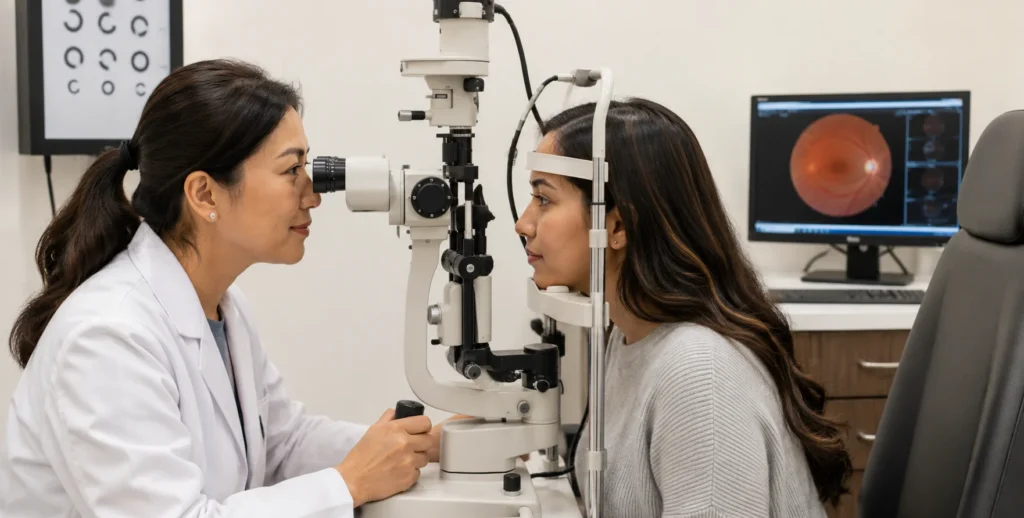
Depending on individual needs, the examination may involve:
* Medical history review
* Visual acuity testing
* Refraction testing
* Eye pressure measurement
* Corneal assessment
* Retinal examination
* Optic nerve evaluation
* Dry eye assessment
* Advanced diagnostic imaging
These tools allow ophthalmologists to evaluate both vision and overall eye health.
At Lee Vision, advanced diagnostic technology helps provide detailed information that supports accurate diagnosis and personalized treatment planning.
The Relationship Between Primary Eye Care and Eye Ophthalmology
Many patients are unfamiliar with the term eye ophthalmology.
Ophthalmology is the medical and surgical specialty dedicated to diagnosing, treating, and managing diseases affecting the eyes and visual system.
Primary eye care often serves as the entry point into comprehensive ophthalmic care.
For example, a routine examination may uncover:
* Cataracts requiring surgical evaluation
* Glaucoma needing ongoing monitoring
* Corneal disease requiring specialized treatment
* Retinal disorders requiring advanced management
How Modern Diagnostic Technology Supports Better Primary Eye Care

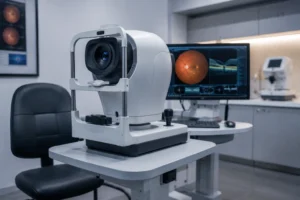
One of the biggest advances in modern eye ophthalmology is the ability to detect disease much earlier than in previous decades.
Many eye conditions begin long before patients notice symptoms. Advanced diagnostic technology allows ophthalmologists to identify subtle changes that may indicate disease progression before vision is permanently affected.
During comprehensive primary eye care evaluations, diagnostic testing may include:
* Digital retinal imaging
* Optical coherence tomography (OCT)
* Corneal mapping
* Visual field testing
* Glaucoma imaging
* Tear film analysis
* Advanced cataract assessment
These technologies provide highly detailed information about structures inside the eye that cannot always be evaluated through a standard vision screening alone.
At Lee Vision in Flushing, Queens, advanced diagnostic technology helps support personalized treatment planning and evidence-based decision making.
Rather than relying on assumptions, ophthalmologists can use objective measurements to monitor disease progression and guide long-term care.
Common Eye Conditions Identified During Primary Eye Care Visits
Many patients assume primary eye care focuses only on glasses prescriptions.
In reality, routine eye examinations frequently uncover medical conditions that require ongoing monitoring or treatment.
Refractive Errors
Refractive errors remain among the most common reasons for eye examinations.
These include:
* Nearsightedness (myopia)
* Farsightedness (hyperopia)
* Astigmatism
* Presbyopia
While often corrected with glasses or contact lenses, changes in refractive error can sometimes signal underlying eye health issues that deserve further investigation.
Cataracts
Cataracts develop when the eye’s natural lens becomes cloudy.
Patients often report:
* Blurred vision
* Glare around lights
* Difficulty driving at night
* Reduced color perception
* Frequent prescription changes
One concern frequently expressed by patients is whether cataracts must be removed immediately after diagnosis.
In many cases, the answer is no.
Cataract surgery is generally considered when visual symptoms begin affecting daily activities, work performance, driving, or quality of life.
Regular primary eye care visits help determine when intervention may become appropriate.
Glaucoma
Glaucoma is often called the “silent thief of sight” because vision loss may occur without noticeable symptoms.
A common conversation in ophthalmology clinics involves patients who feel their vision is perfectly normal but discover early glaucoma during routine testing.
Without treatment, glaucoma can cause permanent optic nerve damage.
Because early detection is critical, glaucoma screening remains an important component of comprehensive primary eye care.
Age-Related Macular Degeneration
Age-related macular degeneration (AMD) affects central vision and becomes increasingly common as people age.
Patients may notice:
* Distorted vision
* Difficulty reading
* Trouble recognizing faces
* Reduced central visual clarity
Early diagnosis can help ophthalmologists monitor progression and recommend appropriate management strategies.
Diabetic Eye Disease
Diabetes can affect the small blood vessels inside the retina.
Many diabetic patients experience no symptoms during the early stages of diabetic retinopathy.
This is why regular primary eye care examinations remain essential for individuals with diabetes.
Even patients with well-controlled blood sugar should maintain recommended eye examination schedules.
Dry Eye Disease
Dry eye disease has become one of the most frequently diagnosed conditions in modern ophthalmology.
Several factors contribute to this trend:
* Increased screen usage
* Indoor climate control
* Aging populations
* Environmental allergies
* Contact lens wear
Patients often describe symptoms such as:
* Burning
* Irritation
* Fluctuating vision
* Redness
* Eye fatigue
Fortunately, many treatment options are available depending on the underlying cause.
Understanding the Unique Eye Health Challenges of NYC Residents
Living in New York City presents unique visual demands that differ from many other parts of the country.
Screen-Heavy Work Environments
Many residents spend eight to twelve hours per day looking at:
* Computers
* Tablets
* Smartphones
* Digital displays
This prolonged near-focus activity can contribute to:
* Eye strain
* Dry eye symptoms
* Headaches
* Visual fatigue
Primary eye care providers increasingly discuss screen habits during examinations because digital lifestyles now play a significant role in eye comfort.
Urban Environmental Factors
Patients in Queens and throughout NYC often encounter environmental conditions that affect ocular health.
These may include:
* Seasonal allergies
* Air pollution
* Wind exposure
* Dry indoor heating
* Air-conditioned office spaces
These factors can worsen dry eye symptoms and contribute to chronic irritation.
Commuter Visual Demands
New York commuters frequently rely on sharp visual performance throughout the day.
Patients often report concerns involving:
* Reading subway signs
* Driving at night
* Visual fatigue after long workdays
* Difficulty adapting between indoor and outdoor lighting
Comprehensive primary eye care helps identify visual issues that may interfere with daily activities and commuting safety.
The Importance of Personalized Treatment Planning
No two patients have identical eyes.
One of the most important principles in modern eye ophthalmology is individualized care.
Patients often ask:
“What is the best treatment?”
The better question is:
“What is the best treatment for my specific situation?”
Treatment recommendations may vary based on:
* Age
* Occupation
* Lifestyle
* Medical history
* Eye anatomy
* Visual goals
* Disease severity
A treatment plan appropriate for a college student may differ significantly from one recommended for a retiree.
Similarly, management strategies for someone working in front of multiple computer monitors may differ from recommendations for a patient who spends most of the day outdoors.
Personalized treatment planning remains a cornerstone of quality primary eye care.
When Patients Should Schedule an Eye Examination
Many patients are uncertain about when to seek professional evaluation.
Scheduling a primary eye care visit is recommended when experiencing:
* Blurred vision
* Eye discomfort
* Redness
* Double vision
* Frequent headaches
* Difficulty reading
* Increased light sensitivity
* Night driving difficulties
* Sudden vision changes
* Persistent dry eye symptoms
Certain symptoms require prompt medical attention.
These include:
* Sudden vision loss
* Flashes of light
* New floaters
* Eye trauma
* Severe pain
* Sudden distortion of vision
Early evaluation can be critical when serious eye conditions are involved.
Primary Eye Care and Long-Term Vision Preservation
One misconception often encountered in ophthalmology is the belief that eye examinations are only necessary when symptoms develop.
In reality, preventive care plays a major role in preserving vision throughout life.
The goal of primary eye care extends beyond improving vision today.
It focuses on protecting vision for years and decades to come.
Long-term monitoring helps ophthalmologists:
* Detect disease earlier
* Track subtle changes
* Adjust treatment plans
* Monitor medication effects
* Preserve visual function
* Reduce the risk of avoidable vision loss
This preventive approach is especially important as life expectancy increases and more individuals remain active well into older adulthood.
Why Experience Matters in Eye Ophthalmology
Patients often focus on technology when selecting an eye care provider.
While advanced technology is important, clinical experience remains equally valuable.
Board-certified ophthalmologists bring years of medical training, surgical education, and clinical experience to patient care.
Experienced physicians frequently recognize subtle findings that may not be immediately obvious.
They understand how symptoms, examination findings, imaging results, and medical history fit together to form a complete clinical picture.
At Lee Vision, Dr. David H. Lee, MD combines advanced diagnostic tools with evidence-based ophthalmology and personalized patient care.
This approach emphasizes:
* Patient safety
* Accurate diagnosis
* Individualized recommendations
* Long-term monitoring
* Vision preservation
Most importantly, treatment decisions are based on medical evidence and the unique needs of each patient rather than a one-size-fits-all approach.
Primary Eye Care vs Specialty Eye Care
Patients frequently ask whether they need primary eye care, specialty care, or both.
The answer depends on their specific needs.
| Primary Eye Care | Specialty Eye Care |
| Routine eye exams | Advanced disease management |
| Vision correction | Cataract surgery |
| Glaucoma screening | Retinal treatment |
| Dry eye evaluation | Corneal procedures |
| Family vision services | Refractive surgery |
| Preventive care | Complex ophthalmic conditions |
Primary eye care often serves as the foundation for ongoing visual health.
When specialized treatment becomes necessary, the transition into advanced ophthalmology care can occur seamlessly.
The result is coordinated care focused on preserving both vision and overall eye health.
Cost Considerations for Primary Eye Care
One of the most common questions patients ask during consultations is:
“How much will my eye care cost?”
The answer depends on several factors, including:
* Type of examination performed
* Diagnostic testing required
* Insurance coverage
* Medical versus routine vision services
* Follow-up care requirements
* Treatment recommendations
A routine primary eye care visit may differ significantly from an evaluation involving glaucoma monitoring, retinal imaging, dry eye testing, or cataract assessment.
Patients should remember that delaying preventive eye care can sometimes result in more complex and costly treatment later if disease progresses unnoticed.
Regular eye examinations are often one of the most cost-effective investments individuals can make in their long-term health.
Understanding Risks and Limitations
A responsible discussion about primary eye care should also address limitations.
No examination can prevent every eye condition.
Even with advanced diagnostic technology and regular monitoring:
* Some diseases may progress unexpectedly.
* Certain conditions develop between appointments.
* Vision changes may occur despite treatment.
* Aging naturally affects the visual system.
This is why ophthalmologists emphasize ongoing monitoring rather than one-time evaluations.
Patients should also understand that glasses, medications, procedures, and surgeries each have their own benefits, risks, and limitations.
Recommendations should always be individualized based on clinical findings and patient needs.
Evidence-based ophthalmology focuses on providing realistic expectations rather than guarantees.
Long-Term Expectations for Eye Health

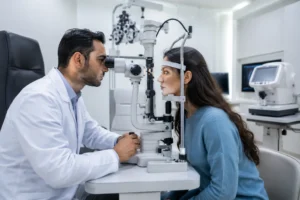
The goal of primary eye care is not simply clearer vision today.
The larger objective is preserving healthy vision throughout life.
Patients who maintain regular examinations often benefit from:
* Earlier disease detection
* Better monitoring of chronic conditions
* More treatment options
* Improved visual function
* Reduced risk of preventable vision loss
For many individuals, especially those over age 40, routine monitoring becomes increasingly important as age-related conditions become more common.
Long-term eye health is often the result of consistent preventive care rather than emergency treatment after symptoms become severe.
Frequently Asked Questions About Primary Eye Care
What is primary eye care?
Primary eye care involves routine eye examinations, vision correction, disease detection, treatment planning, and ongoing monitoring designed to maintain overall eye health and visual function.
How often should adults have an eye examination?
The appropriate schedule varies based on age, medical history, risk factors, and existing eye conditions. Many adults benefit from regular comprehensive eye examinations even when no symptoms are present.
Is primary eye care only for people who wear glasses?
No. Many serious eye diseases develop in people who do not wear glasses and may have no noticeable symptoms during early stages.
What is the difference between primary eye care and family vision services?
Family vision services focus on eye care needs across different age groups, while primary eye care encompasses preventive examinations, disease detection, treatment planning, and long-term monitoring for overall eye health.
Can a routine eye exam detect glaucoma?
Yes. Comprehensive primary eye care examinations often include glaucoma screening, optic nerve evaluation, and other diagnostic assessments that may identify early disease.
Why do my eyes feel tired after using screens?
Extended screen use can contribute to digital eye strain, reduced blinking, dry eye symptoms, and visual fatigue. A comprehensive evaluation can help identify contributing factors.
Are dry eyes common in New York City?
Yes. Many NYC residents experience dry eye symptoms related to prolonged screen use, indoor climate control, environmental irritants, seasonal allergies, and contact lens wear.
When should I seek immediate eye care?
Sudden vision loss, flashes of light, new floaters, eye injuries, severe pain, or sudden visual distortion should be evaluated promptly by an eye care professional.
Can primary eye care help detect diabetes?
Eye examinations cannot diagnose diabetes directly, but diabetic eye changes are sometimes identified during comprehensive retinal evaluations.
What role does an ophthalmologist play in primary eye care?
An ophthalmologist is a medical doctor specializing in eye ophthalmology who can diagnose, monitor, medically manage, and surgically treat a wide range of eye conditions.
Why Comprehensive Primary Eye Care Remains Essential
Many sight-threatening eye conditions begin silently.
By the time symptoms appear, permanent damage may already have occurred.
This reality explains why primary eye care remains one of the most important components of lifelong health maintenance.
Comprehensive examinations help identify visual changes, detect disease earlier, monitor ongoing conditions, and support long-term vision preservation.
For residents of Flushing, Queens, and throughout New York City, maintaining regular eye care is especially important given the visual demands of modern urban lifestyles.
Whether addressing digital eye strain, dry eye symptoms, cataracts, glaucoma concerns, or routine family vision needs, proactive care helps patients make informed decisions about their eye health.
At Lee Vision, Dr. David H. Lee, MD, Board-Certified Ophthalmologist, combines advanced diagnostic technology, personalized treatment planning, and evidence-based ophthalmology to help patients protect their vision safely and responsibly.
The goal is not simply to improve eyesight today, but to support healthy vision for years to come.
