



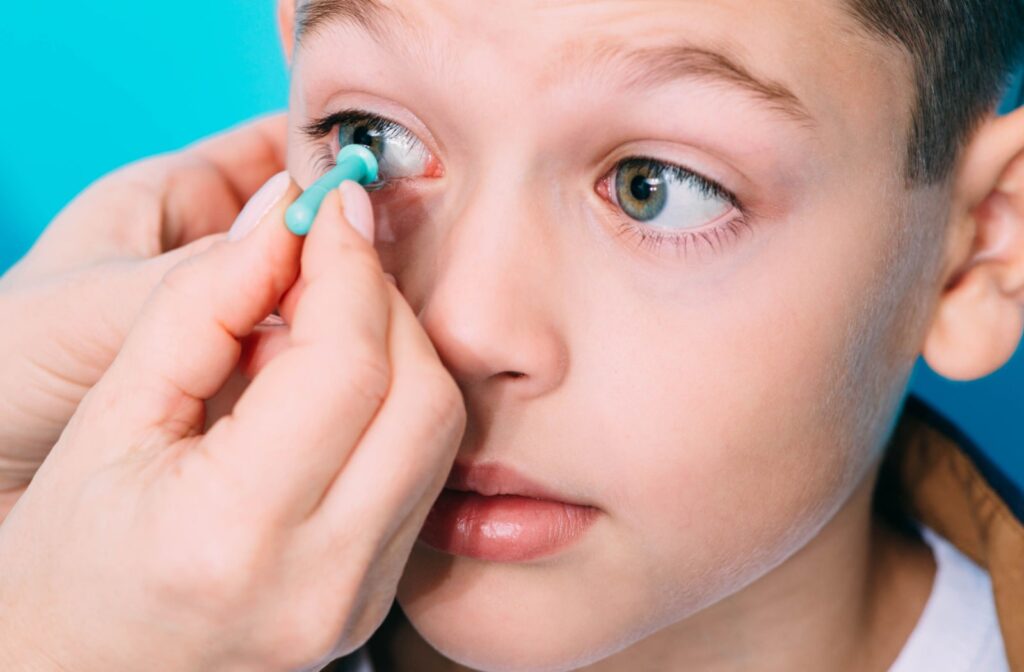
The Complete Guide to Contact Lenses and Eye Drops for Dry Eyes (2026)
Introduction
Dry eyes can make wearing contact lenses uncomfortable, frustrating, and even harmful if not addressed properly. Many patients experience dryness due to environmental factors, prolonged screen time, aging, or lenses that aren’t optimized for their eyes.
At LeeVision, we understand these challenges. This guide helps you navigate:
- The best contact lenses for dry eyes
- Recommended daily wear lenses
- Effective eye drops for contact lens users
- Practical tips for preventing dryness
By following expert guidance, you can enjoy all-day comfort and clear vision, even with prolonged contact lens wear.clearlee
Understanding Dry Eyes
What Are Dry Eyes?
Dry eyes, medically called keratoconjunctivitis sicca, occur when your eyes do not produce enough tears or when tears evaporate too quickly. This leads to discomfort, blurred vision, and sometimes eye infections.
For a deeper understanding, see the American Academy of Ophthalmology – Dry Eyes.
Common Causes of Dry Eyes
- Reduced blinking: Long hours at computers or using smartphones reduces tear distribution.
- Aging: Tear production naturally decreases with age, especially after 40.
- Environmental factors: Dry air, air conditioning, fans, or low humidity can worsen dryness.
- Medications: Some antihistamines, antidepressants, and acne medications reduce tear production.
- Medical conditions: Diabetes, thyroid disorders, autoimmune conditions, and meibomian gland dysfunction can contribute to dry eyes.
Symptoms of Dry Eyes
- Burning or stinging sensations
- Redness or irritation
- Blurred vision, especially after screen use
- Sensitivity to light
- Feeling like something is stuck in your eye
Persistent dryness can increase the risk of eye infections or corneal damage, so early detection and management are crucial. For more information, see WebMD – Dry Eye Treatments. contact lenses for dry eyes
How Contact Lenses Affect Dry Eyes
Wearing contact lenses can sometimes worsen dryness because they absorb moisture from the natural tear film. This may lead to:
- Increased dryness and irritation
- Reduced oxygen flow to the cornea
- Discomfort during prolonged lens wear
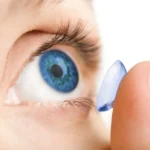
To prevent this, it’s essential to select the right type of lens and maintain proper lens hygiene. LeeVision offers professional contact lens fittings to ensure lenses match your eye type and lifestyle. contact lenses for dry eyes
Choosing the Right Contact Lenses for Dry Eyes
1. Daily Disposable Lenses
Daily disposable lenses are ideal for dry eyes because they:
- Reduce protein and debris build-up
- Provide a fresh lens every day
- Minimize irritation and infection risk
Recommended Daily Disposable Lenses:
- Acuvue Oasys 1-Day with HydraLuxe – Advanced hydration technology
- Dailies Total1 – Water gradient lenses for long-lasting comfort
- Biotrue ONEday – Maintains moisture up to 16 hours
Learn more about LeeVision Contact Lens Fittings to find the perfect lens for your eyes. our home page
2. Soft vs. Rigid Lenses
- Soft lenses: Flexible, comfortable, suitable for mild dry eye
- Rigid Gas Permeable (RGP) lenses: Can help severe dryness, but require adaptation
3. Lens Material Considerations
When choosing lenses, look for:
- High water content to retain moisture
- Oxygen permeability for healthy corneas
- Moisture-locking technology to prevent dryness
4. Tips for Contact Lens Comfort
- Follow the 20-20-20 rule: every 20 minutes, look 20 feet away for 20 seconds
- Use approved lubricating drops before inserting lenses
- Replace lenses as recommended
- Avoid sleeping in lenses unless prescribed
Best Daily Wear Contact Lenses for Dry Eyes
Top daily wear lenses for dry eyes include:
- Acuvue Oasys 1-Day – Excellent for prolonged screen use
- Dailies Total1 – Keeps eyes hydrated all day
- Biotrue ONEday – Maintains moisture for 16+ hours
- Clariti 1-Day – Affordable and high hydration
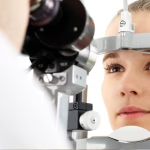
Always consult your optometrist before changing lenses. For guidance on eye health checkups, see LeeVision Eye Exam Services. contact lenses for dry eyes
Eye Drops for Contact Lenses Dry Eyes
Not all eye drops are safe to use with contact lenses. Using the wrong drops can irritate your eyes or damage your lenses.
Types of Eye Drops
- Rewetting drops: Hydrate lenses while in the eye
- Lubricating drops: Provide temporary relief
- Preservative-free drops: Ideal for sensitive eyes
Recommended Eye Drops
- Blink Contacts Lubricating Eye Drops – Refreshes lenses without removal
- Opti-Free Rewetting Drops – Safe for soft lenses
- Systane Contacts Comfort Drops – Reduces irritation
For more options and safe recommendations, visit All About Vision –
Tips to Prevent Dryness While Wearing Contacts
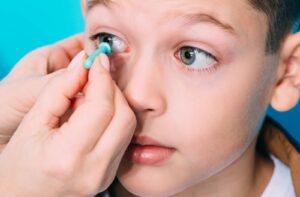
- Wash hands before handling lenses
- Remove lenses if irritation persists
- Take regular breaks from screens
- Stay hydrated and maintain a healthy diet
- Use a humidifier in dry environments
LeeVision offers Dry Eye Treatments to provide professional solutions for dry eye management. contact lenses for dry eyes
Lifestyle Habits to Improve Eye Comfort
- Blink frequently – Especially when using digital devices
- Limit prolonged screen use – Take breaks every 1–2 hours
- Wear protective eyewear – Sunglasses outdoors reduce evaporation
- Adjust your indoor environment – Avoid fans blowing directly on your eyes
When to See an Eye Doctor
Consult a professional if:
- Dryness persists despite drops and lens adjustments
- You experience blurred vision or pain
- Redness or irritation occurs frequently
- Lenses feel uncomfortable despite proper care
Professional care ensures your eyes remain healthy and prevents long-term complications. contact lenses for dry eyes our other website is clearleeperfect asthetics can you learn about us
Common Myths About Dry Eyes & Contact Lenses
- “All eye drops are safe with contacts” – Only use approved drops
- “Rigid lenses worsen dryness” – Can actually help in severe cases
- “Daily lenses aren’t necessary” – Daily lenses reduce protein build-up and irritation
Expert Tips for Combining Lenses and Drops
- Morning: Insert daily disposable lenses
- Midday: Use rewetting drops
- Evening: Remove lenses and use preservative-free drops if needed
Following this routine keeps your eyes hydrated and prevents discomfort. contact lenses for dry eyes
FAQs About Contact Lenses and Dry Eyes
Q1: Can dry eyes be treated without changing lenses?
Yes, sometimes lubricating drops and lifestyle adjustments are enough, but proper lens choice is often the most effective solution.
Q2: Are daily disposable lenses better for dry eyes?
Yes, daily lenses reduce protein build-up and irritation, improving comfort significantly.
Q3: Can I wear contact lenses if I have chronic dry eye?
Yes, with the right lens material, hydration drops, and regular checkups, most patients can wear contacts comfortably.
Q4: Which eye drops are safe for contact lenses?
Only drops labeled “safe for contact lenses” or preservative-free rewetting drops should be used.
Q5: How often should I replace my lenses?
Follow your optometrist’s recommendation: daily lenses every day, bi-weekly or monthly lenses as specified. contact lenses for dry eyes
Conclusion
Managing dry eyes while wearing contact lenses is possible with the right combination of:
- Daily disposable lenses
- Lubricating or rewetting drops
- Healthy habits and lifestyle adjustments
Regular checkups and professional guidance are crucial for long-term eye health.
Take the first step toward comfortable vision—contact us now and enjoy all-day eye comfort.