


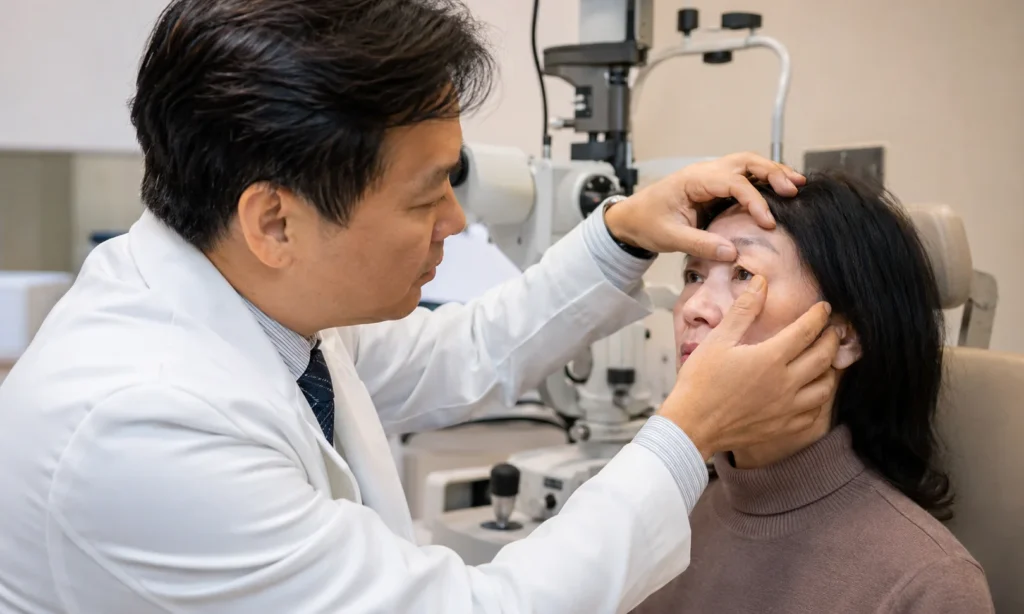
Upper Blepharoplasty: What You Should Know Before Choosing Eyelid Surgery
Most people don’t think much about their upper eyelids until they begin to notice a change. It often starts gradually. You may find yourself lifting your eyebrows to see more clearly, feeling that your eyes look tired even after a good night’s sleep, or noticing loose skin resting on your eyelashes. For some, these changes are cosmetic. For others, they begin to affect everyday activities such as reading, driving, or working on a computer.
During consultations at LeeVision in Flushing, Queens, many patients are surprised to learn that heavy upper eyelids are not always caused by aging alone. Genetics, natural changes in skin elasticity, and the position of the eyebrows can all influence how the upper eyelids look and function. That is why every evaluation begins with understanding the cause before discussing treatment.
Upper blepharoplasty is a surgical procedure that removes excess skin from the upper eyelids and, when appropriate, reshapes the underlying tissue to create a lighter, more natural eyelid contour. While many people seek the procedure for cosmetic reasons, it may also help improve comfort and vision when excess eyelid skin interferes with the upper visual field.
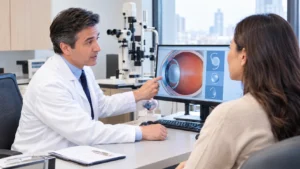
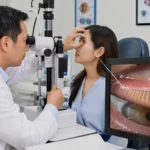
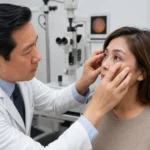
The decision to have eyelid surgery should never be based on appearance alone. A thorough eye examination helps determine whether the concern is truly excess eyelid skin or another condition, such as drooping of the eyelid muscle, which may require a different treatment approach.
What Is Upper Blepharoplasty?
Upper blepharoplasty is one of the most commonly performed eyelid procedures in ophthalmology and oculoplastic surgery. The goal is to remove excess upper eyelid skin while preserving the natural shape and function of the eyes. Depending on your anatomy, a small amount of fat may also be adjusted to reduce fullness or improve eyelid contour.
One question patients frequently ask is whether the surgery will make them look like a different person. In most cases, the answer is no. The objective is to create a rested, natural appearance—not to change your facial identity. A well-planned procedure should allow family and friends to notice that you look refreshed without immediately recognizing that you’ve had surgery.
Because every patient’s eyelids age differently, there is no single surgical plan that works for everyone. Factors such as skin quality, brow position, eye health, tear production, and overall facial anatomy all play an important role in treatment planning.
Who Is a Good Candidate for Upper Blepharoplasty?
Not everyone with drooping upper eyelids needs surgery, but certain signs often suggest it may be worth discussing with an ophthalmologist.
You may be a suitable candidate if you:
- Feel that your upper eyelids become heavy as the day goes on.
- Notice excess skin resting on your eyelashes.
- Find yourself raising your eyebrows to keep your eyes open.
- Have difficulty applying eye makeup because of loose eyelid skin.
- Feel your eyes always appear tired despite getting enough sleep.
- Notice that excess eyelid skin is beginning to affect your upper field of vision.
Functional vs. Cosmetic Reasons for Surgery
Patients often assume upper blepharoplasty is only a cosmetic procedure, but that isn’t always the case.
Some people choose surgery because they want a more refreshed appearance and smoother upper eyelids. Others seek treatment because the excess skin has become heavy enough to interfere with daily activities. Reading for long periods, driving, or working in front of a computer can become more tiring when the upper visual field is partially blocked by loose eyelid skin.
During a consultation, your ophthalmologist will determine whether your concerns are primarily cosmetic, functional, or a combination of both. This distinction is important because it influences surgical planning, recovery expectations, and, in some situations, insurance eligibility.
How Is Upper Blepharoplasty Performed?
Understanding what happens on the day of surgery often helps patients feel more confident about the procedure. Upper blepharoplasty is typically performed as an outpatient procedure, meaning most people return home the same day.
Before surgery, the eyelids are carefully marked while you are sitting upright. These markings allow the surgeon to plan exactly how much skin should be removed while preserving your natural eyelid shape and ensuring the eyes can still close comfortably.
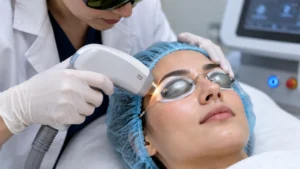
The procedure is usually performed under local anesthesia with or without light sedation, depending on your individual needs and the surgical plan. A small incision is placed within the natural upper eyelid crease, making the scar difficult to notice once healing is complete. Excess skin is removed, and if necessary, small amounts of fat or muscle are carefully adjusted to achieve a balanced, natural result.
Rather than creating a dramatic change, the goal is to restore a refreshed appearance while maintaining the unique characteristics of your face.
How Long Does the Procedure Take?
For most patients, upper blepharoplasty takes approximately 45 to 90 minutes, depending on whether one or both eyelids are treated and whether additional procedures are performed at the same time.
After surgery, you’ll spend a short period in the recovery area before returning home with detailed post-operative instructions.
What Is Recovery Like After Upper Blepharoplasty?
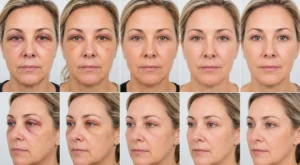
Recovery is one of the topics patients ask about most often. While everyone’s healing process is slightly different, most people experience gradual improvement over several weeks.
Swelling and bruising are expected during the first few days and usually improve steadily with proper aftercare. Applying cold compresses, sleeping with your head elevated, and following your surgeon’s instructions can help support normal healing.
Many people searching online for upper blepharoplasty recovery photos day by day want to know whether their healing is normal. Although recovery photos can provide a general idea of what to expect, they should never be used to compare your results directly with someone else’s. Healing depends on factors such as age, skin quality, overall health, and how your body naturally recovers after surgery.
Upper Blepharoplasty Recovery Timeline
| Recovery Stage | What You Can Expect |
|---|---|
| Day 1 | Mild swelling, tightness, and light bruising are common. Cold compresses are usually recommended. |
| Days 2–7 | Bruising may become more noticeable before gradually fading. Swelling often begins to improve toward the end of the first week. |
| Weeks 2–4 | Most swelling has decreased, and many patients feel comfortable returning to normal social activities. |
| 1–3 Months | The incision continues to soften, and the final eyelid contour becomes more noticeable as healing progresses. |
It’s important to remember that recovery timelines are averages. Some patients heal faster, while others require additional time before the final results become apparent.
Blepharoplasty Upper Cost: What Factors Affect the Price?
One of the first questions patients ask is, “How much does upper eyelid surgery cost?” The answer depends on several factors, which is why a personalized consultation is essential before discussing pricing.
The blepharoplasty upper cost can vary based on the complexity of the procedure, the surgeon’s experience, the surgical facility, anesthesia, and whether the surgery is performed for cosmetic or functional reasons. If excess eyelid skin significantly affects your vision, additional testing may determine whether insurance benefits apply. Cosmetic procedures, however, are generally paid for out of pocket.
Rather than comparing prices alone, it’s worth considering what is included in your care. A comprehensive evaluation, careful surgical planning, follow-up visits, and an experienced ophthalmic surgeon all contribute to patient safety and long-term satisfaction.
What Are the Benefits and Risks of Upper Blepharoplasty?

Like any surgical procedure, upper blepharoplasty offers important benefits, but it also has limitations and potential risks. Understanding both sides helps patients make informed decisions.
Benefits
Many patients choose upper blepharoplasty because it may:
- Reduce the feeling of heavy upper eyelids.
- Create a more rested and natural appearance.
- Improve the upper field of vision when excess skin is obstructing sight.
- Make everyday activities such as reading or driving more comfortable.
- Improve the fit of glasses or make applying eye makeup easier for some patients.
Possible Risks
Although complications are uncommon when surgery is performed by an experienced ophthalmologist, every surgical procedure carries some risk. These may include:
- Temporary swelling and bruising.
- Dry eye symptoms during the healing period.
- Mild asymmetry while the eyelids heal.
- Infection or bleeding, which is uncommon.
- Scarring, although the incision is typically hidden within the natural eyelid crease.
Following post-operative instructions and attending scheduled follow-up appointments are important steps in supporting a smooth recovery.
Choosing the Right Ophthalmologist for Upper Blepharoplasty
Upper blepharoplasty is more than a cosmetic procedure—it involves delicate eyelid structures that help protect the eyes and support normal vision. Choosing a surgeon with expertise in both eye health and eyelid surgery is an important part of achieving a safe, natural result.
At LeeVision in Flushing, Queens, Dr. David H. Lee, MD, a Board-Certified Ophthalmologist, evaluates each patient individually before recommending treatment. Using advanced diagnostic technology and evidence-based care, the goal is to determine whether surgery is appropriate and to develop a treatment plan that matches the patient’s anatomy, visual needs, and long-term eye health.
The best outcomes begin with realistic expectations, a thorough examination, and a clear understanding of both the benefits and limitations of surgery.
Frequently Asked Questions About Upper Blepharoplasty
Is upper blepharoplasty worth it?
For many patients, upper blepharoplasty is worth considering when excess upper eyelid skin affects vision, comfort, or confidence. During a consultation, your ophthalmologist will determine whether surgery is likely to address your specific concerns or if another eyelid condition requires a different treatment.
How much does upper blepharoplasty cost?
The blepharoplasty upper cost varies depending on several factors, including the complexity of the procedure, the surgeon’s experience, anesthesia, and whether the surgery is cosmetic or medically necessary. A personalized consultation is the best way to receive an accurate treatment plan and cost estimate.
Can insurance cover upper blepharoplasty?
Insurance may cover upper blepharoplasty when excess eyelid skin significantly obstructs the visual field and medical criteria are met. Your ophthalmologist may perform visual field testing and eyelid measurements to determine whether functional surgery qualifies for insurance coverage.
What do upper blepharoplasty recovery photos day by day usually show?
Patients searching for upper blepharoplasty recovery photos day by day generally want to know whether their healing is progressing normally. Most recovery photos show mild swelling and bruising during the first week, noticeable improvement over the next two to four weeks, and continued refinement of the eyelid appearance over the following months. Keep in mind that every patient’s recovery is unique.
How long does upper blepharoplasty recovery take?
Most patients can resume many normal daily activities within one to two weeks, although mild swelling may continue to improve over several weeks. Final healing and scar maturation can continue for several months.
Will upper blepharoplasty leave noticeable scars?
Incisions are typically placed within the natural upper eyelid crease, making scars difficult to see once healing is complete. Following your surgeon’s post-operative instructions helps support the best possible healing.
Does upper blepharoplasty make you look younger?
The purpose of upper blepharoplasty is not to change your appearance dramatically. Instead, it removes excess eyelid skin that can make the eyes appear heavy or tired, creating a naturally refreshed look while preserving your facial expression.
Is upper blepharoplasty painful?
Most patients report mild discomfort rather than significant pain. Temporary tightness, swelling, and bruising are common during the first few days and usually improve with prescribed medications and proper aftercare.
How long do the results of upper blepharoplasty last?
Although the natural aging process continues, the results of upper blepharoplasty are generally long-lasting. Maintaining good eye health and protecting your skin from excessive sun exposure may help preserve your results over time.
How do I know if I’m a good candidate for upper blepharoplasty?
The best candidates are individuals with excess upper eyelid skin that affects appearance, comfort, or vision while maintaining good overall eye health. A comprehensive evaluation by Dr. David H. Lee, MD, at LeeVision in Flushing, Queens, includes an assessment of your eyelids, tear film, vision, and overall ocular health to determine whether upper blepharoplasty is the most appropriate treatment for your needs.