



Presbyopia Eye Drops in 2026: Can Eye Drops Improve Near Vision?
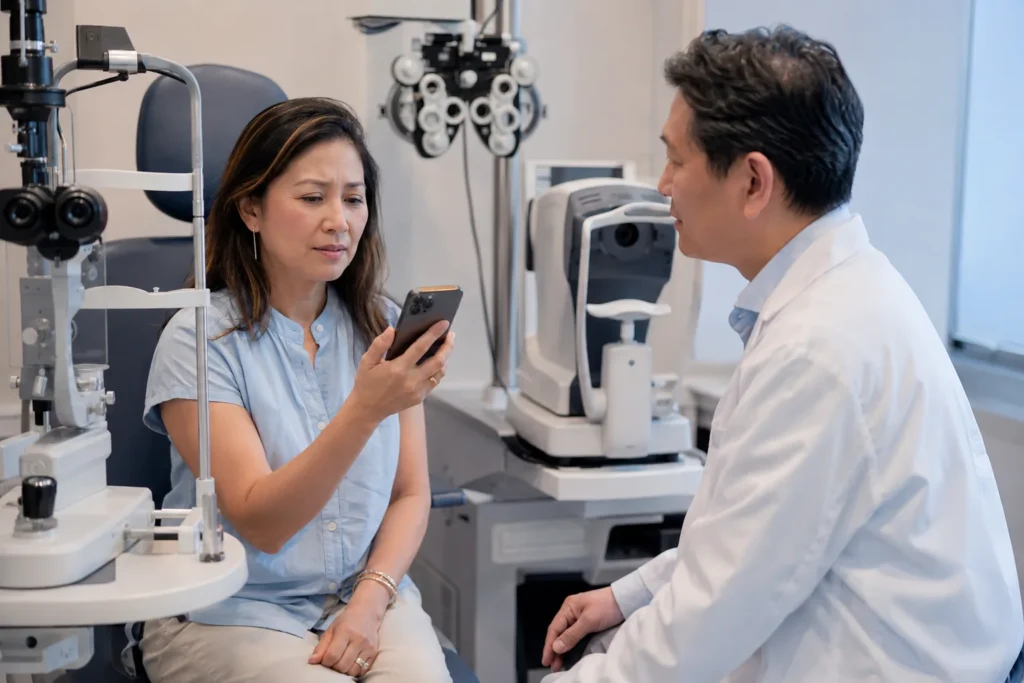
You pick up your phone and notice that small text looks clearer when you hold it farther away. Restaurant menus need brighter light, and reading for long periods feels more tiring than it used to.
These are common signs of presbyopia, an age-related change in near focusing ability that often becomes noticeable after age 40.
At LeeVision in Flushing, Queens, patients often ask whether presbyopia eye drops can help them read more clearly without constantly reaching for reading glasses. In 2026, prescription eye drops are an option for some adults, but they are not suitable for every patient.
Dr. David H. Lee, MD, Board-Certified Ophthalmologist, evaluates the entire eye before recommending treatment. This is important because blurry near vision may also be affected by dry eye, cataracts, or other changes in eye health.
What Is Presbyopia?
Presbyopia occurs when the natural lens inside the eye gradually loses flexibility. A younger lens can change focus easily between distant and nearby objects. With age, this focusing ability becomes weaker.
Common Signs of Presbyopia
- Holding your phone or book farther away
- Difficulty reading small print
- Needing brighter light for close work
- Eye fatigue after reading
- Headaches during prolonged near tasks
- Trouble shifting focus between a screen and distant objects
For many people in Flushing and NYC, long hours on smartphones and computers make these changes more noticeable.
What Are Presbyopia Eye Drops?
Presbyopia eye drops are prescription medications designed to temporarily improve near vision in adults with presbyopia.
Certain drops work by making the pupil smaller. This creates a “pinhole effect,” increasing depth of focus and helping nearby objects appear clearer.
However, these drops do not cure presbyopia or reverse aging of the eye’s natural lens. Their effect is temporary, and results can vary between patients.
Who May Benefit From Presbyopia Eye Drops?
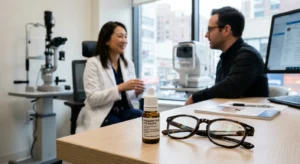
Presbyopia drops may be considered for adults who want a non-surgical option for age-related near vision problems.
An ophthalmologist may evaluate:
- Near and distance vision
- Degree of presbyopia
- Retinal health
- Cataract development
- Previous eye surgery
- Dry eye symptoms
- Night-driving needs
- Daily screen and reading habits
A complete eye examination is important before treatment. Certain pupil-constricting eye drops may not be appropriate for patients with specific retinal or eye conditions.
Presbyopia Eye Drops vs. Reading Glasses
| Treatment | Main Benefit | Limitation |
|---|---|---|
| Presbyopia eye drops | Temporary near-vision improvement | Effects and side effects vary |
| Reading glasses | Simple, predictable correction | Must be worn for near tasks |
| Progressive lenses | Correct multiple viewing distances | May require adaptation |
| Contact lenses | Can reduce dependence on readers | May worsen dryness in some patients |
The best option depends on how you use your vision. Someone working all day on a computer may have different needs from a patient who mainly wants help reading menus or checking a phone.
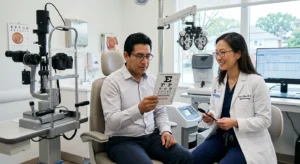
Presbyopia or Dry Eye? Know the Difference
Presbyopia and dry eye can both cause blurry vision, but they are different eye problems.
| Presbyopia | Dry Eye |
| Near vision becomes difficult | Vision may fluctuate |
| Holding text farther away may help | Blinking may temporarily improve clarity |
| Age-related focusing change | Tear-film problem |
| Burning is uncommon | Burning and irritation are common |
| Gritty feeling is uncommon | Gritty or sandy feeling may occur |
Some patients have both presbyopia and dry eye. This is why an accurate diagnosis matters before choosing eye drops.
What Is the Best Eye Drops for Dry Eye?
Patients often ask, “what is the best eye drops for dry eye?” The answer depends on the cause of dryness.
Artificial tears may help mild dryness, while preservative-free drops are often considered when frequent lubrication is needed. Gel drops or ointments may provide longer-lasting moisture but can temporarily blur vision.
Finding an eye drop for dry eyes best suited to your symptoms requires evaluating the tear film and ocular surface. Burning, irritation, gritty sensation, and fluctuating vision may point toward dry eye rather than presbyopia alone.
Best Drops for Dry Eyes After Cataract Surgery
Patients also search for the best drops for dry eyes after cataract surgery when they experience irritation, burning, or a gritty feeling during recovery.
Lubricating eye drops may help some patients, but postoperative medications and timing must be considered. Never replace prescribed cataract surgery drops with over-the-counter products without discussing the change with your ophthalmologist.
Persistent pain, sudden vision loss, new flashes, or a sudden increase in floaters requires prompt eye evaluation.
How Are Presbyopia Eye Drops Diagnosed and Prescribed?
There is no single vision test that automatically tells an ophthalmologist whether presbyopia eye drops are the best choice.
A comprehensive eye examination may include near and distance vision testing, refraction, pupil evaluation, and examination of the retina and other eye structures.
At LeeVision in Flushing, Queens, Dr. David H. Lee, MD uses advanced diagnostic technology and personalized treatment planning to understand whether blurred near vision is caused by presbyopia alone or is affected by dry eye, cataracts, or another eye condition.
Questions Your Ophthalmologist May Ask
Patients may be asked:
- When did near vision become blurry?
- Does blinking improve visual clarity?
- Do you currently use reading glasses?
- Do you drive frequently at night?
- Have you had cataract or refractive surgery?
- Do your eyes burn, sting, or feel gritty?
- How many hours do you spend on digital screens?
These details help match treatment to the patient’s actual visual needs.
Benefits of Presbyopia Eye Drops

For carefully selected adults, pr
escription presbyopia drops may offer several practical benefits.
They may temporarily improve near vision, reduce dependence on reading glasses for certain tasks, and provide a non-surgical treatment option.
For a busy NYC patient, this may be useful when checking a phone, reading a menu, or completing short periods of close work.
However, the goal is not to promise perfect vision.
The goal is to improve functional near vision while maintaining patient safety and realistic expectations.
Risks and Limitations of Presbyopia Eye Drops
Like other prescription medications, presbyopia eye drops can cause side effects.
Possible concerns may include:
- Headache
- Eye redness
- Temporary blurred vision
- Eye irritation
- Dim vision in low light
- Difficulty with some nighttime visual tasks
Rare but serious retinal complications have also been associated with certain pupil-constricting medications. Sudden flashes, new floaters, a curtain-like shadow, or sudden vision loss require urgent ophthalmic evaluation.
Are Presbyopia Drops Good for Night Driving?
Not for every patient.
Because certain drops make the pupil smaller, vision in dim environments may feel different. This can be important for patients who regularly drive at night or commute during early morning and evening hours.
Your daily routine should be discussed before treatment is prescribed.
Presbyopia Eye Drops vs. Other Treatment Options
Eye drops are only one way to manage presbyopia.
| Option | May Be Considered For |
|---|---|
| Presbyopia eye drops | Adults seeking temporary, non-surgical near-vision help |
| Reading glasses | Predictable correction for close tasks |
| Progressive glasses | Near, intermediate, and distance vision |
| Contact lens strategies | Patients comfortable with contact lenses |
| Surgical options | Selected patients seeking broader vision correction |
There is no universally “best” treatment.
Age, eye health, prescription, cataract status, dry eye, lifestyle, and visual expectations all influence the decision.
Can You Use Presbyopia Eye Drops With Dry Eye?
Possibly, but dry eye should not be ignored.
A poor tear film can cause burning, irritation, gritty sensation, and fluctuating vision. These symptoms may make it difficult for a patient to judge whether a presbyopia treatment is providing consistent visual improvement.
Patients often ask what is the best eye drops for dry eye, but treatment depends on the type and severity of dry eye disease.
The eye drop for dry eyes best suited to one patient may not be appropriate for another. An ocular surface evaluation can help identify whether lubrication or additional dry eye treatment is needed.
What About Dry Eye After Cataract Surgery?
Dryness and ocular surface irritation can affect visual comfort after cataract surgery.
When patients search for the best drops for dry eyes after cataract surgery, they are often experiencing burning, scratchiness, or vision that seems to fluctuate.
Artificial tears or preservative-free lubricating drops may be considered in some cases. However, cataract patients should follow their surgeon’s postoperative medication instructions.
Do not stop or replace prescribed postoperative eye drops without medical guidance.
Frequently Asked Questions About Presbyopia and Eye Drop Treatment
Can eye drops really improve age-related near vision?
Prescription drops may temporarily improve near focus in selected adults. The effect depends on the medication, eye health, and degree of age-related focusing loss. These medications do not permanently restore the flexibility of the natural lens.
At what age does presbyopia usually begin?
Most adults begin noticing changes in close-up vision during their 40s. Small print may become harder to read, and patients often find themselves holding a phone or menu farther away.
How long does the near-vision effect of prescription drops last?
Duration varies according to the specific medication and individual response. Your ophthalmologist can explain the expected onset and duration based on the prescribed treatment.
Will I still need reading glasses?
Possibly. Some adults may rely less on readers for short near tasks, while others still prefer glasses for prolonged computer work, detailed reading, or very small print.
What is the best eye drops for dry eye?
Patients asking what is the best eye drops for dry eye should know that treatment depends on the cause of tear-film instability. Artificial tears, preservative-free lubricants, gels, or prescription therapy may be considered after an ocular surface evaluation.
Can dry eyes cause blurry vision while reading?
Yes. Tear-film instability can make vision fluctuate, especially during prolonged smartphone or computer use. If clarity briefly improves after blinking, dry eye may be contributing to the problem.
Which eye drop for dry eyes best fits frequent computer users?
Choosing an eye drop for dry eyes best suited to frequent screen use depends on symptoms and ocular surface health. Preservative-free artificial tears may help some patients, but persistent burning, irritation, or a gritty sensation deserves an eye examination.
What are the best drops for dry eyes after cataract surgery?
The best drops for dry eyes after cataract surgery depend on the patient’s recovery and current postoperative medications. Lubricating drops may be recommended in some cases, but they should not replace medications prescribed by the cataract surgeon.
Can I use near-vision drops if I already have dry eye?
Some patients may be candidates, but the ocular surface should be evaluated first. Untreated dryness can cause inconsistent visual clarity and may affect how a patient experiences near-vision treatment.
Are prescription near-vision drops safe for night driving?
Certain pupil-constricting medications may affect vision in dim lighting. Patients who frequently drive at night should discuss their routine and visual demands with an ophthalmologist before starting treatment.
Can these eye drops cause headaches?
Headache is a possible side effect of certain prescription medications that change pupil size. Eye irritation, temporary blur, or changes in low-light vision may also occur.
Who should be cautious about using near-vision eye drops?
Patients with certain retinal conditions, previous eye procedures, or other ocular health concerns may require additional evaluation. A comprehensive examination helps determine whether treatment is appropriate.
Are eye drops better than progressive lenses?
Not necessarily. Progressive lenses provide optical correction at several distances, while prescription drops may temporarily support near vision in selected adults. The better option depends on lifestyle and visual goals.
When should I see an ophthalmologist for blurry near vision?
Schedule an eye examination when close-up vision becomes consistently difficult or when blurred vision occurs with pain, significant redness, flashes, new floaters, or sudden vision loss. These symptoms should not be assumed to be a normal part of aging.