










Double Jaw Surgery: Complete Guide to Procedure, Cost, Recovery & Results
Double jaw surgery, medically known as orthognathic surgery, is a complex but highly effective procedure used to correct misalignment of the upper and lower jaws. It is often recommended when jaw irregularities affect chewing, speech, facial balance, or breathing.
This comprehensive guide explains everything you need to know about double jaw surgery, including cost, recovery, risks, and real-world expectations—especially for patients considering treatment in the USA under modern hospital surgical standards.

What is Double Jaw Surgery?
Double jaw surgery is a form of maxillofacial surgery procedure that involves repositioning both the upper jaw (maxilla) and lower jaw (mandible) to improve function and facial harmony.
Unlike single-jaw procedures, this surgery addresses more complex skeletal issues such as:
- Severe underbite or overbite correction
- Facial asymmetry
- Open bite or crossbite
- Jaw alignment surgery for chewing difficulties
- Breathing issues like sleep apnea (in some cases)
The goal is not purely cosmetic. In fact, most cases are medically indicated to restore proper bite function and long-term oral health.
According to guidance from the American Association of Oral and Maxillofacial Surgeons, orthognathic procedures are considered standard treatments when jaw misalignment impacts function, health, or quality of life.
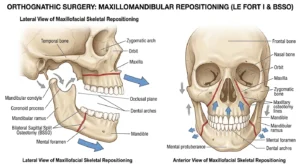
Who Needs Orthognathic Jaw Surgery?
Not everyone with jaw irregularities needs surgery. However, candidates typically include patients with:
- Severe jaw misalignment not correctable with braces alone
- Chronic jaw pain or TMJ disorders
- Difficulty chewing or biting food properly
- Noticeable facial imbalance or jaw protrusion
- Speech impairment due to jaw structure
- Sleep-disordered breathing issues
In many cases, orthodontic treatment is combined with surgery for optimal results. A coordinated plan between orthodontists and maxillofacial surgeons is essential for success.
Double Jaw Surgery Cost Explained
The double jaw surgery cost varies significantly depending on the country, hospital type, surgeon expertise, and complexity of the case.
In the United States, costs are generally higher due to hospital fees, anesthesia, and specialist care. However, many cases may be partially covered by insurance when medically necessary.
Key factors affecting cost:
- Surgeon experience and certification
- Hospital stay duration
- Severity of jaw misalignment
- Pre- and post-orthodontic treatment
- Imaging and diagnostic tests
Leading medical institutions such as the Mayo Clinic emphasize that treatment planning is highly individualized, which directly affects final pricing.
Cost Comparison Table
Table 1: Jaw Condition vs Treatment Type vs Estimated Cost
| Jaw Condition | Treatment Type | Estimated Cost (USA) |
|---|---|---|
| Mild bite misalignment | Orthodontics only | $3,000 – $8,000 |
| Moderate underbite/overbite | Single jaw surgery | $15,000 – $30,000 |
| Severe jaw misalignment | Double jaw surgery | $25,000 – $60,000+ |
| Complex facial reconstruction | Advanced orthognathic surgery | $40,000 – $80,000+ |
These ranges may vary depending on hospital-based surgical standards, insurance coverage, and geographic location within the USA.
Double Jaw Surgery in USA: What to Expect
When considering double jaw surgery in USA, patients typically undergo treatment in accredited hospitals with certified oral and maxillofacial surgeons.
The process usually includes:
- Detailed 3D imaging (CT scans)
- Orthodontic preparation (braces before surgery)
- Hospital-based surgical procedure
- Post-surgical hospital stay (1–3 days typically)
- Long-term orthodontic finishing
Patients are treated under strict hospital surgical protocols to ensure safety, infection control, and optimal recovery outcomes.
If you’re exploring clinics or specialists, you can learn more about treatment approaches here:
Double Jaw Surgery Before and After Results

The transformation after double jaw surgery before and after is often both functional and aesthetic.
Common improvements include:
- Balanced facial symmetry
- Improved jawline definition
- Corrected bite alignment
- Better speech clarity
- Enhanced breathing function
- Reduced strain on jaw joints
However, results take time to fully stabilize. Swelling and healing phases can temporarily mask final outcomes.
Patients should expect gradual improvement over several months, not instant transformation.
Surgical Procedure Step-by-Step
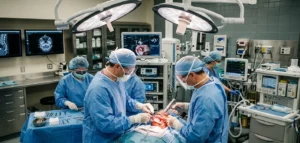
Double jaw surgery is performed in a hospital operating room under general anesthesia.
Step-by-step process:
- Pre-surgical planning
- Digital imaging and bite analysis
- Orthodontic alignment preparation
- Anesthesia administration
- General anesthesia ensures patient comfort
- Upper jaw repositioning
- Maxilla is carefully moved into correct alignment
- Lower jaw adjustment
- Mandible is repositioned for proper bite function
- Fixation
- Titanium plates and screws stabilize jaw bones
- Closing and recovery monitoring
- Patient moved to recovery room for observation
This procedure is highly specialized and typically performed by experts in maxillofacial surgery teams.
Recovery Timeline and Healing Process
Recovery is one of the most important parts of the journey. Healing after jaw surgery takes time and patience.
Table 2: Recovery Stage vs Timeline vs Symptoms
| Recovery Stage | Timeline | Symptoms |
|---|---|---|
| Immediate recovery | 1–7 days | Swelling, fatigue, mild discomfort |
| Early healing | 2–4 weeks | Reduced swelling, soft diet required |
| Functional recovery | 1–3 months | Improved jaw movement, numbness fades |
| Full recovery | 6–12 months | Final facial structure stabilization |
Key recovery notes:
- Swelling peaks within first week
- Soft or liquid diet required initially
- Speech may be temporarily affected
- Full bone healing takes several months
Risks and Possible Complications
Like any major surgery, double jaw surgery carries potential risks. These are rare when performed by experienced surgeons but should be understood clearly.
Possible complications include:
- Temporary or permanent numbness in lower lip or chin
- Infection at surgical site
- Minor relapse of jaw position
- Swelling or bruising
- Difficulty eating during early recovery
- Jaw stiffness or limited movement
Professional organizations like American Association of Oral and Maxillofacial Surgeons emphasize the importance of proper surgical planning and follow-up care to reduce risks significantly.
Benefits of Jaw Alignment Surgery
Despite being a major procedure, the benefits of jaw alignment surgery are often life-changing for eligible patients.
Functional benefits:
- Improved chewing efficiency
- Better bite alignment
- Reduced jaw joint stress
- Enhanced speech clarity
Aesthetic benefits:
- Balanced facial proportions
- Improved profile symmetry
- Stronger jawline definition
Long-term health benefits:
- Reduced risk of TMJ disorders
- Improved airway function in some patients
- Better long-term dental health
Jaw Surgery Risks and Benefits Overview
Double jaw surgery is a balance between functional improvement and surgical risk.
- Benefits outweigh risks in medically indicated cases
- Recovery requires patience and discipline
- Long-term outcomes are generally stable when properly planned
Proper consultation with a certified surgical team is essential before making any decision.
Recovery Experience & Patient Expectations
Healing after jaw surgery is not just physical—it also includes emotional adjustment.
Many patients experience:
- Temporary facial swelling changes appearance
- Dietary limitations (soft foods only)
- Gradual return to normal speech and activity
- Periodic follow-up visits for monitoring
Patients are encouraged to maintain realistic expectations and follow post-operative instructions carefully.
Frequently Asked Questions (FAQs)
What is double jaw surgery?
Double jaw surgery is a corrective procedure that repositions both upper and lower jaws to improve function, bite alignment, and facial symmetry.
How much does double jaw surgery cost?
In the USA, the cost typically ranges from $25,000 to $60,000+, depending on complexity and hospital fees.
How painful is double jaw surgery recovery?
Pain is usually manageable with medication. Most patients describe discomfort rather than severe pain during early recovery.
How long does it take to recover from jaw surgery?
Initial recovery takes 2–4 weeks, but full healing may take 6–12 months.
Is double jaw surgery safe?
Yes, when performed by experienced maxillofacial surgeons in hospital settings, it is considered a safe and well-established procedure.
Who needs double jaw surgery?
Patients with severe bite problems, facial imbalance, or jaw dysfunction that cannot be corrected with orthodontics alone may need surgery.
Final Thoughts: Is Double Jaw Surgery Right for You?
Double jaw surgery is a significant medical procedure that requires careful evaluation, planning, and expert surgical care. While recovery takes time, the long-term improvements in function, comfort, and facial balance can be substantial for the right candidates.
A personalized consultation with a qualified specialist is the first step toward understanding whether this treatment is appropriate for your condition. Every case is unique, and surgical planning must always be based on clinical assessment rather than general information alone.