





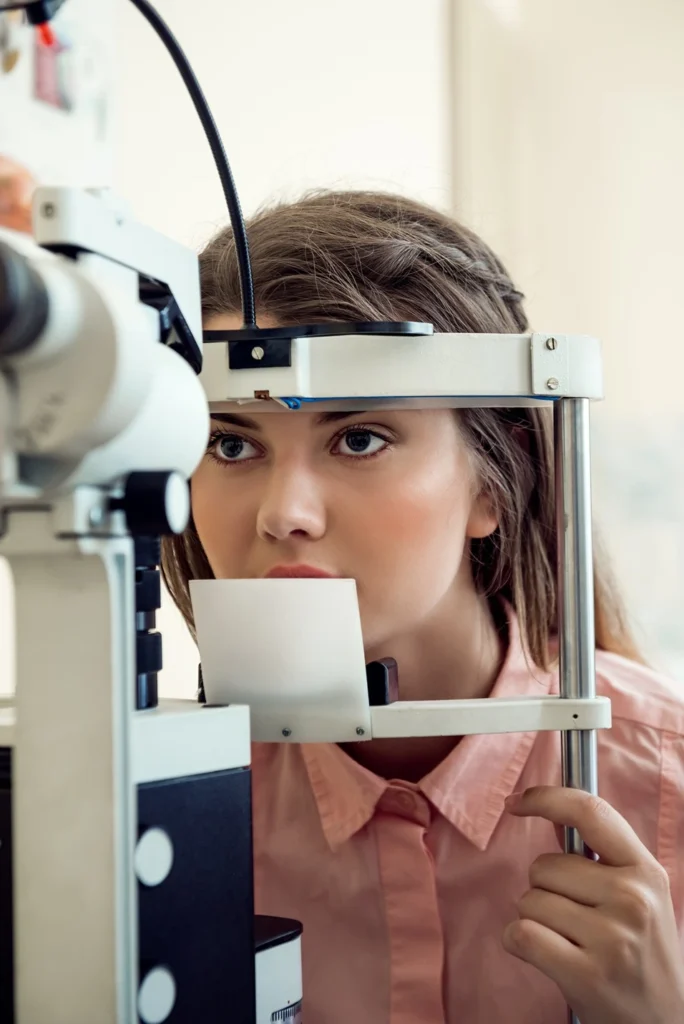
How Long Does an Eye Exam Take
Introduction
Regular eye exams are an essential part of maintaining good vision and overall eye health. Many people only visit an eye doctor when they notice vision problems, but routine checkups can help detect issues early before they become serious.
Eye exams are becoming more popular as people become more aware of conditions like blurry vision, digital eye strain, and age-related eye diseases. These exams not only help improve eyesight but also support long-term eye health and quality of life.
The duration of an eye exam can vary depending on the type of test, your age, and your eye health condition. Understanding what affects the timing helps you better plan your visit and choose the right type of exam based on your needs.
How Long Does an Eye Exam Typically Take
On average, a standard eye exam takes 20 to 60 minutes.
- A basic vision test is usually quick and may take around 15–20 minutes
- A comprehensive eye exam can take 30–60 minutes or more, depending on additional testing
The time depends on how detailed the examination is and whether the eye doctor needs to perform extra diagnostic tests.
Quick Vision Tests
Quick eye exams are usually done when you only need a prescription check or basic vision update.
Duration: 15–20 minutes
Includes:
- Reading eye charts
- Basic refraction test
- Simple prescription update
These exams are often used for people with no major eye problems.
Comprehensive Eye Exams
A comprehensive eye exam provides a complete check of your vision and eye health.
Duration: 30–60 minutes
Includes:
- Detailed vision testing
- Eye muscle coordination check
- Retina and optic nerve examination
- Screening for diseases like Glaucoma
- Checking for early signs of Cataract
These exams are recommended for most adults and are especially important if you have vision changes or risk factors.
Factors That Affect Eye Exam Duration
Several factors can make your eye exam shorter or longer:
- Age: Children and older adults may need more detailed testing
- Eye health condition: Existing issues require extra evaluation
- Type of exam: Routine vs advanced diagnostic exams
- First visit vs follow-up: First-time visits usually take longer
- Additional tests: Imaging or dilation increases total time
What Happens During an Eye Exam?
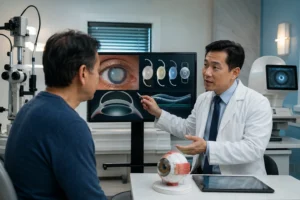
An eye exam is a step-by-step process designed to evaluate both vision and eye health.
1. Patient History Review
The doctor asks about:
- Vision problems
- Medical history
- Family history of eye diseases
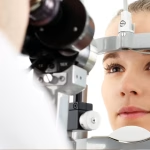
2. Vision Testing
- Reading letters on an eye chart
- Checking how clearly you see at different distances
- Determining your prescription
3. Eye Health Examination
- Checking the front and back of the eye
- Examining retina and optic nerve
- Screening for diseases like Dry Eye Syndrome
4. Additional Testing (if needed)
- Eye pressure test
- Retinal imaging
- Dilation drops for deeper examination
How Long Do Specific Eye Tests Take?
- Refraction test: 5–10 minutes
- Eye dilation process: 20–30 minutes (including waiting time)
- Contact lens fitting: 10–20 minutes extra
- Eye pressure test (glaucoma screening): 5–10 minutes
Each test adds to the total duration depending on your eye condition.
Tips to Make Your Eye Exam Faster
You can reduce waiting and exam time by:
- Bringing your previous prescription
- Sharing your medical history in advance
- Arriving early to complete paperwork
- Following doctor instructions (like removing contact lenses beforehand)
When Should You Expect a Longer Eye Exam?
Some situations naturally require more time:
- First-time patients
- Patients with vision complications
- People at risk of eye diseases
- Pediatric eye exams (children need extra attention)
- Advanced screenings for conditions like glaucoma or retina issues
How Often Should You Get an Eye Exam?
- Adults (18–60 years): Every 1–2 years
- Children: Regular checkups for healthy vision development
- Seniors (60+): At least once a year
Regular exams help detect problems early and maintain clear vision over time.
Conclusion
So, how long does an eye exam take? In most cases, it takes between 20 to 60 minutes, depending on the type of exam and your eye health condition.
Whether it’s a quick vision check or a detailed eye health evaluation, regular eye exams are essential for protecting your eyesight and preventing serious conditions in the future. Scheduling routine checkups ensures that your vision stays healthy and clear for years to come.