


Laser Skin Resurfacing in New York: Complete Guide
Laser skin resurfacing has become one of the most sought-after cosmetic treatments for improving skin texture, reducing wrinkles, addressing sun damage, and tightening loose skin. Whether you live in New York or are researching non-surgical skin rejuvenation, this guide covers everything from what laser skin resurfacing is, how it works, what to expect during recovery, and how to choose the best laser skin resurfacing option for your needs.
This comprehensive guide will walk you through every major point you need to know—in clear, user-friendly language—so you can make an informed decision about this popular cosmetic procedure. For more information on aesthetic treatments, you can also check out Lee Vision’s services page.
What Is Laser Skin Resurfacing?
Laser skin resurfacing is a medical procedure where focused laser energy is used to remove damaged outer layers of skin and stimulate the growth of new, healthier skin beneath. It targets issues like
-
Fine lines and wrinkles
-
Uneven skin tone & texture
-
Sun damage (age spots / pigmentation)
-
Acne scars and other scar tissue
-
Loose or lax skin by stimulating collagen production
The laser removes or heats the top layer of skin and promotes collagen formation—the protein responsible for skin firmness and elasticity—resulting in smoother, more youthful-looking skin. Learn more about the science behind laser treatments on Mayo Clinic.
Lasers come in different varieties depending on how deep they penetrate the skin:
-
Ablative Lasers—Remove the outer skin layers for more dramatic results.
-
Non-ablative Lasers—Work deeper beneath the surface without removing the top layer.
-
Fractional Lasers—Treat portions of the skin in grid-like patterns for faster healing and fewer side effects.
Each type has its strengths and recovery expectations, which will be explained below. You can also see examples of fractional laser benefits on Cleveland Clinic.
How Laser Resurfacing Works (Step-by-Step)
Laser skin resurfacing is performed by a qualified dermatologist or cosmetic surgeon under sterile clinical conditions. The general process includes:
-
Consultation & Evaluation:
A professional examines your skin, discusses goals, and determines which laser type is best. You can book a consultation online at Lee Vision. -
Skin Preparation:
Your skin is cleansed thoroughly before treatment. An anesthetic (topical or local) is applied so you remain comfortable. -
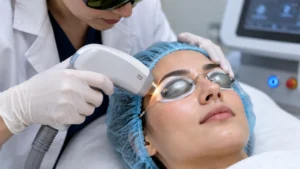
Laser Application:
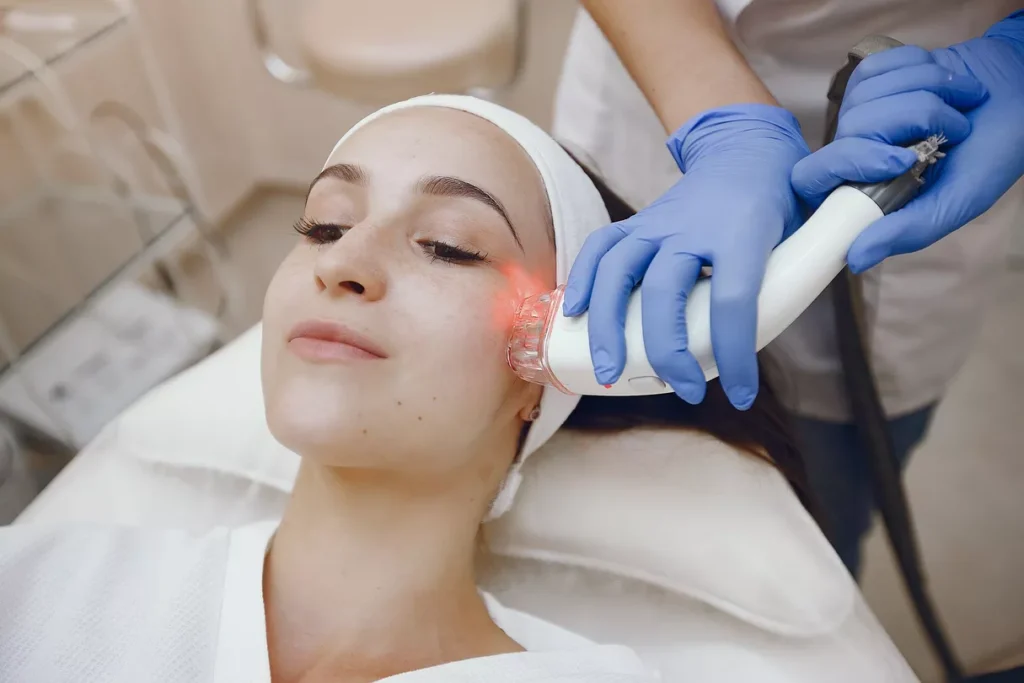
The laser is carefully passed over the treatment area. Ablative lasers remove outer skin layers, while non-ablative lasers heat beneath the surface to encourage collagen growth. (Healthline on laser resurfacing) -
Post-Treatment Dressing:
The clinician may apply ointments or protective dressings to help the healing process. -
Recovery Begins:
After the procedure, treated areas are monitored, and you are given specific aftercare instructions—which are essential for optimal healing.
The procedure itself usually takes between 30 minutes and 2 hours, depending on the size of the area and the intensity of treatment.
Benefits of Laser Skin Resurfacing
Laser skin resurfacing delivers multiple cosmetic benefits, including:
1. Smoother & More Even Skin Texture
By removing damaged surface skin and promoting new cell growth, laser resurfacing smooths rough patches, fine lines, and acne scars.
2. Reduction of Wrinkles & Fine Lines
Wrinkles near the mouth, eyes, or forehead can be reduced as new collagen forms deeper under the skin, restoring firmness.
3. Improved Skin Tone & Pigmentation
Uneven pigmentation, brown spots, and sun damage respond well to laser treatment as new, evenly toned skin replaces old layers.
4. Tightening of Loose or Sagging Skin
Laser energy stimulates the dermis (deeper skin layer) to produce more collagen. This can help mildly lax or loose skin appear tighter and more youthful.
5. Long-Lasting Results
While aging continues naturally, the effects of laser resurfacing can last for years—especially with proper skincare and sun protection.
Laser Skin Resurfacing in New York
Searching for laser skin resurfacing New York means you are likely comparing clinics, technologies, and results offered by different providers in the NYC area. New York has many advanced aesthetic centers equipped with the latest laser technology, including fractional CO₂, erbium, and hybrid laser systems.
When choosing a clinic in New York, consider:
-
Experience of the treating physician
-
Accredited facility with safe clinical standards
-
Technology used (fractional CO2, erbium, Pico, etc.)
-
Before-and-after results and client testimonials
-
Personalized treatment plans
Clinics with experienced providers and appropriate laser technology can develop treatment plans based on each patient’s skin concerns and recovery needs.
Choosing a Laser Skin Resurfacing Option
The best laser skin resurfacing option varies depending on your skin type, concerns, and objectives, so there is no one-size-fits-all solution. But here are some broad recommendations:
Lasers that Ablate
-
Ideal for: Scars, severe sun damage, and deep wrinkles
-
Advantages: The most striking outcomes
-
Cons: More intense healing period and longer recuperation
Non-ablative Lasers
-
Best for: Mild texture issues, early signs of aging
-
Pros: Shorter recovery
-
Cons: Multiple sessions may be needed
Fractional Lasers
-
Best for: Targeted resurfacing with faster recovery
-
Pros: Balanced between results and downtime
-
Cons: May not be as dramatic as full ablative
Often, the best laser skin resurfacing clinic will offer multiple laser options and tailor the treatment to your specific needs.
Laser Skin Resurfacing for Loose Skin
People often consider laser resurfacing for loose skin when they want to improve the appearance of mild skin laxity without surgery. Depending on the laser technology and treatment approach, resurfacing can stimulate collagen production and help improve skin texture, firmness, and overall appearance.
Laser resurfacing may help:
- Stimulate collagen and elastin production
- Improve skin texture and firmness
- Create a smoother-looking appearance
- Reduce the appearance of fine lines and other signs of aging
The results can vary depending on the individual, the degree of skin laxity, and the type and intensity of laser treatment used. Laser resurfacing is generally more suitable for mild to moderate loose skin. For more noticeable laxity, a qualified provider may discuss other or combination treatments based on your skin’s needs.
A consultation can help determine whether laser resurfacing for loose skin is appropriate for your concerns and which treatment approach may be suitable for your skin.

Laser Skin Resurfacing Recovery: What to Expect
Laser skin resurfacing recovery can vary depending on the type of laser treatment, treatment intensity, and individual skin response. After treatment, it is common to experience temporary redness, swelling, sensitivity, or peeling as the skin begins to heal.
During the recovery period, following your provider’s aftercare instructions is important. Protecting the treated skin from direct sun exposure and using recommended skincare products can help support the healing process. The skin may gradually look smoother and more even as recovery progresses.
The exact recovery time depends on the specific treatment and how aggressively the skin was resurfaced. Your provider can explain what to expect and when you can safely return to your normal skincare and daily activities.
Recovery After Laser Skin Resurfacing
Recovery is one of the most important parts of the process and a key factor you must understand before treatment.
Immediate Post-Treatment Period
-
Skin may feel like a mild sunburn
-
Redness, swelling, itchiness are common
-
Protective ointment applied by your clinician
Days 1–7
-
Treated skin will form a protective crust and begin peeling
-
New skin appears underneath and will look pink initially
-
Follow cleaning and ointment instructions precisely (Plastic Surgery Institute reference)
Days 7–21
-
Peeling continues, and swelling decreases
-
Skin sensitivity is high; avoid harsh products
-
Redness fades gradually
Weeks 3–12
-
New collagen continues to form
-
Skin tone and texture improve visibly
-
Red or pink skin lightens and normalizes over months
Long-Term Healing
-
Final results develop as deeper collagen remodeling takes place
-
Improvements become more refined and lasting
Tips for a Smooth Recovery
To enhance healing and minimize complications:
-
Follow clinician instructions exactly
-
Cleanse gently and regularly
-
Use broad-spectrum sunscreen daily
-
Avoid irritating products (retinoids, acids, scrubs)
-
Stay hydrated and maintain a healthy diet
Risks and Side Effects
Like all cosmetic procedures, laser resurfacing carries some potential risks:
-
Redness, swelling, itchiness
-
Dryness and peeling
-
Temporary changes in pigmentation
-
Rare infection or scarring
Most side effects resolve with time and proper care. (Mayo Clinic reference)
Who Is a Good Candidate?
Laser skin resurfacing is suitable for adults who:
-
Are physically healthy
-
Have realistic expectations
-
Want improvement in texture, tone, or laxity
-
Understand recovery requirements
Frequently Asked Questions
1. What Is Laser Skin Resurfacing in New York?
Laser skin resurfacing is a cosmetic procedure that uses laser energy to improve the appearance of damaged or uneven skin. Depending on the treatment, it may help address wrinkles, fine lines, acne scars, sun damage, uneven pigmentation, and changes in skin texture.
2. Who Is a Good Candidate for Laser Skin Resurfacing?
Adults with concerns such as wrinkles, acne scars, sun damage, uneven skin tone, or mild skin laxity may be candidates. Suitability depends on factors such as skin type, medical history, treatment goals, and the laser treatment being considered. A consultation can help determine whether resurfacing is appropriate for you.
3. How Long Does Laser Skin Resurfacing Recovery Take?
Recovery varies depending on the type of laser, treatment intensity, and individual healing response. Some treatments involve only a short recovery period, while deeper resurfacing may require several weeks of healing. Your provider can explain the expected downtime for your specific treatment.
4. Can Laser Resurfacing Help With Loose Skin?
Laser resurfacing may improve the appearance of mild skin laxity by stimulating collagen production and improving skin texture. The degree of improvement depends on the amount of laxity and the type of laser treatment used.
5. Are the Results of Laser Skin Resurfacing Permanent?
Laser resurfacing can provide long-lasting improvements, but it does not stop the natural aging process. Results can vary by treatment type and individual, while sun protection and an appropriate skincare routine may help maintain improvements.
6. Is Laser Skin Resurfacing Safe?
Laser skin resurfacing can be performed safely when an appropriate treatment is selected and the procedure is performed by a qualified medical professional. Temporary redness, swelling, sensitivity, and peeling can occur, while other risks depend on the laser and individual factors.
7. How Should I Choose a Laser Skin Resurfacing Provider in New York?
Consider the provider’s medical qualifications, experience with laser treatments, technology used, approach to patient evaluation, and whether the treatment plan is tailored to your individual skin concerns and goals.
8. Can Multiple Areas Be Treated During the Same Session?
Depending on the treatment and your individual needs, more than one area may be treated during the same session. A provider can determine which areas can be safely treated together and how this may affect treatment time and recovery.
9. How Soon Will I See Results From Laser Skin Resurfacing?
The timing of results varies by treatment type and individual healing. Some improvements may become noticeable as the skin heals, while further changes can develop over the following weeks or months as collagen remodeling continues.
10. Where Can I Get Laser Skin Resurfacing in New York?
Laser skin resurfacing is available from qualified medical providers throughout New York. When considering treatment, look for a provider who can evaluate your skin, discuss appropriate laser options, explain potential risks and recovery, and develop a treatment plan based on your individual needs.
Conclusion
Laser skin resurfacing is a powerful tool for achieving smoother, tighter, youthful-looking skin. If you are researching laser skin resurfacing in New York, understanding the procedure, benefits, recovery timeline, and best practice steps helps you make an informed choice. Using lasers such as fractional, CO2, or erbium—when performed by a skilled provider—can deliver lasting improvements for wrinkles, uneven skin tone, scars, and mild skin laxity.
For more details, check Lee Vision for their advanced laser treatments and consultation options.