


Eye Pressure Test: Why It Matters for Your Vision and Eye Health
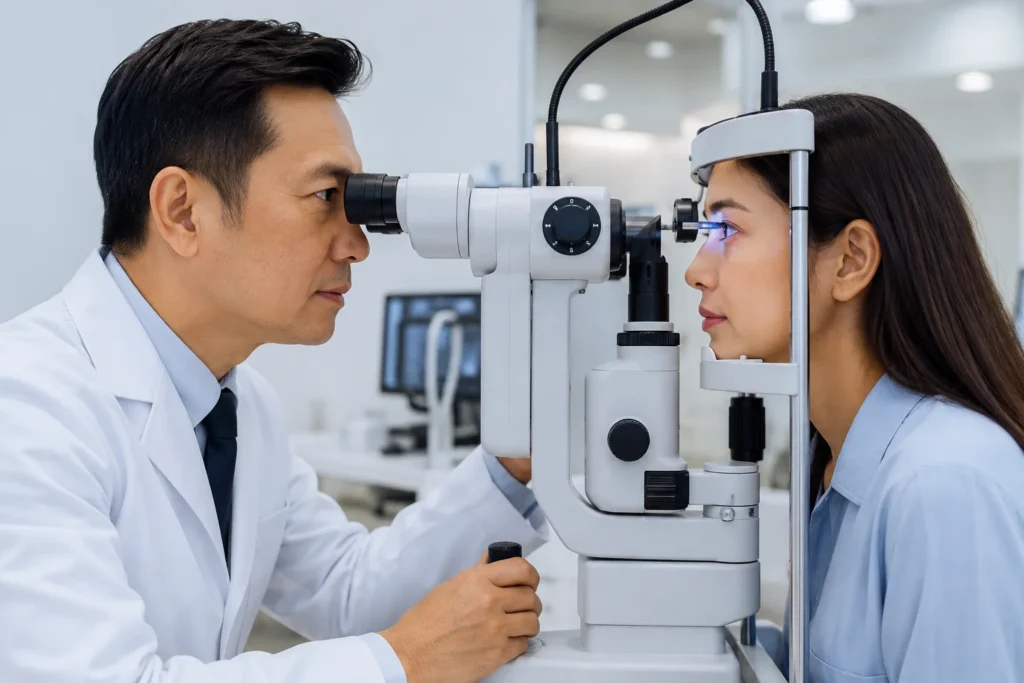
If you’ve been advised to get an eye pressure test, you may wonder what it measures and whether it means something is wrong with your eyes. In reality, an eye pressure test is one of the most important parts of a comprehensive eye examination. It helps your ophthalmologist evaluate the pressure inside your eyes, which can reveal early warning signs of glaucoma and other conditions that may threaten your vision if left untreated.
One of the biggest concerns with elevated eye pressure is that it often develops without noticeable symptoms. Many patients visiting an eye clinic for blurred vision, routine checkups, or a new prescription are surprised to learn that their eye pressure is higher than expected. Detecting this early gives your ophthalmologist the opportunity to monitor your eye health closely and recommend treatment if necessary before permanent vision loss occurs.
At LeeVision in Flushing, Queens, NYC, Dr. David H. Lee, MD, a board-certified ophthalmologist, uses advanced diagnostic technology as part of a personalized eye examination to assess eye pressure alongside other important aspects of vision and eye health. An eye pressure test is only one piece of the puzzle, but it plays a critical role in protecting your long-term vision.
What Is an Eye Pressure Test?
An eye pressure test, also called tonometry, measures the pressure inside your eye, known as intraocular pressure (IOP). Your eyes constantly produce a clear fluid called aqueous humor, which nourishes the eye and helps maintain its shape. This fluid normally drains through a microscopic drainage system located near the front of the eye.
When the fluid drains too slowly or is produced faster than it can leave the eye, pressure begins to build. Over time, increased pressure may damage the optic nerve—the structure responsible for carrying visual information from your eyes to your brain.
Although an eye pressure test is commonly associated with glaucoma, having high eye pressure does not automatically mean you have glaucoma. Likewise, some people develop glaucoma even when their eye pressure falls within the normal range. This is why ophthalmologists evaluate your eye pressure together with your optic nerve, visual field, corneal thickness, and other diagnostic findings before making a diagnosis.
Why Is an Eye Pressure Test Important?
Many serious eye diseases progress silently. Elevated eye pressure rarely causes pain, redness, or changes in vision during its early stages. As a result, many people do not realize there is a problem until permanent vision damage has already occurred.
An eye pressure test helps identify patients who may be at increased risk before symptoms develop. Early detection allows for careful monitoring and timely treatment, significantly reducing the likelihood of vision loss.
Your ophthalmologist may recommend an eye pressure test to:
- Detect early signs of glaucoma.
- Monitor patients already diagnosed with glaucoma or ocular hypertension.
- Evaluate sudden changes in vision.
- Assess eye health before LASIK or cataract surgery.
- Monitor the effects of certain medications, including long-term steroid use.
- Establish a baseline measurement during routine comprehensive eye exams.
Because eye pressure can change over time, a single reading does not always provide the complete picture. Comparing results across multiple visits often gives a more accurate understanding of your eye health.
Who Should Get an Eye Pressure Test?
An eye pressure test is recommended for adults of all ages as part of routine eye care, but certain individuals may benefit from more frequent monitoring.
You should consider regular eye pressure testing if you:
- Are over the age of 40.
- Have a family history of glaucoma.
- Have diabetes or high blood pressure.
- Are significantly nearsighted or farsighted.
- Have experienced an eye injury.
- Take corticosteroid medications for extended periods.
- Have previously been told your eye pressure was elevated.
- Notice gradual changes in your vision.
People living in busy urban environments such as Flushing, Queens, and New York City often spend long hours using computers, smartphones, and digital devices. While digital eye strain does not directly increase eye pressure, prolonged screen time can mask subtle vision changes, making routine comprehensive eye examinations even more important.
Symptoms That May Indicate High Eye Pressure
Most people with elevated eye pressure experience no symptoms at all. This is one of the reasons glaucoma is often called the “silent thief of sight.”
However, depending on the underlying cause, some patients may notice:
- Blurred vision
- Eye discomfort or aching
- Frequent headaches around the eyes
- Halos around lights
- Difficulty seeing in low-light conditions
- Gradual loss of peripheral (side) vision
- Sudden eye pain accompanied by nausea or vomiting (a medical emergency)
These symptoms do not always mean your eye pressure is high, but they should never be ignored. A prompt evaluation by a board-certified ophthalmologist can help identify the cause and determine whether treatment is needed.
What Happens During an Eye Pressure Test?
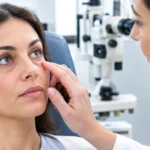
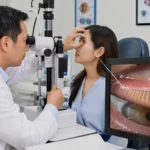
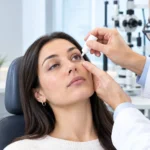
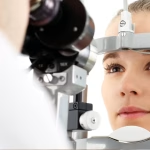
Many patients worry that an eye pressure test will be uncomfortable, but the procedure is typically quick, painless, and completed within a few minutes.
Depending on the equipment used, your ophthalmologist may first numb the surface of your eye with special eye drops or use a gentle puff of air to estimate your eye pressure without touching the eye.
The test may be performed using advanced instruments that measure how your cornea responds to a brief amount of pressure. These readings help determine your intraocular pressure while also considering factors that can influence the accuracy of the results.
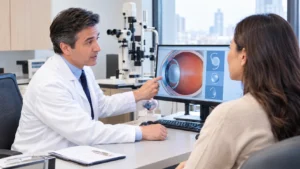
Your ophthalmologist will often combine the eye pressure test with other diagnostic evaluations, including an examination of the optic nerve, retinal imaging, and an eyesight test machine that measures your prescription and overall visual performance. Together, these tests provide a more complete picture of your eye health than eye pressure alone.
Types of Eye Pressure Tests
Several methods are available to measure intraocular pressure, and the most appropriate option depends on your age, eye condition, and clinical needs.
| Eye Pressure Test | How It Works | Common Use |
|---|---|---|
| Goldmann Applanation Tonometry | Measures pressure after numbing eye drops are applied | Considered the clinical gold standard |
| Non-Contact Tonometry | Uses a gentle puff of air without touching the eye | Routine eye examinations and screenings |
| Rebound Tonometry | Uses a small handheld probe with minimal discomfort | Children, older adults, and home or portable testing |
| Dynamic Contour Tonometry | Measures pressure while accounting for corneal characteristics | Selected glaucoma evaluations |
Each technique has advantages and limitations. Rather than relying on a single reading, experienced ophthalmologists interpret your results alongside your medical history, optic nerve appearance, corneal thickness, and additional diagnostic findings to reach the most accurate conclusion.
Understanding your eye pressure is an important step toward protecting your vision for years to come. In the next section, we’ll explore what your eye pressure results actually mean, how glaucoma is diagnosed, the role of an eyesight test machine, and practical, evidence-based answers to the common question: how to improve my eyesight naturally.
Understanding Your Eye Pressure Test Results
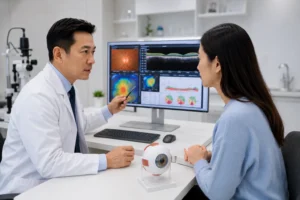
After your eye pressure test, one of the first questions patients ask is, “Are my results normal?” The answer is not always as simple as comparing your number with a standard range. An experienced ophthalmologist looks at your eye pressure together with your optic nerve, corneal thickness, visual field, and overall eye health before determining whether further evaluation or treatment is necessary.
In most healthy adults, normal intraocular pressure (IOP) ranges between 10 and 21 mmHg. However, some individuals naturally have pressures slightly above or below this range without developing eye disease. Likewise, some patients with glaucoma have pressures within the normal range, a condition known as normal-tension glaucoma.
This is why an eye pressure test should never be interpreted on its own. A comprehensive eye examination provides the complete picture.
Normal vs. High Eye Pressure
Understanding what your results may indicate can help reduce unnecessary anxiety.
| Eye Pressure Reading | What It May Mean | Next Step |
|---|---|---|
| 10–21 mmHg | Usually considered within the normal range | Continue routine eye exams |
| Above 21 mmHg | May suggest ocular hypertension | Additional testing and monitoring |
| Consistently elevated pressure | Increased glaucoma risk | Comprehensive glaucoma evaluation |
| Low eye pressure | May occur after surgery, injury, or certain eye conditions | Further examination if symptoms are present |
One abnormal reading does not automatically mean you have glaucoma. Your ophthalmologist may repeat the eye pressure test during another visit because eye pressure naturally changes throughout the day.
What Causes High Eye Pressure?
High eye pressure develops when the clear fluid inside the eye cannot drain efficiently. Instead of leaving the eye at its normal rate, the fluid gradually builds up, increasing pressure on delicate eye structures.
Several factors may contribute to elevated eye pressure, including:
- Aging
- Family history of glaucoma
- Diabetes
- High blood pressure
- Previous eye injuries
- Long-term steroid medication use
- Thin corneas
- Certain inflammatory eye conditions
Many patients are surprised to learn that high eye pressure often has no warning signs. This is why regular eye examinations remain one of the most effective ways to protect long-term vision.
Can an Eye Pressure Test Detect Glaucoma?
An eye pressure test is one of the most valuable screening tools for glaucoma, but it cannot diagnose glaucoma by itself.
Glaucoma is diagnosed by evaluating several findings together, including:
- Eye pressure measurements
- Optic nerve appearance
- Peripheral vision (visual field) testing
- Corneal thickness
- Optical Coherence Tomography (OCT) imaging
- Retinal nerve fiber layer analysis
Some people have elevated eye pressure for many years without developing glaucoma, while others experience optic nerve damage even though their pressure appears normal.
For this reason, ophthalmologists focus on the health of the optic nerve rather than relying on pressure alone.
The Role of an Eyesight Test Machine
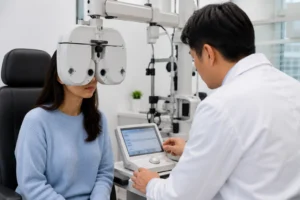
Many patients confuse an eyesight test machine with an eye pressure testing device. Although both are commonly used during a comprehensive eye exam, they serve different purposes.
An eyesight test machine, often called an autorefractor, estimates your eyeglass prescription by measuring how light travels through your eyes. It helps identify refractive errors such as:
- Nearsightedness (Myopia)
- Farsightedness (Hyperopia)
- Astigmatism
While this machine provides valuable information about your vision, it does not measure eye pressure or diagnose glaucoma.
Instead, your ophthalmologist combines information from the eyesight test machine, your eye pressure test, and additional diagnostic equipment to evaluate your overall eye health and determine whether further testing is needed.
Additional Eye Tests Your Ophthalmologist May Recommend
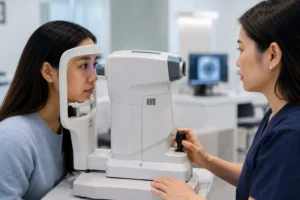
If your eye pressure test shows elevated readings or if glaucoma is suspected, your ophthalmologist may recommend additional examinations to better understand your eye health.
These may include:
Visual Field Test
This test measures your side (peripheral) vision and helps detect vision loss that may occur before you notice any symptoms.
Optical Coherence Tomography (OCT)
OCT creates highly detailed images of the optic nerve and retina, allowing ophthalmologists to detect very early structural changes.
Corneal Thickness Measurement
Corneal thickness can influence eye pressure readings. Measuring it helps ensure your eye pressure test is interpreted accurately.
Dilated Eye Examination
After dilating your pupils, your ophthalmologist carefully examines the retina and optic nerve for signs of glaucoma or other eye diseases.
Together, these tests provide a much clearer understanding of your eye health than eye pressure alone.
How to Improve My Eyesight Naturally
Many patients ask how to improve my eyesight naturally without surgery or medication. While no natural remedy can permanently eliminate refractive errors such as nearsightedness or astigmatism, healthy daily habits can support overall eye health and reduce eye strain.
Evidence-based recommendations include:
- Eat a balanced diet rich in leafy greens, citrus fruits, fish, nuts, and colorful vegetables.
- Follow the 20-20-20 rule during prolonged screen use by looking at something 20 feet away for 20 seconds every 20 minutes.
- Wear UV-protective sunglasses outdoors.
- Stay physically active to support healthy blood circulation.
- Manage diabetes and blood pressure carefully.
- Get adequate sleep to reduce eye fatigue.
- Avoid smoking, which increases the risk of several eye diseases.
- Use artificial tears if you experience dry eyes from extended screen time.
These habits may not remove the need for glasses, but they can help maintain healthy vision and reduce the risk of certain eye conditions over time.
When Should You Schedule an Eye Exam?
You should not wait until your vision changes before scheduling an eye examination. Because conditions such as glaucoma often progress silently, regular eye exams are essential—even if you believe your eyesight is normal.
Consider booking an appointment if you:
- Have never had an eye pressure test
- Are over 40 years old
- Have a family history of glaucoma
- Experience blurred vision or frequent headaches
- Notice changes in your side vision
- Have diabetes or high blood pressure
- Use steroid medications regularly
- Have been told your eye pressure is elevated
For individuals living in Flushing, Queens, NYC, routine comprehensive eye examinations are especially important due to screen-heavy work environments, aging populations, and increasing rates of chronic health conditions that can affect vision.
At LeeVision, Dr. David H. Lee, MD, a board-certified ophthalmologist, uses advanced diagnostic technology and evidence-based ophthalmology to evaluate eye pressure, assess optic nerve health, and develop personalized care plans based on each patient’s individual needs. The goal is not simply to identify abnormal numbers but to preserve healthy vision for the long term through accurate diagnosis, ongoing monitoring, and shared decision-making.
In the final part of this guide, we’ll answer the most common patient questions about eye pressure tests, explain common misconceptions, and provide SEO resources including image alt text, schema recommendations, meta title, meta description, and other optimization elements.
Frequently Asked Questions
What is an eye pressure test?
An eye pressure test measures the pressure inside your eye to help detect glaucoma and other conditions before permanent vision damage occurs. It is a routine part of a comprehensive eye examination.
Why is an eye pressure test important?
An eye pressure test helps identify elevated eye pressure early, allowing your ophthalmologist to monitor your eye health and recommend treatment before vision is affected.
What is considered a normal eye pressure reading?
Most adults have an eye pressure reading between 10 and 21 mmHg. However, your ophthalmologist considers other findings before deciding whether your results are normal.
Can glaucoma develop even if my eye pressure is normal?
Yes. Some people develop normal-tension glaucoma, where optic nerve damage occurs despite having a normal eye pressure reading.
Is an eye pressure test painful?
No. The procedure is quick, safe, and usually painless. Most patients complete the test within a few minutes.
How often should adults have their eye pressure checked?
Adults should have their eyes examined regularly, especially after age 40 or if they have diabetes, a family history of glaucoma, or other risk factors.
What happens if my eye pressure is higher than normal?
Your ophthalmologist may repeat the eye pressure test and recommend additional tests such as OCT imaging or visual field testing to determine whether glaucoma is present.
Is an eyesight test machine the same as an eye pressure test?
No. An eyesight test machine estimates your eyeglass prescription, while an eye pressure test measures the pressure inside your eye. Both tests evaluate different aspects of eye health.
Why is an eyesight test machine used during an eye exam?
An eyesight test machine provides an initial measurement of your vision prescription and helps your ophthalmologist perform a more accurate refraction during your comprehensive eye examination.
Can an eyesight test machine detect eye diseases?
No. An eyesight test machine measures refractive errors but cannot diagnose glaucoma, cataracts, or retinal diseases. Additional diagnostic tests are required.
How can I improve my eyesight naturally?
If you’re wondering how to improve my eyesight naturally, focus on healthy habits such as eating a balanced diet, limiting screen time, wearing UV-protective sunglasses, staying physically active, and getting regular eye examinations.
Does screen time damage eyesight permanently?
Digital devices mainly cause eye strain and dryness rather than permanent vision loss. Following the 20-20-20 rule and taking regular breaks can help reduce discomfort.
Can healthy foods improve eye health?
Foods rich in vitamins A, C, E, omega-3 fatty acids, lutein, and zeaxanthin support healthy eyes and may reduce the risk of certain age-related eye conditions.
Who is at greater risk of developing glaucoma?
People over 40, individuals with diabetes, those with high eye pressure, and anyone with a family history of glaucoma have a higher risk and should schedule routine eye examinations.
When should I see an ophthalmologist?
You should seek an eye examination if you notice blurred vision, eye pain, halos around lights, sudden vision changes, or persistent headaches, or if it has been several years since your last comprehensive eye exam.