




How Much Is LASIK Eye Surgery? A Complete Cost Guide for Patients in Flushing, Queens, NYC
If you’re considering LASIK to reduce your dependence on glasses or contact lenses, one of the first questions you’ll probably ask is, “How much is LASIK eye surgery?” It’s an important question, but the answer isn’t the same for everyone. The cost depends on your eyes, the technology used, and the level of care you receive before, during, and after surgery.
Many people focus on finding the lowest price, but LASIK is more than a quick procedure. A thorough evaluation, personalized treatment planning, advanced laser technology, and experienced surgical care all play a role in achieving safe and effective results.
At LeeVision in Flushing, Queens, Dr. David H. Lee, MD, a Board-Certified Ophthalmologist, believes patients should fully understand both the cost and the value of LASIK before making a decision. Knowing what you’re paying for can help you choose the option that’s right for your vision—not just your budget.
This guide explains how much LASIK typically costs, why prices vary, and what factors you should consider before scheduling surgery.
How Much Does LASIK Eye Surgery Cost?
The average cost of LASIK in the United States typically ranges from $2,000 to $3,500 per eye. If you’ve searched how much does LASIK eye surgery cost or how much is it for LASIK eye surgery, you’ve probably noticed that prices can vary significantly from one practice to another.
That’s because there is no single price that fits every patient. Your prescription, eye health, surgical technology, and the surgeon’s experience all influence the total cost.
Some clinics advertise very low starting prices, but those promotions may only apply to patients with mild prescriptions or may not include follow-up care and other necessary services. Before comparing prices, it’s important to understand exactly what is included in the treatment package.
Average LASIK Cost Overview
| LASIK Service | Typical Cost |
|---|---|
| Standard LASIK (Per Eye) | $2,000–$2,500 |
| Custom Wavefront LASIK | $2,300–$3,000 |
| Bladeless (All-Laser) LASIK | $2,500–$3,500 |
| Initial Consultation | May be complimentary or applied toward surgery |
| Follow-Up Visits | Often included, depending on the practice |
Actual pricing varies based on your individual eye examination and treatment plan.
Why Does LASIK Cost Differ Between Patients?
When patients ask during a consultation, “Why did my friend pay less than I was quoted?” the answer is usually simple: every eye is different.
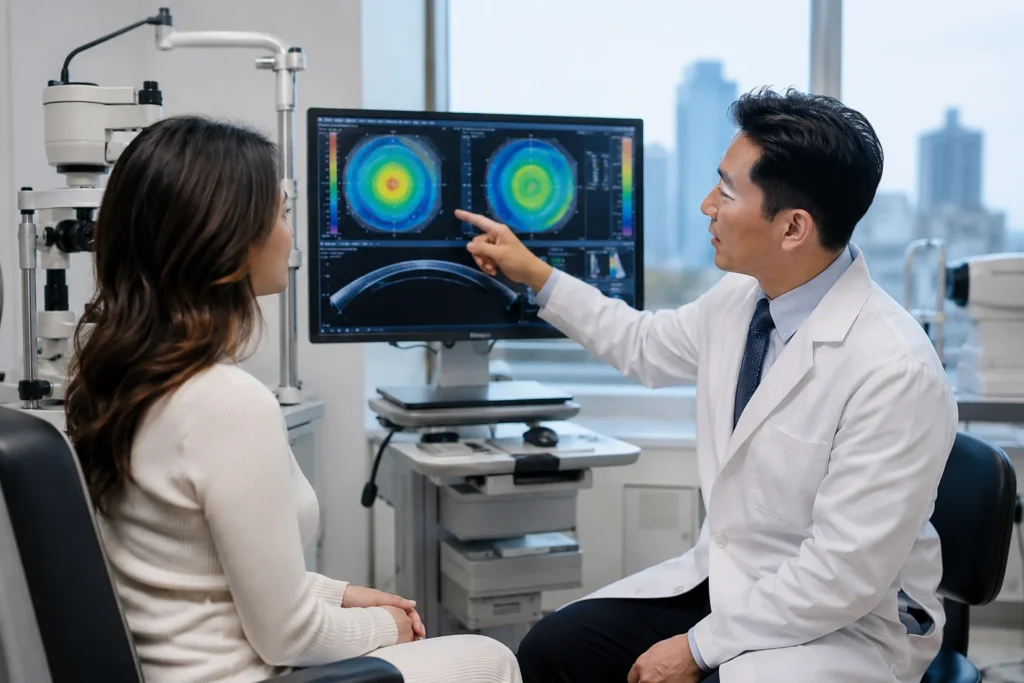
LASIK isn’t a one-size-fits-all procedure. Before surgery, your ophthalmologist performs a detailed evaluation to determine whether LASIK is the safest and most effective option for your vision. That evaluation helps create a treatment plan tailored specifically to your eyes.
Several factors influence the final cost.
Technology Used
Modern LASIK relies on highly advanced imaging systems and FDA-approved laser technology to create a customized treatment plan. Practices that invest in newer diagnostic equipment and laser platforms may charge more because these technologies improve precision and personalization.
Surgeon’s Experience
The experience and qualifications of your surgeon also matter. A Board-Certified Ophthalmologist has extensive training in diagnosing eye conditions, evaluating LASIK candidacy, and managing any unexpected complications. Choosing an experienced surgeon may cost more, but many patients consider that additional expertise an investment in their long-term vision.
Prescription Complexity
Not all vision prescriptions are the same. Patients with higher degrees of nearsightedness, farsightedness, or astigmatism may require more customized planning than someone with a mild refractive error. In some cases, LASIK may not be the most appropriate procedure, and another type of laser vision correction may provide better results.
Personalized Treatment Planning
A quality LASIK evaluation goes beyond checking your eyeglass prescription. Your ophthalmologist also examines:
- Corneal thickness
- Corneal shape and curvature
- Tear film quality
- Pupil size
- Overall eye health
- Stability of your prescription
These measurements help determine whether LASIK can be performed safely while preserving the long-term health of your eyes.
Cost vs. Value: Looking Beyond the Advertised Price
It’s natural to compare prices when considering an elective procedure. However, the lowest advertised price doesn’t always represent the best value.
Some practices include comprehensive testing, surgery, medications, and follow-up appointments in one package, while others charge separately for each service. A lower initial quote may ultimately cost more if important parts of your care aren’t included.
Rather than asking only “How much is LASIK eye surgery?“, consider asking questions such as:
- What services are included in the quoted price?
- Is advanced diagnostic testing part of the evaluation?
- Are follow-up visits included?
- What technology will be used during surgery?
- Will I receive personalized treatment planning?
- If an enhancement is needed in the future, what is the policy?
Understanding these details can help you compare practices more accurately and make a well-informed decision.
Why a Comprehensive LASIK Evaluation Matters

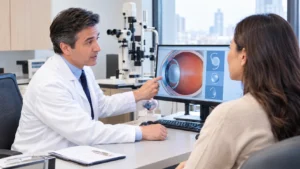
Before recommending LASIK, an experienced ophthalmologist performs a comprehensive eye examination to confirm that the procedure is appropriate for you. This evaluation is one of the most important parts of the entire process because it helps identify conditions that could affect your results or make another treatment a better choice.
For many patients in Flushing, Queens, and throughout New York City, this consultation is also an opportunity to discuss common concerns, such as whether LASIK is permanent, how long recovery takes, and what level of vision improvement they can realistically expect.
Making an informed decision starts with understanding your eyes—not simply choosing the lowest price. A personalized evaluation allows your surgeon to explain the benefits, limitations, and alternatives based on your unique vision needs, helping you move forward with confidence.
What Is Typically Included in the Cost of LASIK Eye Surgery?

When comparing prices, it’s important to know exactly what you’re paying for. A comprehensive LASIK package often includes much more than the procedure itself. While services vary between practices, many treatment plans include:
- Comprehensive pre-operative eye examination
- Advanced corneal mapping and diagnostic testing
- Personalized treatment planning
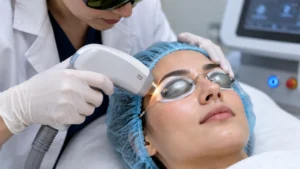
- LASIK procedure using FDA-approved laser technology
- Post-operative medications and eye drops
- Scheduled follow-up visits
- Monitoring of your healing and visual recovery
Some practices advertise a lower starting price but charge separately for consultations, diagnostic tests, or post-operative care. Always ask for a detailed breakdown before making a decision.
Does Health Insurance Cover LASIK?
One of the most common questions patients ask after how much does LASIK eye surgery cost is whether insurance will help pay for it.
In most cases, LASIK is considered an elective procedure, meaning standard health insurance plans do not cover the cost. However, there are exceptions. Some employers and vision plans offer discounts through approved LASIK providers, which can help reduce out-of-pocket expenses.
Many patients also choose to use:
- Health Savings Accounts (HSA)
- Flexible Spending Accounts (FSA)
These accounts may allow you to pay for eligible LASIK expenses using pre-tax dollars, depending on your plan.
Are Financing Options Available?
Because LASIK is an investment in long-term vision, many practices offer financing plans that allow patients to spread the cost into manageable monthly payments.
Depending on the provider, financing may include:
- Monthly installment plans
- Promotional interest-free periods for qualified applicants
- Flexible payment options based on your budget
If you’re concerned about affordability, ask about financing during your consultation. Understanding your payment options can make LASIK more accessible without compromising the quality of your care.
LASIK vs. PRK vs. SMILE: How Do the Costs Compare?
LASIK isn’t the only type of laser vision correction available. Depending on your eye health and lifestyle, your ophthalmologist may recommend another procedure that better suits your needs.
| Procedure | Typical Cost (Per Eye) | Best For | Recovery Time |
|---|---|---|---|
| LASIK | $2,000–$3,500 | Most patients with stable prescriptions | Usually 1–2 days |
| PRK | $1,800–$3,000 | Thin corneas or certain corneal conditions | Several days to a few weeks |
| SMILE | $2,500–$4,000 | Mild to moderate nearsightedness | Usually a few days |
Price should never be the only deciding factor. The safest procedure is the one that’s most appropriate for your eyes after a comprehensive evaluation.
Is LASIK Worth the Cost?
For many patients, the value of LASIK extends beyond the procedure itself. Years of purchasing prescription glasses, contact lenses, cleaning solutions, and routine replacements can add up over time.
Although LASIK requires a larger upfront investment, many people appreciate benefits such as:
- Greater freedom from glasses and contact lenses
- Convenience during work, travel, and sports
- Reduced ongoing vision correction expenses
- Improved day-to-day comfort for those who experience contact lens irritation
The decision is personal, and the value depends on your lifestyle, visual goals, and overall eye health.
Who Is a Good Candidate for LASIK?
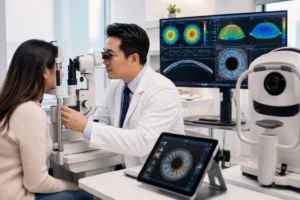
Not everyone is a suitable candidate for LASIK. A detailed eye examination is necessary to determine whether the procedure can be performed safely.
You may be a good candidate if you:
- Are at least 18 years old
- Have had a stable vision prescription for at least one year
- Have healthy corneas
- Do not have advanced cataracts or uncontrolled glaucoma
- Have realistic expectations about the outcome
- Are in good overall eye health
During your consultation, your ophthalmologist will evaluate your eyes and discuss whether LASIK, PRK, SMILE, or another vision correction option is most appropriate.
When LASIK May Not Be the Best Option
Some patients are disappointed to learn they aren’t ideal candidates for LASIK, but that doesn’t necessarily mean they have no options for improving their vision.
LASIK may not be recommended if you have:
- Very thin or irregular corneas
- Advanced dry eye disease
- Unstable vision prescription
- Certain corneal disorders
- Active eye infections or inflammation
- Some autoimmune conditions that affect healing
Choosing not to perform LASIK when it isn’t appropriate reflects a commitment to patient safety—not a limitation of modern technology. An experienced ophthalmologist will recommend the treatment that offers the greatest long-term benefit for your vision.
Understanding the Benefits and Limitations of LASIK
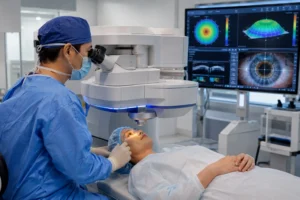
LASIK has helped millions of people reduce their dependence on glasses and contact lenses, but it’s important to have realistic expectations before surgery.
Benefits
- Quick outpatient procedure
- Minimal discomfort for most patients
- Rapid visual recovery
- Long-lasting vision correction for many individuals
- High patient satisfaction when appropriately selected
Limitations
- Reading glasses may still be needed with age due to presbyopia.
- Results can vary based on your prescription and eye health.
- Some patients experience temporary dry eyes, glare, or halos during healing.
- LASIK cannot prevent future age-related eye conditions such as cataracts or macular degeneration.
Understanding both the advantages and limitations helps patients make confident, informed decisions rather than relying solely on advertisements or price comparisons.
Choosing the Right LASIK Surgeon in Flushing, Queens, NYC

When researching how much is LASIK eye surgery, it’s easy to focus on price alone. However, choosing the right surgeon is just as important as choosing the procedure itself.
A comprehensive consultation should include more than a vision test. An experienced ophthalmologist will evaluate your overall eye health, discuss your lifestyle, explain your treatment options, and answer your questions honestly. If LASIK isn’t the safest choice, you should be told why and be offered appropriate alternatives.
For patients in Flushing, Queens, and throughout New York City, selecting a practice that emphasizes evidence-based ophthalmology, advanced diagnostic technology, and personalized treatment planning can help you make a confident decision based on your individual needs rather than advertising alone.
Questions to Ask During Your LASIK Consultation
Before scheduling surgery, consider asking your ophthalmologist:
- Am I a good candidate for LASIK?
- Would PRK or SMILE be a better option for my eyes?
- What technology will be used during my procedure?
- What services are included in the quoted price?
- What are the possible risks and side effects?
- How long will my recovery take?
- Will I need enhancement surgery in the future?
- How many follow-up visits are included?
- What results can I realistically expect?
A thorough consultation should leave you feeling informed—not pressured.
Making an Informed Decision About LASIK
LASIK can be a life-changing procedure for the right candidate, but it isn’t the right solution for everyone. The best decision is based on a complete eye examination, realistic expectations, and a clear understanding of both the benefits and limitations.
If you’re comparing how much does LASIK eye surgery cost or how much is it for LASIK eye surgery, remember that the lowest advertised price doesn’t always represent the highest quality of care. Experience, technology, personalized treatment planning, and long-term follow-up all contribute to the overall value of your treatment.
Scheduling a comprehensive evaluation with a Board-Certified Ophthalmologist allows you to receive recommendations tailored to your eyes, helping you choose the safest and most effective vision correction option.
Frequently Asked Questions
How much is LASIK eye surgery?
If you’re wondering how much is LASIK eye surgery, the average cost is typically between $2,000 and $3,500 per eye. Your total price depends on your prescription, the laser technology used, your surgeon’s experience, and whether follow-up care is included.
How much is it for LASIK eye surgery on both eyes?
How much is it for LASIK eye surgery on both eyes usually ranges from $4,000 to $7,000. A personalized consultation provides the most accurate estimate.
How much does LASIK eye surgery cost in New York City?
How much does LASIK eye surgery cost in NYC varies by clinic, technology, and surgeon. Most patients can expect pricing within the national average.
How much is LASIK eye surgery in Flushing, Queens?
If you’re searching how much is LASIK eye surgery in Flushing, Queens, your final cost depends on your eye health, vision correction needs, and customized treatment plan.
Why does LASIK eye surgery cost vary?
The answer to how much does LASIK eye surgery cost varies because every patient has different prescriptions, corneal measurements, and treatment requirements.
What is included in the LASIK eye surgery cost?
Most LASIK pricing includes a consultation, advanced eye imaging, corneal mapping, surgery, and scheduled follow-up visits.
Is LASIK eye surgery worth the cost?
Many patients believe LASIK provides long-term value by reducing the ongoing expense of glasses and contact lenses.
Does insurance cover LASIK eye surgery?
Most insurance plans do not cover LASIK because it is considered an elective vision correction procedure, although some plans offer discounts.
Can I use HSA or FSA for LASIK eye surgery?
Yes. Many patients use HSA or FSA funds to help pay for eligible LASIK eye surgery expenses.
Are monthly payment plans available for LASIK?
Many eye surgery centers provide financing options that allow patients to spread the cost into manageable monthly payments.
Is bladeless LASIK more expensive?
Yes. Bladeless LASIK generally costs more because it uses advanced femtosecond laser technology for greater precision.
Is custom LASIK worth the additional cost?
Custom LASIK creates a treatment plan based on detailed corneal measurements, making it a valuable option for many eligible patients.
Who is a good candidate for LASIK eye surgery?
A good candidate has stable vision, healthy corneas, and no active eye disease. A comprehensive eye examination determines eligibility.
Who should avoid LASIK eye surgery?
Patients with severe dry eye, thin corneas, unstable prescriptions, or certain corneal diseases may be better suited for another vision correction procedure.
Can I have LASIK if I have astigmatism?
Yes. Many patients with astigmatism qualify for LASIK after a detailed eye evaluation.
What age is best for LASIK eye surgery?
Most ophthalmologists recommend LASIK after age 18 when the prescription has remained stable for at least one year.
Is LASIK eye surgery painful?
LASIK is generally painless because numbing eye drops are used before the procedure. Mild irritation may occur during recovery.
How long does LASIK eye surgery take?
The laser treatment usually takes only a few minutes per eye, while the entire appointment is often completed within one to two hours.
How long is recovery after LASIK eye surgery?
Most patients notice clearer vision within 24 to 48 hours, although complete healing continues over the following weeks.
When can I return to work after LASIK?
Many people return to work within one or two days, depending on their occupation and recovery progress.
Can I drive after LASIK eye surgery?
You can usually drive once your ophthalmologist confirms your vision meets safe driving standards during your follow-up visit.
Is LASIK eye surgery permanent?
LASIK permanently reshapes the cornea, but normal age-related vision changes such as presbyopia or cataracts can still develop later in life.
What are the risks of LASIK eye surgery?
Possible risks include temporary dry eyes, glare, halos, under-correction, over-correction, and infection. A thorough pre-operative evaluation helps reduce these risks.
What should I ask during my LASIK consultation?
Ask how much is LASIK eye surgery, what is included in the quoted price, whether enhancement procedures are covered, recovery expectations, possible risks, and your surgeon’s experience.
How do I choose the right LASIK surgeon?
Choose a Board-Certified Ophthalmologist with extensive LASIK experience, advanced diagnostic technology, personalized treatment planning, and transparent pricing.
Where can I learn more about how much LASIK eye surgery costs?
If you want to learn how much is LASIK eye surgery, how much is it for LASIK eye surgery, or how much does LASIK eye surgery cost, schedule a comprehensive consultation with an experienced ophthalmologist in Flushing, Queens, NYC to receive a personalized evaluation and cost estimate.