



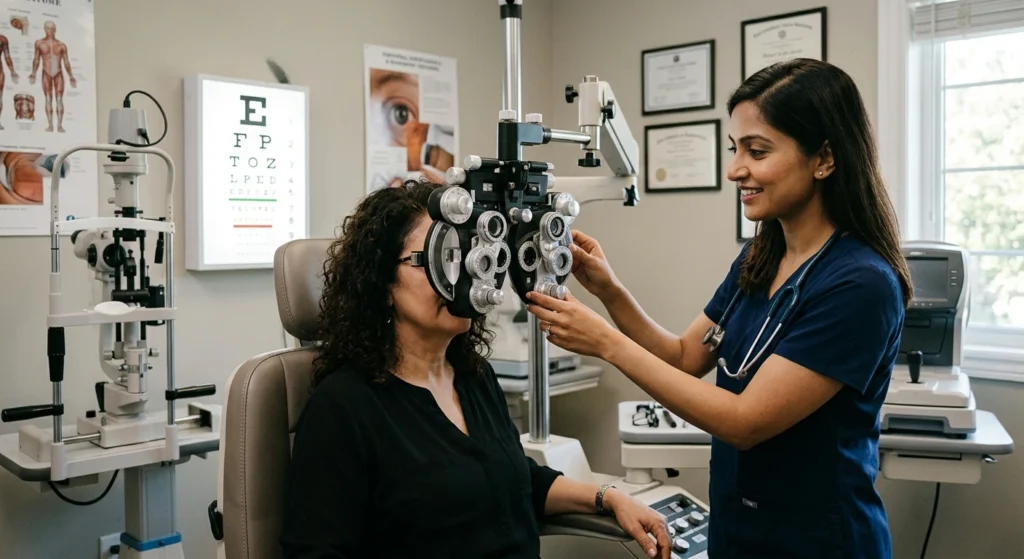
Comprehensive Eye Exam: A Complete Guide to Protecting Your Vision
Your eyes are essential to your daily life, yet many people ignore regular checkups until problems appear. If you’ve ever searched for an eye exam near me, you’re already thinking in the right direction. A comprehensive eye exam is not just about getting glasses—it’s a complete evaluation of your eye health and early detection of serious conditions.
In this guide, you’ll understand why regular eye exams matter and how they can protect your long-term vision.
What is a Comprehensive Eye Exam
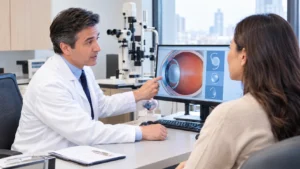
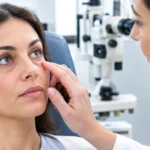
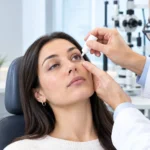
A comprehensive eye exam is a detailed assessment performed by an eye specialist to evaluate both vision and overall eye health.
If you’re wondering what is a comprehensive eye exam, it goes beyond a simple vision test. It includes multiple checks such as:
- Visual clarity
- Eye coordination
- Eye pressure
- Retina and optic nerve health
According to the American Academy of Ophthalmology, regular comprehensive exams are essential for detecting eye diseases before symptoms appear.
Unlike basic tests, this exam helps diagnose hidden conditions that may silently damage your vision.
Why Regular Eye Exams Are Important
Routine eye exams play a major role in maintaining overall eye health and preventing serious complications.
Early Detection of Eye Diseases
Conditions like glaucoma, cataracts, and macular degeneration often develop without early warning signs. A comprehensive exam helps detect them early.
Prevent Vision Loss
Early treatment can prevent permanent damage and preserve eyesight.
Detect Systemic Health Issues
Your eyes can reveal signs of diseases like:
- Diabetes
- High blood pressure
The World Health Organization highlights that regular eye checkups are critical in reducing preventable blindness worldwide.
What Happens During a Comprehensive Eye Exam
A comprehensive eye exam includes several tests designed to evaluate every part of your eye.
1. Medical History Review
The doctor reviews your vision issues and health background.
2. Visual Acuity Test
Measures how clearly you can see at different distances.
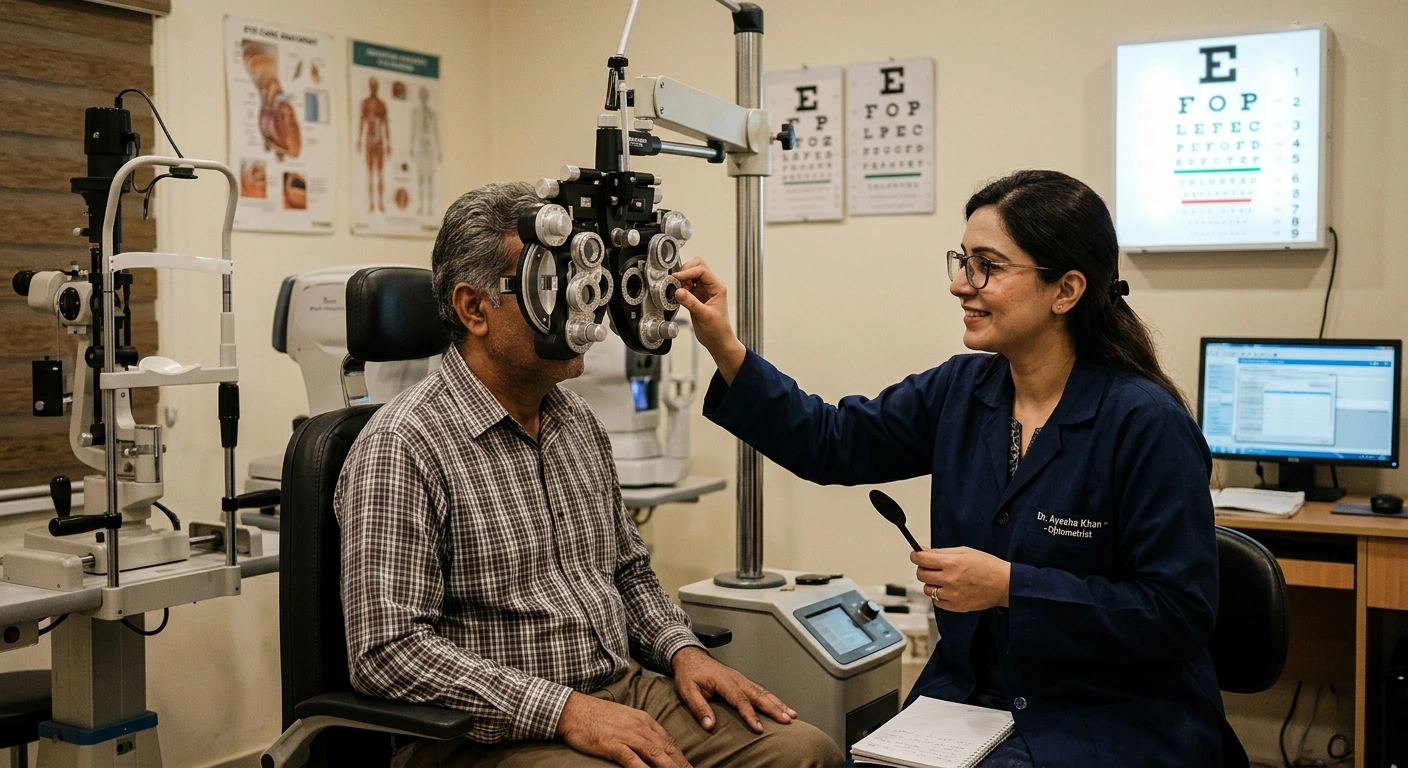
3. Refraction Test
Determines whether you need glasses or contact lenses.
4. Eye Muscle Test
Checks coordination and movement of your eyes.
5. Eye Pressure Test
Important for detecting glaucoma.
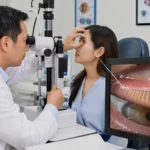
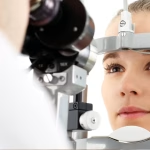
6. Slit-Lamp Examination
A detailed look at the front of the eye.
7. Retinal Examination
Examines the retina and optic nerve for any damage.
If vision correction is needed, many patients explore options like LASIK eye surgery or cataract treatment services for long-term improvement.
Signs You Need an Eye Exam
You shouldn’t wait for serious problems before visiting an eye specialist.
Watch for these symptoms:
- Blurry or double vision
- Eye strain or headaches
- Difficulty seeing at night
- Sensitivity to light
- Sudden vision changes
Even without symptoms, regular exams are necessary to maintain eye health.
Eye Exam for Blurry Vision
Blurry vision is one of the most common reasons people search for an eye exam near me.
A comprehensive eye exam can identify causes such as:
- Refractive errors
- Dry eyes
- Cataracts
- Retinal issues
The NHS notes that blurry vision should never be ignored, as it can indicate underlying health conditions.
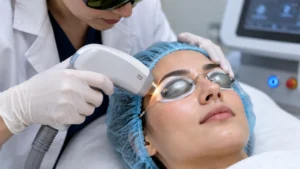
Treatment may include glasses, medication, or procedures like laser vision correction depending on the diagnosis.
How Often Should You Get a Comprehensive Eye Exam
The frequency of exams depends on age and health condition.
Adults (18–40)
Every 2 years if no issues.
Adults (40–60)
Every 1–2 years.
Seniors (60+)
Once every year.
Children
Regular exams are important during development.
High-Risk Patients
People with diabetes or family history should get checked more often.
Cost of Eye Exam / What to Expect
The cost of a comprehensive eye exam varies depending on the clinic and tests involved.
What You Can Expect:
- Basic exam: Affordable
- Advanced testing: Slightly higher cost
Many clinics offer complete eye care packages, making it easier to manage both vision and eye health.
How to Choose the Right Eye Doctor Near You
When searching for the best eye exam near me, consider these factors:
Experience & Qualifications
Choose a certified ophthalmologist with strong expertise.
Technology
Modern clinics provide more accurate diagnosis.
Services Offered
Look for clinics offering:
- Vision tests
- LASIK
- Cataract surgery
Reviews
Patient feedback helps you understand service quality.
Personalized Care
A good doctor explains everything clearly and guides you properly.
FAQs About Comprehensive Eye Exam
1. What is a comprehensive eye exam?
It is a detailed evaluation of vision and eye health, including tests for eye diseases.
2. How long does a comprehensive eye exam take?
Usually 30–60 minutes depending on tests.
3. Is an eye exam painful?
No, it is completely safe and painless.
4. Can eye exams detect other diseases?
Yes, they can detect conditions like diabetes and hypertension.
5. How do I find an eye exam near me?
Search for experienced clinics with good reviews and modern equipment.
6. Do I need an eye exam if I see clearly?
Yes, because many eye diseases develop without symptoms.
7. How much does a comprehensive eye exam cost?
Costs vary but are generally affordable compared to long-term treatment.
Conclusion: Protect Your Vision with a Comprehensive Eye Exam
Your vision is too important to ignore. A comprehensive eye exam ensures early detection, better treatment, and long-term eye health.
Don’t wait for symptoms to appear.
Book your comprehensive eye exam today and take control of your eye health.