




Custom Lens Replacement Surgery: A Long-Term Vision Correction Option for Clearer Sight
If you’ve reached a point where reading glasses are becoming a daily necessity or you’re frustrated with constantly switching between different pairs of glasses, you may have started researching custom lens replacement surgery. Many patients in their 40s, 50s, and beyond ask whether replacing the eye’s natural lens can provide long-lasting vision correction while reducing their dependence on glasses.
Unlike procedures that reshape the cornea, custom lens replacement surgery addresses vision by replacing the eye’s natural lens with an advanced artificial lens selected specifically for your visual needs. For many people, this can improve both distance and near vision while also preventing future cataracts because the cloudy natural lens is removed before cataracts develop.
At LeeVision in Flushing, Queens, New York City, Dr. David H. Lee, MD, a Board-Certified Ophthalmologist, believes that every patient’s eyes are unique. The best results come from careful evaluation, advanced diagnostic testing, and selecting the right intraocular lens (IOL) based on lifestyle, eye health, and long-term vision goals rather than choosing a one-size-fits-all solution.
Understanding Custom Lens Replacement Surgery
Custom lens replacement surgery, also called refractive lens exchange (RLE) or clear lens extraction, is an elective vision correction procedure that replaces the eye’s natural lens with a customized intraocular lens (IOL).
While cataract surgery removes a cloudy lens, custom lens replacement surgery removes a clear but aging lens before cataracts interfere with vision.
The procedure may help reduce dependence on:
- Reading glasses
- Bifocals
- Progressive lenses
- Contact lenses
For many adults experiencing presbyopia or age-related focusing problems, this approach provides a permanent solution because the natural lens cannot become cloudy again after it has been replaced.
How Is Custom Lens Replacement Different from LASIK?
One of the most common questions patients ask during consultations is whether they need LASIK or custom lens replacement surgery. Although both procedures aim to improve vision, they work in very different ways.
| Custom Lens Replacement Surgery | LASIK |
|---|---|
| Replaces the natural eye lens | Reshapes the cornea |
| Can correct presbyopia | Limited treatment for presbyopia |
| Prevents future cataracts | Does not prevent cataracts |
| Suitable for many adults over 45 | Often preferred for younger adults |
| Uses an artificial intraocular lens | Keeps the natural lens intact |
Patients often search for laser eye surgery cost NYC, assuming every vision correction procedure uses a laser. In reality, custom lens replacement surgery primarily involves replacing the lens inside the eye. While advanced laser technology may assist certain surgical steps in selected cases, the treatment itself is fundamentally different from LASIK.
Who May Be a Good Candidate?
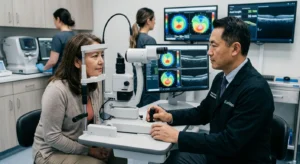
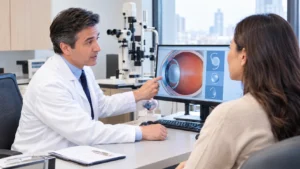
Not everyone is an ideal candidate, which is why a comprehensive eye examination is essential before recommending surgery.
A thorough evaluation may consider:
- Age and overall eye health
- Current glasses prescription
- Presence of cataracts
- Corneal thickness
- Retinal health
- Dry eye disease
- Lifestyle and visual demands
Many suitable candidates include adults who:
- Are over 45 years old
- Have difficulty focusing up close
- Want greater freedom from glasses
- Have stable vision
- Are not ideal LASIK candidates
- Want a long-term vision correction option
Patients with certain retinal diseases, uncontrolled glaucoma, severe dry eye, or other eye conditions may require additional evaluation before surgery is considered.
Common Reasons Patients Explore This Procedure
During consultations, patients often describe situations like:
- Constantly removing and putting on reading glasses.
- Struggling to read restaurant menus in dim lighting.
- Difficulty using multiple computer screens at work.
- Frustration with progressive lenses.
- Contact lenses becoming uncomfortable after years of wear.
These everyday challenges can significantly affect quality of life, making many people curious about whether custom lens replacement surgery could offer a more convenient solution.
What Makes the Surgery “Custom”?

The word “custom” doesn’t refer to the surgery itself—it refers to the careful planning that happens beforehand.
Rather than selecting the same lens for every patient, an ophthalmologist evaluates several factors to recommend an intraocular lens that matches your individual visual goals.
These may include:
Lifestyle Assessment
Someone who spends long hours on a computer may have different visual priorities than someone who drives extensively at night or enjoys reading without glasses.
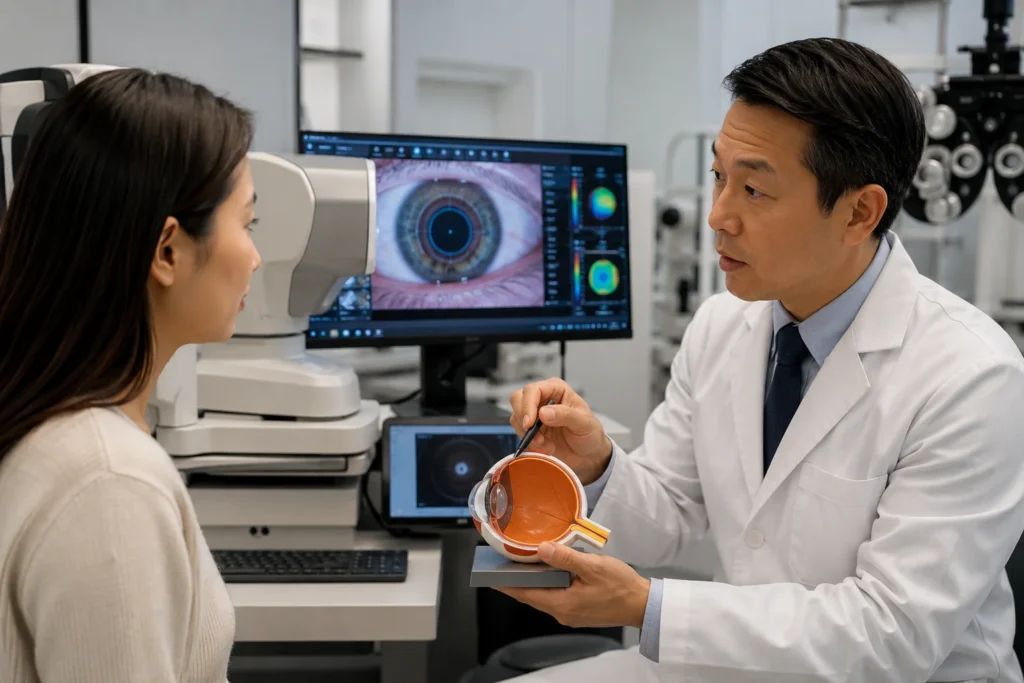
Advanced Eye Measurements
Modern diagnostic technology measures:
- Eye length
- Corneal curvature
- Lens power calculations
- Astigmatism
- Overall eye anatomy
Accurate measurements help improve lens selection and reduce the likelihood of needing additional vision correction after surgery.
Lens Options
Depending on your eye health and lifestyle, options may include:
- Monofocal lenses
- Multifocal lenses
- Extended depth-of-focus (EDOF) lenses
- Toric lenses for astigmatism
Each lens has its own advantages and limitations. During a consultation, your ophthalmologist will explain the expected visual outcomes, possible trade-offs, and whether you may still need glasses for certain activities.
Does Age Matter?
Age is one of the biggest factors when considering custom lens replacement surgery.
For younger adults whose natural lens still focuses well, procedures like LASIK or PRK may be more appropriate.
However, as the eye’s natural lens gradually loses flexibility—a condition known as presbyopia—replacing the lens may provide more lasting visual improvement than corneal laser procedures alone.
This is one reason adults researching custom lens replacement surgery often compare it with laser eye surgery cost NYC while exploring the most suitable long-term option for their age and vision needs.
What Happens During Custom Lens Replacement Surgery?
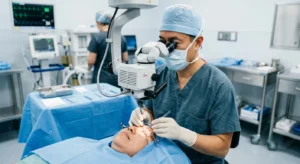
Many patients are surprised to learn that custom lens replacement surgery is typically an outpatient procedure, meaning you can return home the same day. The surgery is carefully planned using detailed measurements taken during your pre-operative examination, helping your ophthalmologist choose the most appropriate intraocular lens (IOL) for your vision goals.
Although every patient is different, the procedure generally follows these steps:
Before Surgery
Before the operation, your eyes are measured using advanced imaging technology. These measurements help determine the correct lens power and identify factors such as astigmatism, corneal shape, and overall eye health.
On the day of surgery:
- Numbing eye drops are applied.
- The eye is cleaned to reduce infection risk.
- Mild medication may be offered to help you relax.
- You remain awake but comfortable throughout the procedure.
During the Procedure
A tiny incision is created near the edge of the cornea. Using specialised microsurgical instruments, the eye’s natural lens is gently removed and replaced with the selected artificial intraocular lens.
Because the incision is very small, stitches are often unnecessary, allowing the eye to heal naturally.
Most procedures take less than 30 minutes per eye, although the overall appointment may be longer to allow for preparation and recovery.
After Surgery
Patients usually rest briefly before returning home with a family member or friend.
It is normal to notice:
- Mild blurry vision
- Slight watering
- Light sensitivity
- A scratchy sensation
These symptoms generally improve as the eye heals over the following days.
Recovery After Custom Lens Replacement Surgery
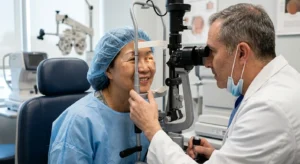
Recovery varies from person to person, but most patients notice gradual visual improvement during the first week.
| Recovery Stage | What Most Patients Experience |
|---|---|
| First 24 Hours | Mild blur, light sensitivity, protective eye shield |
| First Week | Vision becomes clearer, most daily activities resume |
| Two to Four Weeks | Continued healing and vision stabilisation |
| One to Three Months | Final visual outcome for many patients |
Your ophthalmologist will schedule follow-up appointments to monitor healing and ensure the new lens is functioning as expected.
During recovery, patients are commonly advised to:
- Use prescribed eye drops exactly as directed.
- Avoid rubbing the eye.
- Wear protective eyewear while sleeping if recommended.
- Avoid swimming until your doctor says it is safe.
- Attend every follow-up visit.
Benefits of Custom Lens Replacement Surgery
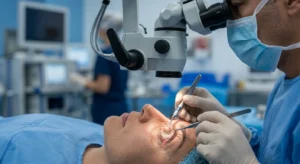
For appropriately selected patients, this procedure offers several potential advantages beyond reducing dependence on glasses.
Long-Term Vision Correction
Unlike the natural lens, an artificial intraocular lens does not develop cataracts. This means patients who undergo custom lens replacement surgery generally will not need cataract surgery later in life.
Reduced Dependence on Glasses
Depending on the type of lens chosen, many people experience greater freedom from:
- Reading glasses
- Distance glasses
- Progressive lenses
- Contact lenses
However, some patients may still need glasses for certain activities, particularly fine print or prolonged computer work.
Personalised Lens Selection
The procedure is tailored to your lifestyle rather than using the same lens for everyone. This personalised approach is one of the reasons many patients choose custom lens replacement surgery over standard vision correction options.
Understanding the Risks and Limitations
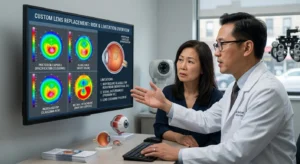
Every eye procedure carries potential risks, and custom lens replacement surgery is no exception.
Possible complications may include:
- Infection
- Inflammation
- Glare or halos around lights
- Temporary dry eye symptoms
- Increased eye pressure
- Retinal complications in higher-risk individuals
- Need for additional laser treatment or glasses after surgery
Fortunately, serious complications are uncommon when surgery is performed by an experienced ophthalmologist and patients carefully follow post-operative instructions.
An honest consultation should always include both the expected benefits and the possible limitations so patients can make an informed decision.
Eye Lens Replacement Surgery Cost: What Influences the Price?
One of the most frequently searched topics is eye lens replacement surgery cost. While many people hope for a single price, the reality is that costs vary based on several medical and practical factors.
These may include:
- Type of intraocular lens selected
- Whether one or both eyes are treated
- Advanced diagnostic testing
- Surgical technology used
- Surgeon’s expertise
- Follow-up care included in the treatment plan
- Geographic location
Premium lenses designed to correct multiple vision distances or astigmatism often cost more than standard monofocal lenses because they involve more advanced technology and customised planning.
Rather than focusing only on the initial cost, many patients also consider the long-term value, including reduced dependence on prescription eyewear and the fact that the natural lens will not later require cataract surgery.
Custom Lens Replacement Surgery vs. Laser Vision Correction
Patients comparing custom lens replacement surgery with laser eye surgery cost NYC often assume the two procedures compete directly. In reality, they are designed for different needs.
| Custom Lens Replacement Surgery | Laser Vision Correction |
|---|---|
| Replaces the natural lens | Reshapes the cornea |
| Often recommended for presbyopia | Commonly chosen by younger adults |
| Prevents future cataracts | Does not prevent cataracts |
| Can address multiple focusing distances with premium lenses | Usually corrects distance vision |
| Permanent artificial lens | Natural lens continues to age |
For adults in their 20s or 30s with healthy lenses, laser procedures may be more appropriate. For many adults over 45 experiencing age-related focusing changes, replacing the natural lens may provide a more comprehensive long-term solution.
At practices such as LeeVision in Flushing, Queens, NYC, the decision is based on detailed eye measurements, overall ocular health, and a discussion of your daily visual needs—not simply age alone.
Frequently Asked Questions
What is custom lens replacement surgery?
Custom lens replacement surgery is a vision correction procedure that replaces your eye’s natural lens with an artificial intraocular lens (IOL). It is commonly recommended for adults with presbyopia, high farsightedness, or early lens changes who want long-term freedom from glasses.
Who is a good candidate for custom lens replacement surgery?
You may be a good candidate if you are over 45, have stable vision, struggle with reading glasses, or are not an ideal LASIK candidate. A comprehensive eye examination is needed to determine the safest treatment for your eyes.
Is custom lens replacement surgery better than LASIK?
The answer depends on your age and eye health. LASIK reshapes the cornea, while custom lens replacement addresses the aging natural lens. Many adults over 45 benefit more from lens replacement because it also prevents future cataracts.
How long does the procedure take?
The surgery usually takes about 20–30 minutes per eye. Since it is performed as an outpatient procedure, most patients return home the same day.
Is the surgery painful?
No. Numbing eye drops are used to keep the eye comfortable. Most patients feel only mild pressure during the procedure rather than pain.
How long does recovery take?
Many patients notice clearer vision within a few days. Although vision often improves quickly, complete healing may take several weeks depending on individual healing and the type of lens implanted.
Will I still need glasses afterward?
That depends on the lens selected. Many people significantly reduce their dependence on glasses, while some may still need them for fine print or certain detailed tasks.
Can this procedure prevent cataracts?
Yes. Because the eye’s natural lens is replaced with an artificial intraocular lens, cataracts cannot develop in the treated eye later in life.
Is the procedure permanent?
Yes. The implanted intraocular lens is designed to remain in the eye permanently and does not need routine replacement.
What types of intraocular lenses are available?
Your ophthalmologist may recommend monofocal, multifocal, toric, or extended depth-of-focus (EDOF) lenses based on your lifestyle, prescription, and visual goals.
How much does eye lens replacement surgery cost?
The eye lens replacement surgery cost varies depending on the type of intraocular lens, diagnostic testing, surgical technology, and follow-up care. A consultation provides the most accurate estimate for your individual needs.
Why does eye lens replacement surgery cost differ between clinics?
The overall eye lens replacement surgery cost may vary because of surgeon experience, premium lens options, advanced imaging technology, and the level of post-operative care included.
Is eye lens replacement surgery covered by insurance?
Insurance coverage depends on whether the procedure is medically necessary or performed primarily to reduce dependence on glasses. Coverage varies by individual insurance plans.
How does laser eye surgery cost NYC compare with lens replacement?
The laser eye surgery cost NYC is usually different because LASIK and lens replacement are designed for different vision problems. The most suitable option depends on your age, prescription, and eye health.
Should I choose lens replacement or LASIK?
The decision should be based on a comprehensive eye examination rather than cost alone. Your ophthalmologist will recommend the treatment that best matches your long-term vision goals.
Are there any risks?
Like any eye procedure, there are potential risks, including infection, inflammation, glare, halos, temporary dry eye, or the need for additional treatment. Serious complications are uncommon when surgery is performed by an experienced ophthalmologist.
Can both eyes be treated?
Yes. Most patients have both eyes treated, although the surgeries are usually scheduled separately to allow the first eye to begin healing.
When can I return to normal activities?
Many patients resume light daily activities within a day or two, but swimming, heavy lifting, and strenuous exercise should be avoided until your ophthalmologist confirms it is safe.
Can I drive after surgery?
You should arrange for someone to drive you home on the day of surgery. Driving can usually resume once your ophthalmologist confirms that your vision meets safe driving standards.
Where can I learn if this procedure is right for me?
The best first step is scheduling a comprehensive eye evaluation with a board-certified ophthalmologist. Detailed testing helps determine whether custom lens replacement, LASIK, or another vision correction option is the safest and most effective choice for your eyes.