




Eye Doctors That Accept Medicaid
Through Medicaid, people can access eye care services, but this coverage can vary from state to state. It depends on which state you live in and the specific Medicaid rules in that state. In some states, Medicaid covers eye exams, glasses, and even surgeries. However, these services are not available in every state.
Types of Eye Doctors
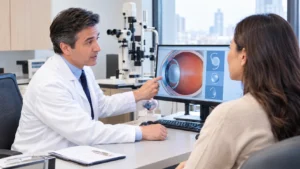
Eye doctors can be divided into two main categories: Optometrists and Ophthalmologists.
- Optometrists:
- Optometrists are professionals who primarily perform routine eye exams, and prescribe glasses and contact lenses.
- They can diagnose eye-related problems such as glaucoma, cataracts, or macular degeneration.
- Optometrists do not perform surgical procedures but can refer you to a specialist if necessary.
- Ophthalmologists:
- Ophthalmologists are doctors who perform eye surgeries and treat complex medical eye conditions.
- Their focus is on surgical treatments, eye injuries, and serious diseases.
Medicaid Acceptance
Not every eye doctor accepts Medicaid. If you are covered by Medicaid, you need to visit doctors who accept Medicaid patients. There could be several reasons for this:
- Low Reimbursement Rates: Medicaid usually reimburses doctors at lower rates compared to private insurance, which is why some doctors do not accept Medicaid patients.
- Administrative Burden: Working with Medicaid can be challenging for some doctors due to the extensive paperwork and approvals required.

How to Find a Doctor Who Accepts Medicaid
If you are covered by Medicaid and need eye care, follow these steps:
- Visit the Medicaid Website: You can visit your state’s Medicaid website and use the “Find a Provider” or “Doctor Search” tool. This will help you find eye doctors who accept Medicaid.
- Check Your Insurance Card: Your Medicaid insurance card may contain information that can help you. Some cards also have a customer service number that you can call to inquire about available eye doctors in your area.
- Local Health Clinics: You can contact local health clinics or community health centers in your city. These centers often provide specialized services for Medicaid patients.
- Directly Contact Doctors: You can call the offices of eye doctors directly and ask if they accept Medicaid. This method is often quick and effective.
Quality of Care
If you are covered by Medicaid, you might sometimes have to wait a little longer as doctors who accept Medicaid tend to have more patients. There may also be scheduling delays.
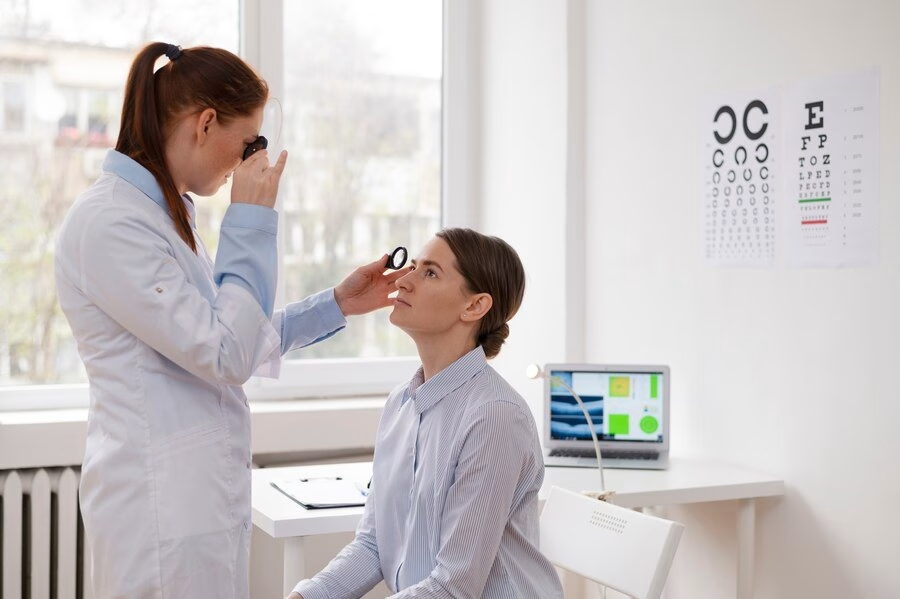
Waiting Times
Many doctors provide quality care to Medicaid patients, but in some states, there may be limitations on coverage and services. Therefore, you will need to explore your options to ensure you receive the best possible care.
Frequently Asked Questions
1. How can I find eye doctors that accept Medicaid?
You can find eye doctors that accept Medicaid by checking your state Medicaid provider directory, contacting the number on your Medicaid insurance card, visiting local health clinics, or calling an eye doctor’s office directly to confirm coverage.
2. Does Medicaid cover eye exams?
Medicaid eye exam coverage varies by state and by the specific Medicaid plan. Some plans cover routine eye exams and other vision services, while coverage may be limited in other states. Check your Medicaid plan or contact your provider before scheduling an appointment.
3. Do all eye doctors accept Medicaid?
No. Not every optometrist or ophthalmologist accepts Medicaid. Doctors may choose not to participate because of reimbursement rates, administrative requirements, or other practice considerations. It is best to confirm Medicaid acceptance with the doctor’s office before your visit.
4. What type of eye doctor should I see with Medicaid?
For a routine eye exam, glasses, or contact lenses, an optometrist may be appropriate. If you have a serious eye condition or need eye surgery, an ophthalmologist may be the better choice. Your primary care doctor or eye-care provider can also help determine which type of specialist you need.
5. Does Medicaid cover glasses?
Glasses and other vision benefits depend on your state and Medicaid plan. Some Medicaid programs provide coverage for eyeglasses, while others have restrictions on eligibility, frequency, or the type of lenses and frames covered.
6. How do I know if an eye doctor accepts my specific Medicaid plan?
Before making an appointment, give the eye doctor’s office your Medicaid plan name and ask whether they are currently accepting new patients with that plan. You can also verify participating providers through your Medicaid plan’s provider directory.
7. Can I use Medicaid for an ophthalmologist?
Yes, Medicaid may cover medically necessary ophthalmology services when the ophthalmologist participates in your Medicaid plan. Coverage depends on your state, plan, and the type of eye care or treatment you need.
8. Why do some eye doctors not accept Medicaid?
Some eye doctors may not participate in Medicaid because of reimbursement rates, administrative requirements, or limits associated with the program. This does not mean quality eye care is unavailable to Medicaid patients; it may simply require checking several participating providers.
9. What should I ask an eye doctor before making a Medicaid appointment?
Ask whether the office accepts your specific Medicaid plan, whether they are accepting new Medicaid patients, what services are covered, whether you need a referral, and whether there are any out-of-pocket costs.
10. Can I find Medicaid eye doctors near me?
Yes. You can search your Medicaid plan’s provider directory for participating optometrists and ophthalmologists in your area. You can also contact local health clinics or call eye-care offices directly to confirm Medicaid participation.
Conclusion
If you rely on Medicaid and need eye care, you may need to do some research and put in some effort. You have options, but to find them, you’ll need to utilize Medicaid resources, contact local health centers, and reach out to eye doctors’ offices. Remember, taking care of your health and vision should be your priority, and Medicaid is there to help you with that.