







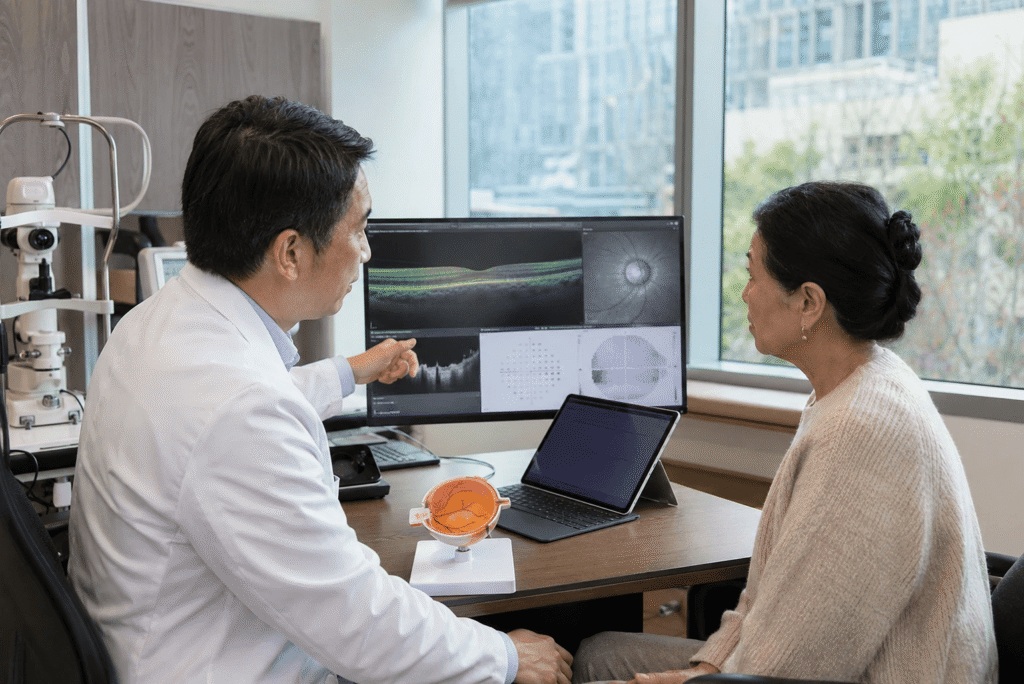
Glaucoma Surgeries: Understanding Your Treatment Options in 2026
Being told that you may need glaucoma surgery can be unsettling. 2Many patients immediately wonder whether surgery means their vision is already badly damaged, whether they will still need eye drops, or whether laser eye surgery for glaucoma is safer than traditional surgery.
The important point is that there is no single operation that is right for every person with glaucoma. Treatment depends on the type of glaucoma, the amount of optic nerve damage, your current eye pressure, how quickly the disease is progressing, previous treatments, and the pressure level your ophthalmologist believes is necessary to protect your remaining vision.
Modern glaucoma care offers several approaches, ranging from office-based laser treatment to minimally invasive glaucoma surgery (MIGS) and more established filtering or drainage procedures. The goal is not simply to lower a number on an eye-pressure test. The goal is to reduce the risk of further optic nerve damage and preserve useful vision over the long term.
What Are Glaucoma Surgeries?
Glaucoma surgeries are procedures designed to lower intraocular pressure (IOP), which is the pressure inside the eye. In many forms of glaucoma, excessive pressure or an eye that is particularly vulnerable to pressure can damage the optic nerve, the structure that carries visual information from the eye to the brain.
Surgery does not restore optic nerve tissue that has already been permanently damaged, and it does not cure glaucoma. Instead, successful treatment can help reduce the chance of additional damage.
Not every patient who has glaucoma needs an operation. Many people are initially treated with prescription eye drops and, depending on the type of glaucoma, laser therapy. Surgery becomes more relevant when pressure remains above the patient’s target despite treatment, when medications are difficult to tolerate or use consistently, or when the disease requires a stronger pressure-lowering approach.
When Is Glaucoma Surgery Recommended?

The decision is more nuanced than simply asking whether your eye pressure is “high.”
An ophthalmologist may recommend a procedure when:
- Eye pressure remains too high despite appropriate medications or laser treatment
- Glaucoma is progressing despite treatment
- The optic nerve already shows significant damage
- The pressure needs to be reduced substantially to protect vision
- Medication side effects or difficulty using multiple eye drops are affecting treatment
- The patient’s overall glaucoma pattern suggests that delaying surgery may increase the risk of further vision loss
This is why two people with similar eye-pressure readings may receive completely different recommendations.
A glaucoma specialist near me search may be the starting point for many patients, but the more important question is whether the specialist performs a complete glaucoma evaluation and explains your target pressure, disease stage, and treatment alternatives.
Laser Eye Surgery for Glaucoma
Laser treatment is often discussed alongside glaucoma surgeries, although it is different from traditional incisional surgery.
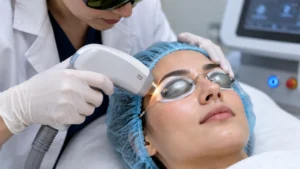
One commonly used procedure is selective laser trabeculoplasty (SLT). It is used primarily for open-angle glaucoma and works by improving fluid drainage through the eye’s natural drainage pathway. It can be performed in an office setting and may be used as an initial treatment, an alternative to medication in appropriate patients, or an additional treatment when pressure remains above target.
SLT has become an important part of modern glaucoma management. Evidence from the LiGHT trial supports its use as an effective treatment for open-angle glaucoma, although its pressure-lowering effect can diminish over time and some patients may need repeat treatment or additional therapy.
Is Laser Treatment the Same as Glaucoma Surgery?
Not exactly.
Laser trabeculoplasty does not involve creating the larger surgical drainage pathway used in procedures such as trabeculectomy. It is generally less invasive and can often be performed without the recovery period associated with traditional incisional surgery.
However, “less invasive” does not mean “better for everyone.” A patient with advanced glaucoma who needs very low eye pressure may require a more powerful surgical approach than laser treatment can provide.
Minimally Invasive Glaucoma Surgery (MIGS)
Minimally invasive glaucoma surgery, commonly called MIGS, has expanded the range of treatment choices available to many patients.
MIGS includes several procedures designed to lower eye pressure using small incisions and microscopic surgical techniques. These procedures generally aim to improve the eye’s natural fluid outflow while avoiding some of the risks associated with more extensive glaucoma surgery.
MIGS is often considered for patients with mild to moderate glaucoma, particularly when medications or laser treatment are insufficient, poorly tolerated, or inconvenient. Certain MIGS procedures can also be combined with cataract surgery when clinically appropriate.
The key limitation is that MIGS is not a universal replacement for traditional glaucoma surgery. When a patient needs a very low target pressure or has more advanced disease, procedures such as trabeculectomy or glaucoma drainage-device surgery may provide the greater pressure reduction required.
Traditional Glaucoma Surgery: When More Pressure Reduction Is Needed
For some patients, more established surgical procedures remain essential.
Trabeculectomy
Trabeculectomy creates a new pathway for fluid to leave the eye, helping lower intraocular pressure. It remains an important option when glaucoma is more advanced, progressing rapidly, or has not responded adequately to medications or laser treatment.
Glaucoma Drainage Implant Surgery
A drainage implant uses a small tube and reservoir to create an alternative route for fluid to exit the eye. This type of procedure can be useful in several complex forms of glaucoma and in situations where other approaches may be less suitable.
The choice between these procedures is not based on one test result alone. A careful glaucoma evaluation considers the optic nerve, visual field, eye pressure history, angle anatomy, previous surgery, medication response, and the level of pressure needed to protect the patient’s vision.
The Most Important Question: Which Surgery Is Right for You?

A good glaucoma consultation should focus on more than naming a procedure.
At LeeVision in Flushing, Queens, treatment planning should begin with understanding why your glaucoma is progressing and what level of pressure control your eyes actually require. Advanced diagnostic testing can help your ophthalmologist follow structural and functional changes over time and make treatment decisions based on your individual risk rather than a single pressure measurement.
For patients researching glaucoma surgeries in New York City, that individualized approach matters. The safest procedure is not automatically the newest procedure; it is the treatment whose potential benefits, risks, recovery demands, and expected pressure reduction make sense for that particular eye.
How Do Doctors Choose Between Different Glaucoma Surgeries?

Choosing among glaucoma surgeries is not simply a matter of selecting the newest or least invasive procedure. The decision is based on how much pressure reduction the eye needs, how advanced the glaucoma is, whether the drainage angle is open or closed, previous treatments, and how the optic nerve and visual field have changed over time.
For example, a patient with early or moderate open-angle glaucoma may be a reasonable candidate for laser treatment or MIGS, while someone with advanced disease may need a procedure capable of lowering eye pressure much more substantially. The same treatment can therefore be appropriate for one patient and inappropriate for another.
Factors That Can Influence the Decision
During a glaucoma evaluation, an ophthalmologist may consider:
- Current intraocular pressure and its pattern over time
- Optic nerve appearance
- Visual field results
- OCT imaging and other structural measurements
- Type and stage of glaucoma
- Previous laser or surgical treatment
- Response and tolerance to glaucoma medications
- Whether cataract surgery is also needed
- The amount of pressure reduction required to protect the optic nerve
This individualized approach is particularly important because glaucoma can continue progressing even when a single eye-pressure measurement appears acceptable. The treatment target should be based on the overall condition of the eye rather than one isolated number.
Glaucoma Surgery vs. Laser Treatment vs. MIGS
Patients often use these terms interchangeably, but they describe different treatment approaches.
| Treatment | Typical role | Main consideration |
|---|---|---|
| Laser trabeculoplasty | Often used for suitable open-angle glaucoma | Less invasive, but pressure lowering may not be enough for advanced disease |
| MIGS | Often considered for selected mild-to-moderate glaucoma | Generally designed for a favorable safety profile, but may not provide the very low pressure needed in advanced glaucoma |
| Trabeculectomy | Used when substantial pressure reduction is necessary | More intensive surgery with closer postoperative monitoring |
| Glaucoma drainage implant | Useful in various complex or advanced cases | Uses a tube-and-reservoir system and requires surgical recovery |
There is no universal “best” glaucoma surgery. The right option depends on the patient’s anatomy, disease severity, treatment history, and target pressure.
What Is Recovery Like After Glaucoma Surgery?
Recovery depends heavily on the procedure.
Laser treatment usually involves much less recovery than incisional surgery. Temporary soreness, swelling, irritation, or visual changes can occur after laser treatment, and these effects generally improve as the eye heals.
MIGS often has a relatively straightforward postoperative course, although recovery varies according to the specific procedure and whether it is combined with cataract surgery.
Traditional procedures such as trabeculectomy or glaucoma drainage implant surgery require more careful postoperative management. The eye may look red or irritated, vision can fluctuate temporarily, and patients are commonly given postoperative medications and activity restrictions. Recovery from these procedures can take several weeks rather than just a few days.
Why Are Follow-Up Visits So Important?
After glaucoma surgery, follow-up is not simply a routine check.
The ophthalmologist needs to determine whether the drainage pathway is functioning properly and whether the eye pressure is reaching the intended target. With filtering surgery, healing and scar formation can influence the final result, which is why postoperative examinations may be more frequent during the early recovery period.
Patients should therefore not judge the success of surgery only by how clear their vision feels immediately afterward. Glaucoma surgery is primarily performed to control pressure and protect the optic nerve.
What Are the Risks of Glaucoma Surgery?
Like any medical procedure, glaucoma surgery has potential risks. The type and likelihood of complications vary according to the operation and the individual patient.
The National Eye Institute notes that possible complications can include temporary swelling or soreness, cataract formation, corneal problems, eye pressure that becomes too low, and vision loss.
This does not mean complications are expected. Rather, these possibilities should be discussed before treatment so the patient understands the balance between potential benefit and risk.
One of the most important misconceptions is that surgery eliminates the need for lifelong glaucoma care. Glaucoma is a chronic disease, and even after successful surgery, continued monitoring is necessary. Some patients may still require medications or additional treatment later.
Can Glaucoma Surgery Restore Lost Vision?
This is one of the most important questions patients ask.
Glaucoma surgery is designed primarily to protect remaining vision, not restore optic nerve damage that has already occurred. Once glaucoma has permanently damaged the optic nerve, that lost tissue cannot simply be brought back by lowering eye pressure.
The purpose of lowering pressure is to reduce the likelihood of additional damage. This is why timely diagnosis, treatment, and long-term monitoring remain important even when a patient feels that their vision is currently normal.
Can Cataract Surgery and Glaucoma Surgery Be Combined?
Yes, in selected patients.
Some MIGS procedures can be performed during cataract surgery, allowing the surgeon to address both the cloudy natural lens and glaucoma during the same operation. Whether this approach is appropriate depends on the type and severity of glaucoma, the patient’s cataract, and the amount of pressure reduction needed.
This can be especially relevant for older adults who are already considering cataract surgery and are using glaucoma medications.
Questions Patients Commonly Ask About Glaucoma Surgeries
Will I still need glaucoma eye drops after surgery?
Possibly. Some patients can reduce their medication burden after successful treatment, while others still require one or more medications to maintain their target eye pressure. Surgery should not be viewed as a guaranteed replacement for every glaucoma eye drop.
Is laser eye surgery for glaucoma safer than traditional surgery?
Laser treatment is generally less invasive than incisional glaucoma surgery, but “safer” does not automatically mean “more appropriate.” A patient with advanced glaucoma may require a stronger pressure-lowering procedure, even if that procedure involves greater surgical complexity.
Is MIGS appropriate for advanced glaucoma?
Not always. MIGS offers important benefits for appropriately selected patients, but its pressure-lowering capability may be insufficient when an eye needs a very low target pressure. Traditional filtering or drainage procedures can remain important for advanced disease.
How long does glaucoma surgery last?
The duration of pressure control varies. Some procedures provide long-term benefit, but glaucoma remains a lifelong condition and treatment effects can change over time. Continued examinations are therefore essential even when surgery initially works well.
When should I see a glaucoma specialist near me?
A specialist evaluation is particularly valuable when glaucoma is progressing despite treatment, pressure remains above the desired target, medications are difficult to tolerate, or surgery has been recommended and you want a detailed discussion of alternatives.
For patients in Flushing, Queens, NYC, a comprehensive evaluation at LeeVision can help clarify the stage of glaucoma, the treatment goal, and which options may realistically protect vision over the long term. The emphasis should always remain on evidence-based treatment, patient safety, and shared decision-making rather than choosing a procedure simply because it is newer.
What Should You Know Before Having Glaucoma Surgery?
Before choosing among glaucoma surgeries, patients should understand that the purpose of treatment is long-term pressure control and preservation of remaining vision. Glaucoma usually develops gradually, and early disease may cause few or no noticeable symptoms. Once optic nerve damage occurs, treatment is aimed at preventing additional loss rather than reversing the damage already done.
A thorough evaluation should therefore look beyond the eye-pressure number. Your ophthalmologist may review optic nerve appearance, visual field testing, OCT imaging, the drainage angle, previous treatment response, and the rate at which the disease has changed.
For someone in Flushing, Queens, NYC, this individualized approach can be especially important when searching for a glaucoma specialist near me. The goal should be to understand your diagnosis and treatment options rather than simply finding the least invasive procedure.
What If Glaucoma Is Not Progressing?
Not every person with glaucoma needs surgery immediately.
Some patients remain well controlled with prescription eye drops, monitoring, or laser treatment. The need for surgery generally depends on whether the current treatment is providing adequate protection for the optic nerve. NEI notes that glaucoma treatment may include medications, laser treatment, or surgery depending on the individual’s condition.
That distinction matters because surgery has its own risks and recovery requirements. A good treatment plan balances the risk of glaucoma progression against the risks and benefits of intervention.
Why Regular Glaucoma Monitoring Still Matters After Surgery
Successful glaucoma surgery does not mean that follow-up can stop.
Glaucoma is a chronic condition, and pressure can change over time. The eye may also respond differently as it heals, which is why postoperative examinations are an important part of treatment.
Long-term monitoring may include eye-pressure measurements, optic nerve evaluation, visual field testing, and imaging when appropriate. These tests help determine whether the treatment is continuing to protect the patient’s vision.
This is also why patients should be cautious about judging treatment success solely by clearer or sharper vision. Glaucoma can progress without producing obvious day-to-day symptoms, particularly in its earlier stages.
Choosing a Glaucoma Specialist in Flushing, Queens
When looking for a glaucoma specialist near me, patients should consider more than convenience.
A comprehensive glaucoma evaluation should explain the type and severity of glaucoma, the target pressure, the reason a particular treatment is being considered, and what alternatives may be available.
At LeeVision in Flushing, Queens, New York City, patients can discuss glaucoma diagnosis and treatment within a broader ophthalmology setting. The priority should remain evidence-based care, careful monitoring, patient safety, and a treatment plan tailored to the individual eye.
Final Takeaway
There is no single best glaucoma surgery for every patient.
Laser eye surgery for glaucoma, MIGS, trabeculectomy, and glaucoma drainage procedures each have different roles. The appropriate choice depends on disease severity, anatomy, previous treatments, target eye pressure, and the amount of protection the optic nerve requires.
The most important step is not choosing a procedure from a list. It is understanding why your ophthalmologist recommends a particular treatment and how that treatment fits into a long-term plan for preserving vision.
Frequently Asked Questions About Glaucoma Surgeries
What are glaucoma surgeries?
Glaucoma surgeries are procedures used to lower pressure inside the eye and reduce the risk of further optic nerve damage. Depending on the type and severity of glaucoma, treatment may include laser therapy, MIGS, trabeculectomy, or glaucoma drainage-device surgery. The goal of glaucoma surgeries is not to restore already lost vision but to help preserve the vision that remains.
When are glaucoma surgeries necessary?
Glaucoma surgeries may be recommended when eye pressure remains above the desired target despite medications or laser treatment, when glaucoma continues to progress, or when the optic nerve requires greater pressure reduction. Not every patient with glaucoma needs surgery immediately. Your ophthalmologist determines whether glaucoma surgeries are appropriate based on the full clinical picture.
Is laser eye surgery for glaucoma the same as LASIK?
No. Laser eye surgery for glaucoma and LASIK are completely different treatments. Laser treatment for glaucoma is intended to improve fluid drainage and lower intraocular pressure, while LASIK reshapes the cornea to correct refractive errors such as nearsightedness. When patients search for laser eye surgery for glaucoma, they are generally looking for glaucoma-specific laser treatment rather than vision-correction surgery.
What types of laser eye surgery for glaucoma are available?
One commonly used form of laser eye surgery for glaucoma is selective laser trabeculoplasty, or SLT. It is primarily used for appropriate patients with open-angle glaucoma and works through the eye’s natural drainage system. The effectiveness of laser eye surgery for glaucoma varies from patient to patient, and some people may eventually need medication or another treatment.
Is laser eye surgery for glaucoma painful?
Most patients tolerate laser eye surgery for glaucoma well. The eye is typically numbed before treatment, although some patients may notice pressure, mild discomfort, or temporary irritation. Recovery is usually simpler than with many incisional glaucoma surgeries, but individual experiences can vary.
How long does laser eye surgery for glaucoma take?
A laser treatment appointment is generally much shorter and less invasive than traditional glaucoma surgeries. The exact timing depends on the procedure and the clinic’s protocol. Your ophthalmologist can explain how long your specific laser eye surgery for glaucoma appointment is expected to take.
Is laser eye surgery for glaucoma better than glaucoma surgery?
Not necessarily. Laser eye surgery for glaucoma can be an excellent option for selected patients, but traditional glaucoma surgeries may be necessary when substantially lower eye pressure is required. The best treatment depends on glaucoma severity, optic nerve damage, anatomy, previous treatment, and target pressure.
What is MIGS in glaucoma treatment?
MIGS stands for minimally invasive glaucoma surgery. These procedures use small incisions and specialized techniques to improve fluid outflow and lower eye pressure. MIGS is one category within modern glaucoma surgeries and may be considered for selected patients, particularly those with mild to moderate disease.
Is MIGS suitable for everyone?
No. Although MIGS has become an important option in modern glaucoma surgeries, it cannot replace every traditional procedure. Patients with advanced glaucoma may require a greater reduction in eye pressure than some MIGS procedures can provide. Your ophthalmologist should explain why one form of glaucoma surgery is more appropriate than another.
What is a trabeculectomy?
Trabeculectomy is a surgical procedure that creates a new pathway for fluid to leave the eye. It can provide substantial pressure reduction and remains an important option for certain patients with advanced or difficult-to-control glaucoma. As one of the established glaucoma surgeries, trabeculectomy requires careful postoperative monitoring.
What is a glaucoma drainage implant?
A glaucoma drainage implant uses a small tube and reservoir to help direct fluid away from the eye. It is another form of glaucoma surgery that may be considered in complex, advanced, or previously treated cases. The decision depends on the patient’s individual anatomy and glaucoma history.
Can glaucoma surgeries restore lost vision?
Generally, no. Glaucoma surgeries are designed primarily to lower eye pressure and protect the optic nerve from additional damage. They do not normally reverse permanent optic nerve damage that has already occurred. This is why early diagnosis and appropriate treatment are so important.
Will I still need eye drops after glaucoma surgeries?
Possibly. Some patients use fewer medications after successful glaucoma surgeries, while others continue using glaucoma drops to maintain their target pressure. Surgery does not necessarily eliminate the need for long-term glaucoma monitoring or treatment.
How long is recovery after glaucoma surgeries?
Recovery depends on the specific procedure. Laser eye surgery for glaucoma generally involves less recovery than traditional incisional surgery, while procedures such as trabeculectomy or drainage-device surgery may require more follow-up and a longer healing period. Your surgeon will provide individualized recovery instructions after glaucoma surgery.
What are the risks of glaucoma surgeries?
Potential risks vary by procedure and can include inflammation, changes in eye pressure, infection, bleeding, corneal problems, cataract development, or the need for additional treatment. The risks associated with glaucoma surgeries should always be discussed in relation to the potential benefit of protecting the optic nerve.
Can glaucoma surgeries fail?
Yes. No glaucoma procedure guarantees permanent pressure control. Healing, scar formation, the underlying type of glaucoma, and other individual factors can affect the result. Some patients who undergo glaucoma surgeries may eventually require additional medication, laser treatment, or another procedure.
Can glaucoma surgeries be combined with cataract surgery?
Yes, in selected patients. Certain MIGS procedures can be performed during cataract surgery when the patient’s glaucoma and cataract characteristics make the combination appropriate. Combining procedures is not automatically the best choice, so the potential benefits and limitations of both treatments should be discussed.
How do doctors decide which glaucoma surgeries are best?
The choice among glaucoma surgeries depends on several factors, including the type and stage of glaucoma, optic nerve damage, visual field results, eye-pressure history, drainage anatomy, previous treatments, and the amount of pressure reduction needed. A treatment that is reasonable for one patient may not be appropriate for another.
What should I ask before undergoing glaucoma surgeries?
Before choosing glaucoma surgeries, ask why the procedure is being recommended, what target eye pressure is being pursued, what alternatives are available, what risks apply to your eye, how long recovery may take, and whether you may still need glaucoma medications afterward. Understanding these points can make the treatment decision much clearer.
When should I look for a glaucoma specialist near me?
Searching for a glaucoma specialist near me can be especially useful when your glaucoma is progressing despite treatment, your pressure remains above target, you are using several medications, or surgery has been recommended. A glaucoma specialist can evaluate whether medication, laser eye surgery for glaucoma, MIGS, or a more traditional procedure best fits your condition.
What should I look for in a glaucoma specialist near me?
When comparing a glaucoma specialist near me, look for an ophthalmologist who provides comprehensive glaucoma evaluation, explains the reasoning behind treatment recommendations, discusses alternatives, and follows patients over time. The most important issue is not simply proximity but appropriate expertise and individualized care.
Can a glaucoma specialist near me perform laser eye surgery for glaucoma?
Many ophthalmologists with glaucoma expertise provide or coordinate laser treatment for appropriate patients. A glaucoma specialist near me can determine whether laser eye surgery for glaucoma is suitable based on the type and stage of your disease.
Is glaucoma surgery better than using eye drops?
Not automatically. Eye drops can effectively control glaucoma for many patients, while glaucoma surgeries may become necessary when medication does not adequately lower pressure, causes troublesome side effects, or is insufficient to prevent progression. Treatment should be based on the individual’s risk and response.
Can I avoid glaucoma surgeries if my eye pressure is normal?
A normal-looking pressure reading does not necessarily mean glaucoma is completely controlled. Some patients can experience progression at pressures that appear normal, depending on the type of glaucoma and optic nerve susceptibility. Your ophthalmologist determines whether continued observation, medication, laser eye surgery for glaucoma, or another form of treatment is appropriate.
Do glaucoma surgeries cure glaucoma?
No. Glaucoma surgeries treat an important part of the disease by lowering eye pressure, but glaucoma remains a chronic condition requiring long-term monitoring. Even after successful glaucoma surgery, regular examinations are important for protecting vision.
Are glaucoma surgeries safe for older adults?
Age alone does not determine whether glaucoma surgeries are appropriate. Overall health, eye condition, glaucoma severity, medications, and expected benefit all need to be considered. A comprehensive ophthalmic evaluation helps determine whether surgery is appropriate for an older adult.
Where can I find glaucoma treatment in Flushing, Queens, NYC?
Patients searching for a glaucoma specialist near me in Flushing, Queens, NYC can seek a comprehensive ophthalmology evaluation to understand their diagnosis and treatment options. At LeeVision, patients can discuss glaucoma management, diagnostic testing, laser treatment, and appropriate glaucoma surgeries as part of an individualized treatment plan.