


How to Grow My Eyelashes Naturally: Safe, Healthy Ways to Support Longer, Stronger Lashes
Healthy eyelashes do more than enhance appearance—they protect your eyes from dust, debris, and small particles while helping reduce irritation. One of the most common questions patients ask during routine eye exams is, “How to grow my eyelashes safely without damaging my eyes?” The answer depends on why your lashes have become thinner in the first place.
Many people notice lash thinning after frequent eyelash extensions, heavy mascara use, aging, hormonal changes, stress, allergies, or rubbing their eyes because of dry eye disease. In most cases, eyelashes can grow back naturally, but the timeline and treatment options vary from person to person.
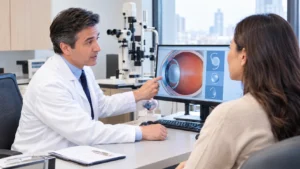
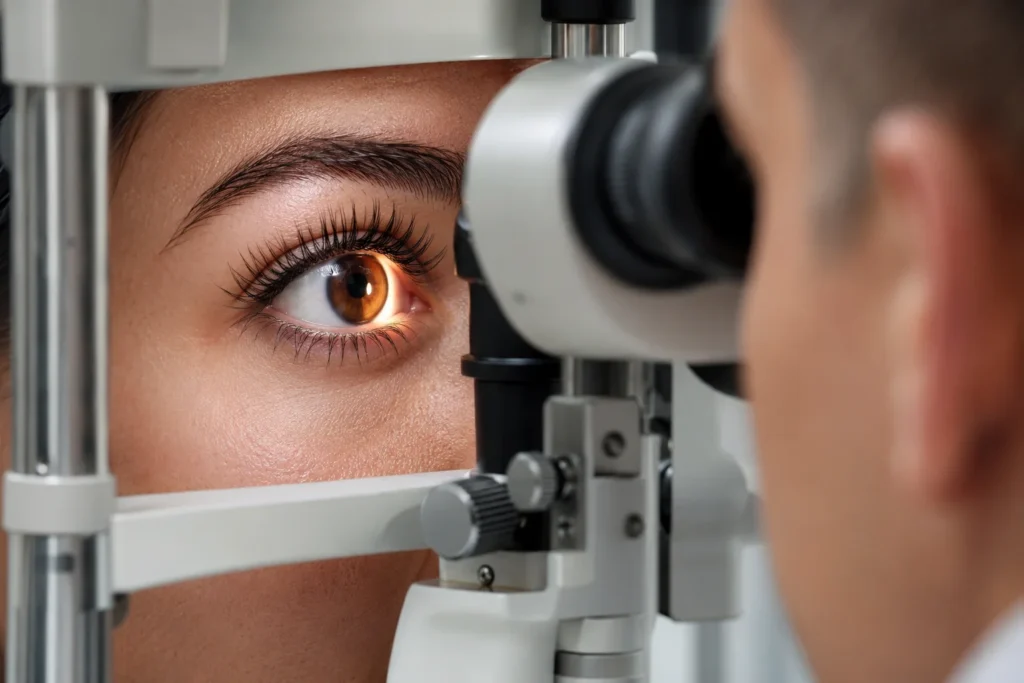
At LeeVision in Flushing, Queens, New York City, Board-Certified Ophthalmologist Dr. David H. Lee, MD encourages patients to focus on eye health first. Strong, healthy eyelashes usually begin with healthy eyelids, clean lash follicles, and addressing any underlying eye conditions that may interfere with normal growth.
Why Do Eyelashes Become Thin or Fall Out?
Unlike scalp hair, eyelashes follow a shorter growth cycle. It is completely normal to lose a few lashes every day, but excessive shedding often signals irritation, inflammation, or damage to the eyelash follicles.
Common causes include:
- Frequent use of eyelash extensions
- Waterproof mascara that’s difficult to remove
- Excessive rubbing due to allergies or dry eyes
- Blepharitis (eyelid inflammation)
- Hormonal changes
- Nutritional deficiencies
- Aging
- Certain medications
- Stress and illness
Patients are often surprised to learn that the problem isn’t always the eyelash itself. In many cases, the health of the eyelid determines whether lashes continue growing normally.
Understanding the Eyelash Growth Cycle
One reason people become frustrated is expecting immediate results. Eyelashes grow much more slowly than scalp hair because each lash follows its own natural cycle.
| Growth Stage | What Happens | Average Duration |
|---|---|---|
| Growth Phase (Anagen) | New eyelash actively grows | 4–10 weeks |
| Transition Phase (Catagen) | Growth slows and follicle prepares to rest | 2–3 weeks |
| Resting Phase (Telogen) | Lash remains in place before naturally shedding | Up to 3 months |
Since each eyelash is at a different stage, it’s normal to notice occasional shedding without developing noticeable gaps.
Understanding this cycle also helps answer another common question: how long for eyelashes to grow back? Even healthy lashes need time because new growth begins deep inside the follicle before becoming visible.
How to Grow My Eyelashes Safely
There is no overnight solution for longer eyelashes. Instead, healthy lash growth depends on protecting the follicles while creating the best environment for natural regrowth.
Keep Your Eyelids Clean
Healthy eyelids support healthy eyelashes.
Oil, makeup residue, bacteria, and dead skin can block lash follicles over time. Gentle eyelid cleansing removes debris without irritating the delicate skin around your eyes.
For patients who wear makeup daily or contact lenses, maintaining eyelid hygiene is especially important.
Remove Eye Makeup Gently
One of the biggest mistakes ophthalmologists see is aggressive makeup removal.
Avoid:
- Pulling on eyelashes
- Scrubbing the eyelids
- Sleeping with mascara on
- Using harsh makeup removers repeatedly
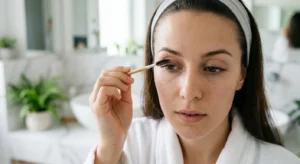
Instead, use a gentle cleanser designed for the eye area and allow makeup to dissolve before wiping it away.
Reducing mechanical damage helps existing lashes stay in place longer while new ones continue growing.
Eat a Nutrient-Rich Diet
Eyelashes are made primarily of keratin, a structural protein. Your body needs adequate nutrition to produce healthy hair.
Important nutrients include:
- Protein
- Iron
- Zinc
- Biotin (only if deficient)
- Vitamin D
- Vitamin E
- Omega-3 fatty acids
Most people benefit more from a balanced diet than from expensive “lash growth” supplements marketed online.
Manage Dry Eye and Allergies
Many patients seeking longer lashes actually have untreated eye irritation.
Dry eyes and seasonal allergies often cause frequent rubbing, which places repeated stress on delicate lash follicles.
During allergy seasons in Flushing, Queens, NYC, ophthalmologists commonly see increased eyelash shedding simply because irritated eyes are rubbed more often.
Treating the underlying eye condition may reduce unnecessary lash loss.
Give Your Lashes a Break
If you’ve worn eyelash extensions continuously for months, consider taking a break.
Extensions themselves don’t always damage lashes, but:
- Heavy extensions
- Improper application
- Pulling extensions off
- Strong adhesives
can weaken natural eyelashes over time.
Allowing natural lashes time to recover often improves overall lash health.
Can Eyelash Serums Really Work?
This is another question patients frequently ask during consultations.
The answer is: some can—but not all are created equal.
Prescription medications approved for eyelash growth have been studied more extensively than many cosmetic serums sold online.
Cosmetic lash conditioners may help moisturize existing lashes, making them appear fuller and less brittle, but they typically do not produce the same level of growth as prescription treatments.
Because some products may cause eye irritation, redness, skin darkening, or other side effects, it’s best to consult an eye care professional before using any eyelash growth serum—especially if you have glaucoma, dry eye disease, sensitive eyes, or wear contact lenses.
Common Mistakes That Slow Eyelash Growth
Even with the best intentions, certain habits can interfere with healthy lash regrowth.
These include:
- Pulling out loose eyelashes
- Sleeping in eye makeup
- Wearing poorly fitted eyelash extensions
- Using expired cosmetics
- Sharing eye makeup with others
- Ignoring eyelid inflammation
- Frequently rubbing itchy eyes
Small daily habits often have a bigger impact on eyelash health than expensive beauty products.
When Should You See an Ophthalmologist?
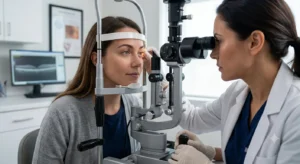
Occasional eyelash shedding is normal. However, medical evaluation is recommended if you notice:
- Sudden loss of large numbers of eyelashes
- Bald patches along the eyelid
- Red, swollen, or painful eyelids
- Persistent itching or crusting
- Eyelash loss after an eye infection
- Recurrent eyelid inflammation
An ophthalmologist can determine whether the problem is cosmetic or related to an underlying eye condition that requires treatment.
How Long Does It Take Eyelashes to Grow Back?
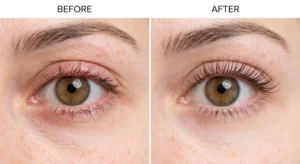
One of the most searched questions online is “how long does it take eyelashes to grow back?” The honest answer is that it depends on why the eyelashes were lost.
If a lash falls out naturally as part of its normal growth cycle, a new one usually begins growing from the same follicle. However, if the follicle has been damaged by repeated pulling, chronic eyelid inflammation, or certain medical conditions, regrowth may take longer or require treatment.
Most patients start noticing new lash growth within 6 to 8 weeks, while full replacement can take 3 to 4 months. In some cases, especially after significant follicle damage, recovery may take even longer.
How Long for Eyelashes to Grow Back After Extensions?
Eyelash extensions are one of the most common reasons patients notice thinner lashes.
The extensions themselves do not permanently damage eyelashes when they are properly applied and removed. Problems usually occur when:
- Extensions are too heavy.
- Adhesive irritates the eyelids.
- Extensions are pulled off instead of professionally removed.
- Natural lashes are repeatedly stressed without breaks.
If the follicles remain healthy, natural eyelashes generally recover over several weeks. Giving your lashes a break from extensions allows the growth cycle to return to normal.
How Long Does Your Eyelashes Take to Grow Back After Pulling Them Out?
When an eyelash is accidentally pulled out, the follicle needs time to begin producing a new lash.
Typical recovery looks like this:
| Situation | Expected Regrowth |
|---|---|
| Naturally shed eyelash | Around 6–8 weeks |
| Eyelash pulled out | Approximately 2–4 months |
| Lash loss after extensions | Often 6–12 weeks |
| Follicle damaged by repeated pulling | May take several months or require medical evaluation |
If new lashes do not appear after several months, it is worth scheduling an eye examination to determine whether inflammation, scarring, or another condition is affecting the follicle.
Factors That Can Slow Eyelash Regrowth
Not everyone experiences the same healing timeline. Several factors influence how quickly eyelashes return.
Age
As we get older, hair follicles naturally become less active. Eyelashes may grow back more slowly than they did in younger years.
Eyelid Health
Conditions such as blepharitis or chronic eyelid irritation can interfere with normal lash growth until the inflammation is treated.
Nutrition
A balanced diet supports healthy hair production. Deficiencies in nutrients such as iron or protein may contribute to slower regrowth.
Everyday Habits
Simple habits can make a noticeable difference, including:
- Avoiding frequent eye rubbing
- Removing makeup gently
- Replacing old eye cosmetics
- Keeping eyelids clean
- Limiting unnecessary eyelash extension use
Can You Make Eyelashes Grow Faster?
Many products promise overnight results, but there is no scientifically proven way to dramatically speed up the natural eyelash growth cycle.
Instead, focus on creating the healthiest possible environment for your lashes by:
- Practicing good eyelid hygiene.
- Managing dry eye disease and allergies.
- Eating a nutrient-rich diet.
- Avoiding unnecessary trauma to the lashes.
- Discussing prescription treatment with an ophthalmologist if appropriate.
Healthy follicles are much more important than quick cosmetic fixes.
Prescription Treatments for Eyelash Growth
Some patients ask whether medical treatments are available for sparse eyelashes.
Prescription eyelash-growth medications may be recommended for carefully selected patients after a comprehensive eye examination. These treatments work by extending the active growth phase of the eyelash cycle.
However, they are not appropriate for everyone.
Potential side effects may include:
- Eye redness
- Eyelid irritation
- Skin darkening around the eyelids
- Changes in iris color in rare situations
Because of these considerations, treatment should always be discussed with an eye care professional before starting.
When Eyelash Loss Could Be a Medical Problem
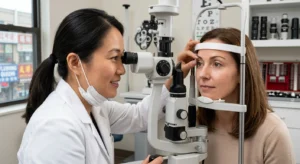
Occasional shedding is normal, but significant eyelash loss may indicate an underlying medical condition.
An ophthalmologist should evaluate eyelash loss if you notice:
- Loss of eyelashes on one eyelid only
- Red, swollen, or painful eyelids
- Crusting around the lash line
- Recurrent styes
- Persistent itching
- Hair loss affecting the eyebrows as well
- No visible regrowth after several months
Early diagnosis can help protect both eyelid health and long-term eye comfort.
Protecting Your Eyelashes for the Long Term
Patients often focus on growing new eyelashes but overlook the importance of protecting the ones they already have.
Long-term eyelash care includes:
- Removing makeup before sleeping
- Wearing quality eye cosmetics
- Replacing mascara every three months
- Washing hands before touching your eyes
- Treating allergies promptly
- Scheduling regular comprehensive eye exams
- Avoiding unnecessary pulling or rubbing
These simple habits help maintain healthier eyelashes and reduce preventable shedding.
Why Professional Eye Care Matters
Persistent eyelash thinning is not always a cosmetic concern. Sometimes it is the first sign of eyelid disease, chronic inflammation, or another eye condition that requires medical attention.
At LeeVision in Flushing, Queens, New York City, Dr. David H. Lee, MD, a Board-Certified Ophthalmologist, evaluates patients with evidence-based diagnostic techniques to identify the underlying cause of eyelash loss and recommend personalized treatment when appropriate.
Rather than relying on internet trends or unverified beauty products, an eye examination can help determine whether your lashes simply need time to regrow or whether a treatable medical condition is affecting their growth.
Frequently Asked Questions
How to grow my eyelashes naturally?
If you’re wondering how to grow my eyelashes, start by protecting your natural eyelash follicles. How to grow my eyelashes safely involves keeping your eyelids clean, avoiding excessive eye rubbing, eating a balanced diet, and removing makeup gently. If you are still searching for how to grow my eyelashes, an ophthalmologist can determine whether an underlying eye condition is preventing healthy lash growth.
What is the best way to grow my eyelashes?
The best answer to how to grow my eyelashes is to support healthy eyelids and healthy follicles. How to grow my eyelashes is not about finding a miracle product—it is about giving your natural lashes time to complete their growth cycle while preventing damage from extensions, harsh makeup removal, and chronic eye irritation.
Can I grow my eyelashes without using a serum?
Yes. Many patients searching how to grow my eyelashes are surprised to learn that good eyelid hygiene, proper nutrition, and avoiding unnecessary trauma can support natural eyelash growth. How to grow my eyelashes naturally is often possible when the follicles remain healthy.
How long for eyelashes to grow back naturally?
One of the most common questions is how long for eyelashes to grow back after they fall out naturally. In most healthy adults, how long for eyelashes to grow back depends on the eyelash growth cycle. New lashes often begin appearing within 6 to 8 weeks, while complete replacement may take around 3 to 4 months.
How long for eyelashes to grow back after eyelash extensions?
If you are asking how long for eyelashes to grow back after removing eyelash extensions, the answer depends on whether the follicles were damaged. Most people notice improvement within several weeks, although how long for eyelashes to grow back varies from person to person.
How long does it take eyelashes to grow back after pulling one out?
Many patients ask how long does it take eyelashes to grow back after accidentally pulling out an eyelash. How long does it take eyelashes to grow back depends on the health of the follicle, but most eyelashes begin regrowing within a few weeks and continue growing over several months.
how long does it take eyelashes to grow back after an eye infection?
If inflammation affected the eyelid, how long does it take eyelashes to grow back may be longer than normal. In many cases, how long does it take eyelashes to grow back depends on how quickly the infection resolves and whether the follicle remains healthy.
How long does your eyelashes take to grow back after wearing false lashes?
A frequently searched question is how long does your eyelashes take to grow back after wearing false eyelashes. Usually, how long does your eyelashes take to grow back depends on whether the natural lashes were pulled out or simply shed during the normal growth cycle.
How long does your eyelashes take to grow back if they are damaged?
If the follicles remain healthy, how long does your eyelashes take to grow back is generally around 2 to 4 months. However, how long does your eyelashes take to grow back may be longer if repeated pulling or inflammation has damaged the follicle.
Does rubbing my eyes affect how to grow my eyelashes?
Yes. Patients searching how to grow my eyelashes should avoid rubbing their eyes because repeated friction can weaken lash follicles. If you’re wondering how to grow my eyelashes, protecting your existing lashes is just as important as encouraging new growth.
Can dry eye disease affect how to grow my eyelashes?
Yes. Dry eye disease may lead to frequent eye rubbing, which can interfere with how to grow my eyelashes naturally. Treating dry eye symptoms often supports healthier eyelids and creates a better environment for natural lash regrowth.
When should I see an ophthalmologist about eyelash loss?
If you’re searching how to grow my eyelashes because your lashes continue falling out, develop bald patches, or fail to regrow after several months, schedule a comprehensive eye examination. Persistent eyelash loss may indicate blepharitis, dry eye disease, allergies, or another condition requiring professional treatment.
Can an ophthalmologist help if I want to know how to grow my eyelashes?
Absolutely. If you’ve been searching how to grow my eyelashes without success, an ophthalmologist can evaluate your eyelids, eyelash follicles, and overall eye health. Instead of relying on internet myths, you’ll receive evidence-based recommendations tailored to the cause of your eyelash loss.