



Reason for Itchy Eyes: Common Causes, Relief Options, and When to See an Eye Doctor
Itchy eyes are one of the most common reasons people schedule an eye appointment. While occasional itching may seem like a minor irritation, persistent symptoms can interfere with work, sleep, reading, driving, and even wearing contact lenses comfortably. Many people assume itchy eyes are always caused by allergies, but that is only one possibility. Dry eye disease, eyelid inflammation, environmental irritants, infections, and even certain contact lens habits can all contribute to ongoing discomfort.
In a busy community like Flushing, Queens, New York City, many patients spend long hours in front of computers, commute through traffic and public transportation, or are exposed to seasonal pollen and air pollution. These everyday factors can affect the delicate surface of the eyes and trigger itching that keeps returning despite using over-the-counter eye drops.
At LeeVision, Board-Certified Ophthalmologist Dr. David H. Lee, MD, often explains that successfully treating itchy eyes begins with identifying the underlying cause rather than simply masking the symptoms. Understanding why your eyes itch is the first step toward lasting relief and protecting your long-term eye health.
Why Do Eyes Become Itchy?
The surface of your eye is covered by a thin tear film that keeps it smooth, hydrated, and protected from dust, allergens, and bacteria. When this protective layer becomes unstable or irritated, the nerves on the eye’s surface become more sensitive, creating the urge to rub your eyes.
Although rubbing may provide temporary relief, it often worsens inflammation and can damage the delicate tissues around the eye. In people with chronic allergies or dry eye disease, frequent rubbing may even increase the risk of additional eye problems over time.
The exact reason for itchy eyes varies from person to person, which is why a proper eye examination is often necessary when symptoms persist.
The Most Common Reasons for Itchy Eyes
Eye Allergies
Allergic conjunctivitis is one of the leading causes of itchy eyes. During allergy season, pollen from trees, grass, and weeds can trigger an immune response that causes redness, tearing, swelling, and intense itching.
Many patients notice their symptoms become worse outdoors, especially during spring and fall, while others react to pet dander, dust mites, mold, or indoor allergens throughout the year.
Common allergy symptoms include:
- Persistent itching in both eyes
- Watery eyes
- Redness
- Puffy eyelids
- Sneezing or nasal congestion
Unlike bacterial eye infections, allergy-related itching usually affects both eyes and does not produce thick yellow or green discharge.
Dry Eye Disease
Many people are surprised to learn that dry eye disease is another major reason for itchy eyes. When the eyes do not produce enough healthy tears or when tears evaporate too quickly, the eye surface becomes inflamed.
Patients often describe a combination of symptoms rather than simple dryness, including:
- Itching
- Burning
- Stinging
- Gritty sensation
- Fluctuating vision
- Eye fatigue after screen use
Office workers, students, and anyone spending several hours each day on digital devices commonly experience these symptoms because blinking decreases while concentrating on screens.
If dry eye becomes chronic, your ophthalmologist may recommend treatments beyond artificial tears. For some patients with meibomian gland dysfunction, intense pulse light therapy for dry eyes can help reduce inflammation around the eyelids and improve the quality of the natural tear film. This treatment is not appropriate for everyone, which is why a personalized evaluation is important before deciding whether it is the right option.
Contact Lens Irritation
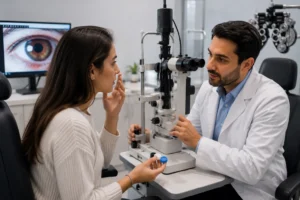
Contact lenses can provide excellent vision correction, but wearing them for extended periods, sleeping in lenses that are not approved for overnight use, or failing to clean them properly may irritate the eye surface.
Many patients also ask, are contact lenses the same prescription to glasses? The answer is no. Although both prescriptions correct vision, contact lenses sit directly on the eye, while glasses rest several millimeters away. Because of this difference, contact lens prescriptions include additional measurements such as base curve and diameter to ensure proper fit and comfort. Wearing an outdated or incorrect contact lens prescription may increase irritation, dryness, and eye discomfort.
Signs that your contact lenses may be contributing to itchy eyes include:
- Itching shortly after inserting lenses
- Dryness near the end of the day
- Blurry vision while wearing contacts
- Feeling like something is stuck in the eye
- Increased discomfort in air-conditioned environments
Replacing lenses as recommended and attending regular contact lens examinations can significantly reduce these problems.
When Itchy Eyes May Signal Something More Serious
Although most causes of itchy eyes are not emergencies, persistent symptoms should not be ignored, especially when they are accompanied by:
- Significant eye pain
- Sensitivity to light
- Thick discharge
- Sudden vision changes
- Swelling around only one eye
- Symptoms that continue despite treatment
These signs may indicate an eye infection, corneal problem, or another condition requiring prompt evaluation by an ophthalmologist. Early diagnosis often prevents complications and allows treatment to begin before vision is affected.
How an Ophthalmologist Finds the Real Reason for Itchy Eyes
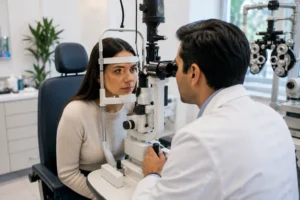
Because itchy eyes can have many different causes, treatment should never be based on symptoms alone. During an eye examination, your ophthalmologist looks beyond redness or irritation to determine what is affecting the surface of your eyes. Treating allergies when the real problem is dry eye disease—or vice versa—often leads to ongoing discomfort and frustration.
At LeeVision in Flushing, Queens, Dr. David H. Lee, MD, takes an individualized approach by evaluating your symptoms, lifestyle, eye health history, and the condition of your tear film before recommending treatment
Questions Your Eye Doctor May Ask
Your answers help narrow down the cause of your symptoms. Common questions include:
- When did the itching begin?
- Is one eye affected or both?
- Do symptoms worsen during certain seasons?
- How many hours do you spend on digital screens?
- Do you wear contact lenses regularly?
- Have you recently changed eye makeup, skincare products, or medications?
- Do you also experience burning, tearing, blurred vision, or light sensitivity?
Small details often provide valuable clues that lead to a more accurate diagnosis.
Tests That May Be Recommended
Depending on your symptoms, your ophthalmologist may perform:
- A comprehensive eye examination
- Tear film evaluation
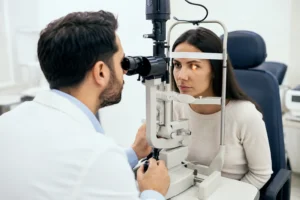
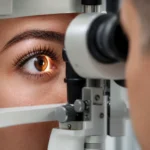
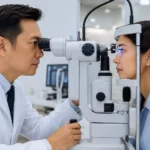
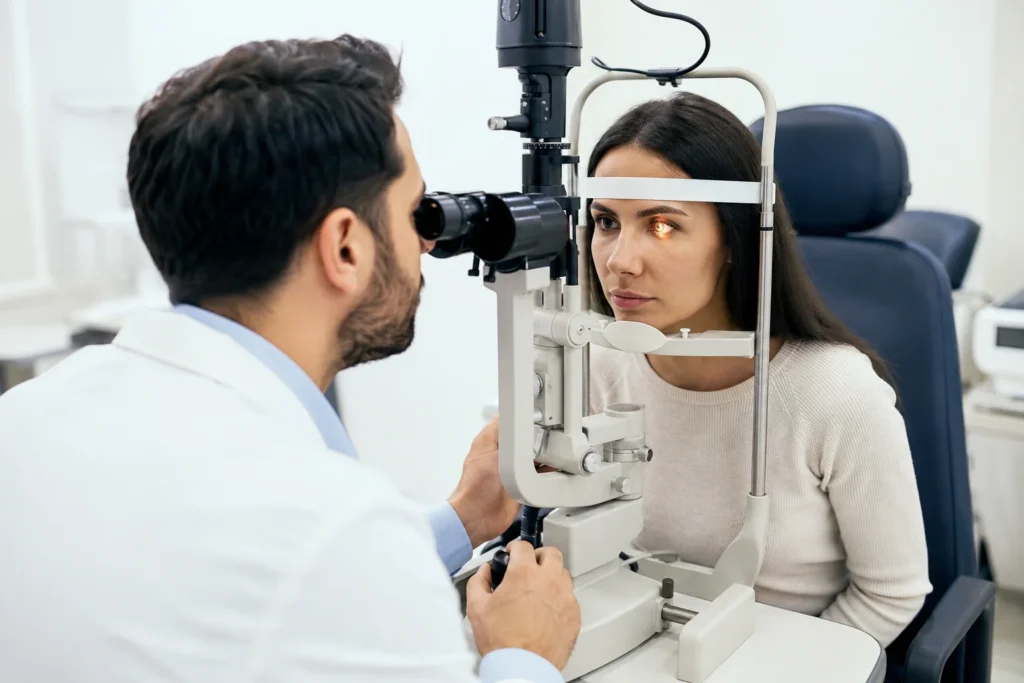
- Slit-lamp examination to inspect the front of the eye
- Eyelid and meibomian gland assessment
- Fluorescein staining to detect damage on the cornea
- Contact lens fit evaluation if you wear lenses
These painless tests help identify whether itching is caused by allergies, dry eye disease, blepharitis, contact lens irritation, or another eye condition.
Treatment Depends on the Underlying Cause
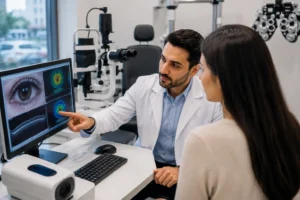
There is no single treatment that works for every patient. The best results come from treating the specific condition responsible for the itching.
| Cause | Common Treatment Options | Goal of Treatment |
|---|---|---|
| Seasonal allergies | Allergy eye drops, cold compresses, limiting allergen exposure | Reduce allergic inflammation |
| Dry eye disease | Artificial tears, warm compresses, prescription medications, lifestyle changes | Restore a healthy tear film |
| Meibomian gland dysfunction | Lid hygiene, warm compresses, intense pulse light therapy for dry eyes when appropriate | Improve oil gland function and reduce tear evaporation |
| Contact lens irritation | Updating lens prescription, improving lens hygiene, changing lens material or wear schedule | Improve comfort and protect the eye surface |
| Blepharitis | Eyelid cleansing, prescription treatment when needed | Reduce bacteria and eyelid inflammation |
Every treatment plan should be personalized because the same symptom can have very different underlying causes.
Can Intense Pulse Light Therapy Help Dry Eye?
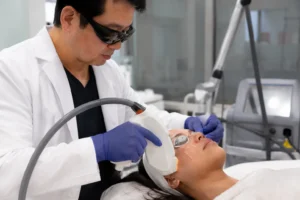
For some patients, yes. Chronic dry eye is often linked to meibomian gland dysfunction, a condition where the tiny oil glands along the eyelids become blocked. Without enough healthy oil, tears evaporate too quickly, leaving the eyes dry, irritated, and itchy.
Intense pulse light therapy for dry eyes uses carefully controlled light pulses around the eyelids to reduce inflammation and improve the function of these oil glands. As healthier oil reaches the tear film, many patients experience more stable tears and fewer dry eye symptoms.
However, IPL is not the first treatment for everyone. Your ophthalmologist will evaluate:
- The cause of your dry eye
- Severity of symptoms
- Eyelid gland function
- Skin type
- Previous treatments you’ve tried
A thorough evaluation helps determine whether IPL is likely to provide meaningful benefit as part of a comprehensive dry eye treatment plan.
Everyday Habits That Can Make Itchy Eyes Worse
Many patients unknowingly continue habits that keep the eyes irritated even while using eye drops.
Common triggers include:
- Rubbing your eyes repeatedly
- Wearing contact lenses longer than recommended
- Looking at screens for hours without blinking enough
- Sleeping while wearing contact lenses
- Using expired eye makeup
- Poor contact lens hygiene
- Exposure to cigarette smoke or air pollution
- Low indoor humidity from heating or air conditioning
Recognizing and correcting these habits is often an important part of long-term symptom control.
Tips to Help Prevent Itchy Eyes
While not every cause can be prevented, healthy daily habits can reduce irritation and support long-term eye comfort.
Consider these practical steps:
- Wash your hands before touching your eyes.
- Avoid rubbing itchy eyes whenever possible.
- Use preservative-free artificial tears if recommended by your eye doctor.
- Follow the 20-20-20 rule during prolonged screen use.
- Replace contact lenses according to the prescribed schedule.
- Clean reusable contact lenses properly every day.
- Wear sunglasses outdoors to reduce exposure to pollen, dust, and wind.
- Keep indoor air comfortably humid during dry seasons.
- Remove eye makeup completely before sleeping.
- Schedule routine comprehensive eye examinations, especially if symptoms keep returning.
These simple habits can reduce irritation and help maintain a healthier ocular surface over time.
Why Persistent Itchy Eyes Should Not Be Ignored
Occasional itching after spending time outdoors or during allergy season is common. However, symptoms that repeatedly return or interfere with your daily activities deserve professional evaluation.
Chronic itching may indicate dry eye disease, eyelid inflammation, contact lens complications, allergies, or other eye conditions that require targeted treatment. Early diagnosis not only improves comfort but also helps protect the health of the eye’s surface and supports long-term vision.
Many patients are surprised to discover that the problem is not simply “allergies.” A comprehensive eye examination often identifies contributing factors that over-the-counter eye drops alone cannot address.
Frequently Asked Questions
What is the most common reason for itchy eyes?
The most common reason for itchy eyes is seasonal allergies, but dry eye disease, blepharitis, contact lens irritation, and environmental pollutants can also cause persistent itching. A comprehensive eye examination is the best way to identify the exact reason for itchy eyes and choose the right treatment.
Can dry eye disease be the reason for itchy eyes?
Yes. Dry eye disease is a very common reason for itchy eyes. When your tears evaporate too quickly or are of poor quality, the eye surface becomes irritated, leading to itching, burning, redness, and blurred vision.
When should I worry about the reason for itchy eyes?
If the reason for itchy eyes is accompanied by severe pain, vision changes, light sensitivity, swelling, or thick discharge, you should schedule an eye examination as soon as possible. Persistent symptoms should never be ignored.
Can allergies cause itchy eyes all year round?
Yes. Dust mites, pet dander, mold, and indoor allergens may become the reason for itchy eyes throughout the year, while pollen usually causes seasonal flare-ups during spring and fall.
Are contact lenses the same prescription to glasses?
No. Are contact lenses the same prescription to glasses? The answer is no. Contact lenses require additional measurements, including base curve and diameter, because they sit directly on the eye. A glasses prescription should not be used to order contact lenses without a proper contact lens fitting.
Why do my contact lenses make my eyes itchy?
One possible reason for itchy eyes is wearing contact lenses too long, poor lens hygiene, protein buildup, or an outdated prescription. If you are wondering, are contact lenses the same prescription to glasses, remember that an incorrect contact lens prescription may also contribute to irritation.
Can wearing the wrong contact lens prescription cause itching?
Yes. Since are contact lenses the same prescription to glasses is a common misconception, many people use an outdated prescription. Incorrect contact lenses can reduce comfort, increase dryness, and become another reason for itchy eyes.
Can intense pulse light therapy for dry eyes reduce itching?
Yes, intense pulse light therapy for dry eyes may improve symptoms in patients with meibomian gland dysfunction. By reducing inflammation and improving oil gland function, intense pulse light therapy for dry eyes can help stabilize the tear film and decrease chronic itching.
Who is a good candidate for intense pulse light therapy for dry eyes?
Patients diagnosed with meibomian gland dysfunction may benefit from intense pulse light therapy for dry eyes. However, an ophthalmologist should first evaluate your eye health to determine whether intense pulse light therapy for dry eyes is appropriate for your condition.
Can screen time become the reason for itchy eyes?
Absolutely. Long hours on computers and smartphones reduce blinking, causing tears to evaporate faster. For many office workers in Flushing, Queens, prolonged screen use becomes a major reason for itchy eyes.
Is rubbing my eyes making the problem worse?
Yes. Rubbing your eyes may temporarily relieve itching, but it often increases inflammation and can worsen the underlying reason for itchy eyes, especially if allergies or dry eye disease are present.
Can children have the same reason for itchy eyes as adults?
Yes. Children can experience the same reason for itchy eyes, including allergies, dry eye, eyelid inflammation, and environmental irritants. An eye examination helps determine the exact cause.
What home remedies help with the reason for itchy eyes?
Depending on the reason for itchy eyes, helpful measures include cool compresses, avoiding allergens, using preservative-free artificial tears, practicing proper eyelid hygiene, and limiting eye rubbing. If symptoms continue, professional evaluation is recommended.
How can I prevent itchy eyes if I wear contact lenses?
Follow proper lens hygiene, replace lenses on schedule, avoid sleeping in contact lenses unless approved, and attend routine eye examinations. Remember, are contact lenses the same prescription to glasses is a common myth—always use a prescription designed specifically for contact lenses.
How do eye doctors diagnose the reason for itchy eyes?
An ophthalmologist determines the reason for itchy eyes through a comprehensive eye examination, tear film assessment, slit-lamp evaluation, eyelid examination, and review of your medical history. Once the exact reason for itchy eyes is identified, a personalized treatment plan can provide more effective and lasting relief.