


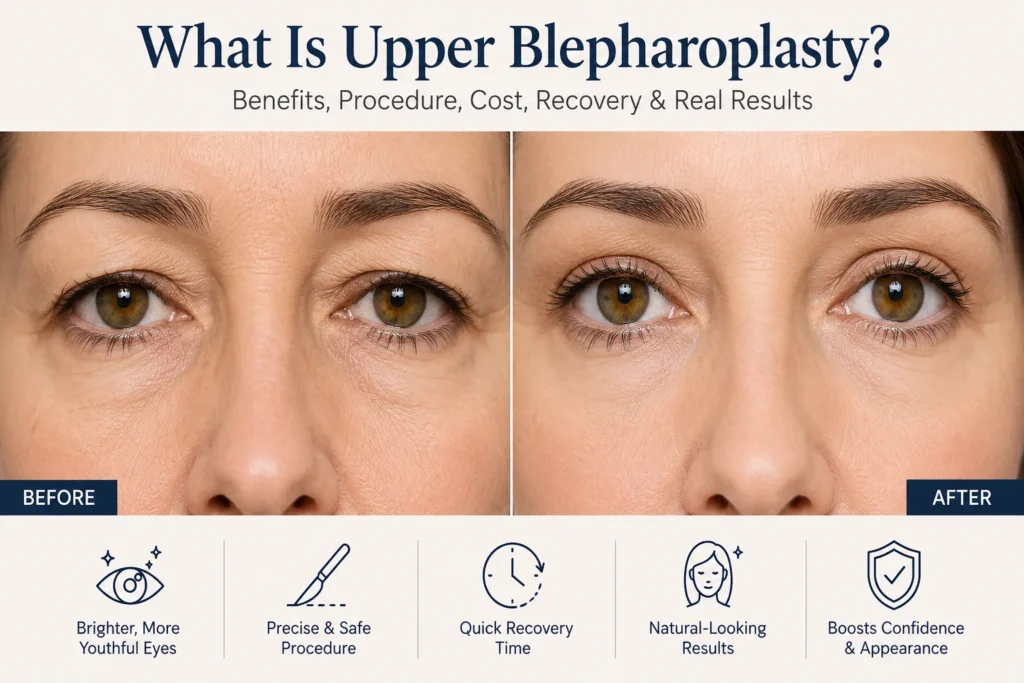
What Is Upper Blepharoplasty? A Complete, Honest Guide to Eyelid Rejuvenation
The eyes are often the first feature people notice and unfortunately, one of the first areas to show signs of aging. Drooping upper eyelids, excess skin, and a tired appearance can develop gradually, even in otherwise youthful faces. This is where upper blepharoplasty comes in.
If you’ve been researching options to restore a fresher, more alert look, you’ve likely come across this procedure. But what exactly does it involve, and is it the right choice for you?
This guide breaks everything down in clear, practical terms no hype, no confusion so you can make an informed decision.
Understanding What Upper Blepharoplasty Really Means
Upper blepharoplasty is a surgical procedure designed to remove excess skin, and sometimes fat, from the upper eyelids. Over time, skin loses elasticity and muscles weaken, which can lead to sagging or hooded eyelids.
This isn’t just a cosmetic concern. In some cases, severe drooping can even affect vision by limiting the upper field of sight.
A well-performed procedure focuses on restoring natural contours rather than dramatically altering your appearance. The goal is subtle improvement helping you look more awake, refreshed, and closer to how you felt years ago.
In medical terms, it’s often referred to as blepharoplasty of upper eyelid, and it’s one of the most commonly performed facial procedures worldwide.
upper eyelid surgery blepharoplasty
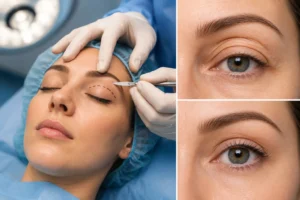
Upper eyelid surgery, commonly known as blepharoplasty, is a precise and highly individualized procedure. It’s not a one-size-fits-all treatment, which is why proper consultation is critical.
What Happens During the Procedure?
The surgery typically involves:
- Making a small incision along the natural crease of the eyelid
- Removing or repositioning excess skin and fat
- Tightening underlying tissue if needed
- Closing the incision with fine sutures
Because the incision is hidden within the natural fold, scarring is usually minimal and fades significantly over time.
Most procedures are performed under local anesthesia with sedation, although general anesthesia may be used depending on the case.
Who Is a Good Candidate?
You may benefit from upper eyelid surgery if you have:
- Loose or sagging skin creating a hooded appearance
- Puffy upper eyelids due to fat deposits
- Asymmetry between the eyelids
- Vision obstruction caused by drooping skin
Candidates should be in generally good health and have realistic expectations about the outcome.
upper eyelid blepharoplasty
While it may sound similar, “upper eye lid blepharoplasty” often reflects how patients search for the procedure rather than a different treatment. Still, it highlights an important point: patients are usually looking for natural-looking results, not obvious surgical changes.
Subtle vs. Overdone Results
A skilled surgeon focuses on preserving your natural eye shape. Over-removal of skin or fat can lead to an unnatural or hollow look something patients sometimes describe when they worry about upper blepharoplasty gone wrong.
That’s why experience matters. Clinics that specialize in facial aesthetics like those offering comprehensive services at Leevision tend to prioritize balance and proportion over aggressive correction.
Customization Matters
No two eyelids age the same way. Factors like:
- Skin thickness
- Muscle tone
- Fat distribution
- Eyebrow position
all influence the surgical approach.
A personalized plan ensures the result complements your overall facial features.
upper blepharoplasty recovery
Recovery is often quicker than many people expect, but it still requires patience and proper care.
What to Expect in the First Week
- Mild swelling and bruising
- Temporary tightness around the eyes
- Slight discomfort, usually manageable with medication
- Stitches removed within 5–7 days
Cold compresses and keeping your head elevated can help reduce swelling.
Healing Over Time
- Most visible swelling improves within 10–14 days
- Subtle swelling may last a few weeks
- Final results become more apparent after 1–3 months
This gradual improvement is completely normal.
Tips for a Smooth Recovery
- Avoid strenuous activity for at least 1–2 weeks
- Follow your surgeon’s aftercare instructions carefully
- Protect your eyes from sun exposure
- Avoid rubbing or applying pressure to the area
Understanding upper blepharoplasty recovery time helps set realistic expectations and reduces unnecessary anxiety during healing.
Cost of upper blepharoplasty
The cost of upper blepharoplasty varies depending on several factors. There isn’t a universal price, and cheaper isn’t always better when it comes to facial procedures.
What Influences the Cost?
- Surgeon’s experience and expertise
- Clinic location (e.g., blepharoplasty upper East Side vs. smaller cities)
- Type of anesthesia used
- Facility fees
- Complexity of the case
In major cities like upper blepharoplasty New York, prices are typically higher due to demand and operational costs.
Average Cost Range
Globally, the cost can range from:
- $2,000 to $6,000+ USD
However, prices may differ significantly depending on region and clinic standards.
Is It Covered by Insurance?
If the procedure is performed for medical reasons such as vision obstruction it may be partially covered by insurance. Cosmetic-only procedures are usually not covered.
before and after upper blepharoplasty
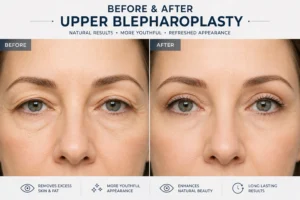
Before-and-after results are often the most compelling part of researching this procedure but they should be interpreted carefully.
What Good Results Look Like
- Natural eyelid contour
- Brighter, more open eyes
- Symmetry between both sides
- No obvious signs of surgery
The best outcomes don’t look “done.” They simply look refreshed.
Red Flags to Watch For
When reviewing results, be cautious of:
- Overly hollow eyelids
- Excessively tight skin
- Visible scarring
- Loss of natural eye expression
These can sometimes indicate poor technique or overly aggressive treatment.
Managing Expectations
Upper blepharoplasty can improve appearance significantly, but it won’t:
- Change your entire facial structure
- Stop the aging process
- Replace other treatments like brow lifts or skin resurfacing
Realistic expectations are key to satisfaction.
Benefits of Upper Eyelid Blepharoplasty
When performed correctly, the procedure offers both aesthetic and functional advantages.
Cosmetic Benefits
- More youthful appearance
- Reduced heaviness in the eyelids
- Improved eye definition
Functional Benefits
- Better peripheral vision (in some cases)
- Reduced eye fatigue caused by sagging skin
Psychological Impact
Many patients report feeling more confident and less self-conscious after healing.
Potential Risks and Complications
No surgical procedure is completely risk-free. While complications are rare when performed by qualified professionals, it’s important to be aware of them.
Possible Risks
- Infection
- Bleeding
- Dry eyes
- Temporary blurred vision
- Asymmetry
In rare cases, complications may lead to dissatisfaction, often described as upper blepharoplasty gone wrong.
Choosing an experienced surgeon significantly reduces these risks.
Non-Surgical Alternatives to Consider
Not everyone is ready for surgery, and in some cases, non-invasive treatments may provide noticeable improvement.
Popular Options
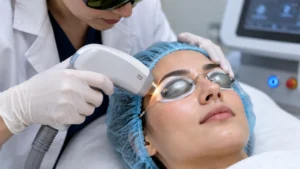
- Laser skin tightening
- Radiofrequency treatments
- Botox (for brow lifting effect)
- Dermal fillers (for volume support)
These options are less invasive but typically provide more subtle and temporary results compared to surgery.
How to Choose the Right Clinic
Searching for upper blepharoplasty near me will give you many options but not all clinics offer the same level of care.
What to Look For
- Board-certified or highly experienced surgeons
- Transparent consultations
- Real patient before-and-after photos
- Clear explanation of risks and outcomes
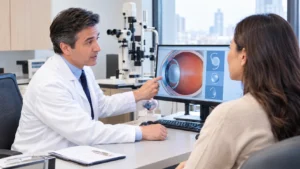
Clinics that combine ophthalmology expertise with aesthetic procedures often provide a more comprehensive approach.
Combining Upper Blepharoplasty with Other Treatments
For more complete facial rejuvenation, this procedure is sometimes combined with:
- Lower eyelid surgery
- Brow lift
- Skin resurfacing treatments
A combined approach can deliver more balanced and longer-lasting results.
Frequently Asked Questions (FAQs)
How long does upper blepharoplasty last?
Results typically last 7–10 years or longer, depending on aging, lifestyle, and skin quality.
Is upper blepharoplasty painful?
Most patients report mild discomfort rather than pain. Recovery is generally manageable with prescribed medication.
How long is the upper blepharoplasty recovery time?
Initial healing takes about 1–2 weeks, while full results develop over a few months.
Can upper blepharoplasty go wrong?
Complications are uncommon but possible. Choosing a qualified and experienced surgeon greatly minimizes risks.
Will there be visible scars?
Incisions are placed within the natural eyelid crease, making scars barely noticeable once healed.
Is it better than non-surgical treatments?
Surgery provides more dramatic and long-lasting results, while non-surgical options offer temporary improvements.
Can men get upper eyelid surgery?
Yes, many men opt for blepharoplasty to reduce tired or heavy-looking eyes while maintaining a masculine appearance.
How do I find the best upper blepharoplasty near me?
Look for reputable clinics with strong patient reviews, proven results, and a focus on natural outcomes.
Final Thoughts: Is Upper Blepharoplasty Right for You?
Upper blepharoplasty isn’t about changing who you are, it’s about restoring what time may have softened or altered. When done thoughtfully, it can make a meaningful difference in both appearance and confidence.
If you’re considering the procedure, the next step is a professional consultation. A qualified specialist can assess your needs, explain realistic outcomes, and help you explore whether surgery or a non-surgical alternative is the better path.
You can learn more about advanced eye and aesthetic treatments by visiting Leevision and exploring available options tailored to your goals.