






Oculoplastic Surgeon: Expert Guide to Eyelid, Orbital & Eye Aesthetic Care
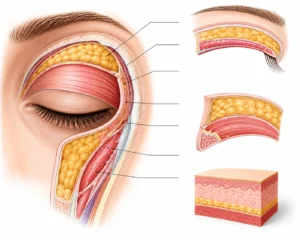
When people search for an oculoplastic surgeon, it’s often because something around the eyes has changed—droopy eyelids, persistent under-eye bags, vision obstruction, or simply signs of aging that no skincare routine seems to fix. The challenge is knowing whether this is a cosmetic concern, a medical issue, or both—and more importantly, who is truly qualified to treat it.
The area around the eyes is delicate, functionally critical, and aesthetically defining. Choosing the right specialist isn’t just about appearance—it’s about protecting your vision while improving how you look and feel. This guide walks you through everything you need to know, from what an oculoplastic surgeon does to how to choose the best one for your needs.
What Is an Oculoplastic Surgeon?
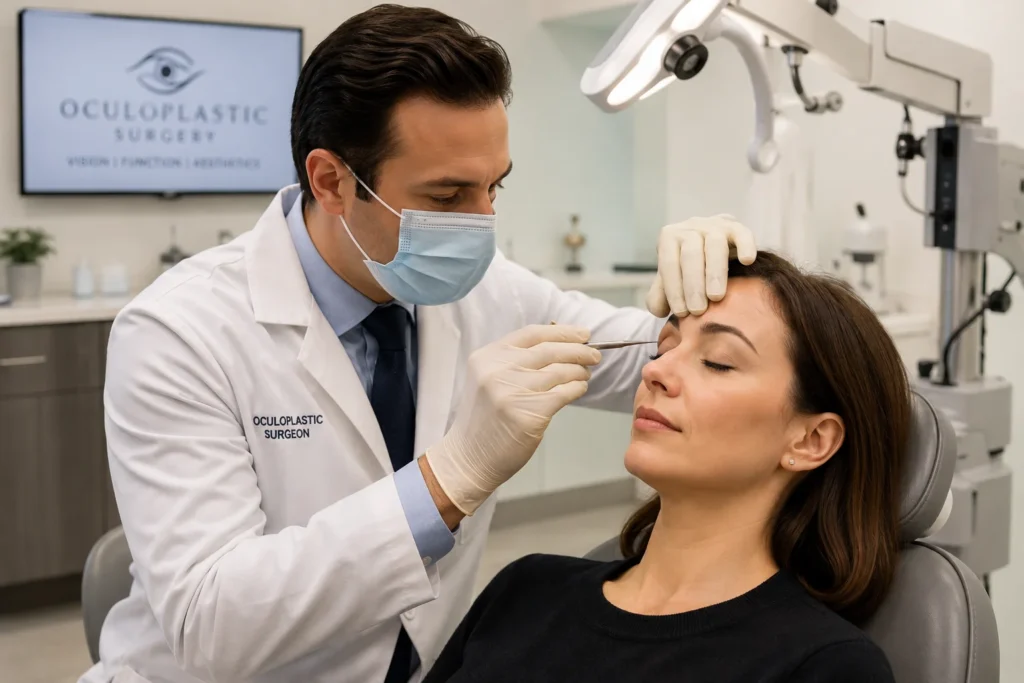
An oculoplastic surgeon is a highly specialized ophthalmologist who undergoes additional fellowship training in plastic and reconstructive surgery focused exclusively on the eyes and surrounding structures.
Unlike general plastic surgeons, oculoplastic surgeons:
- Start as eye doctors (ophthalmologists)
- Have deep expertise in vision, eye anatomy, and orbital structures
- Perform both functional and cosmetic procedures around the eyes
This dual expertise matters more than most patients realize. The eyelids aren’t just cosmetic they protect the eye, maintain tear distribution, and support vision. Even a small surgical miscalculation can affect eye health.
Organizations like the American Academy of Ophthalmology emphasize that oculoplastic surgeons are uniquely trained to balance aesthetics with ocular safety something that general cosmetic approaches may overlook.
What Do Oculoplastic Surgeons Do?
Oculoplastic surgeons handle a wide range of conditions that affect both appearance and function. Their work can broadly be divided into two categories:
Functional (Medical) Treatments
These procedures address issues that interfere with eye health or vision:
- Ptosis (droopy eyelid) that blocks vision
- Entropion/Ectropion (eyelid turning inward or outward)
- Tear duct blockages causing excessive watering
- Orbital tumors or trauma
- Thyroid eye disease (bulging eyes)
- Eyelid malpositions after injury or aging
In these cases, surgery is not optional it’s often medically necessary.
Cosmetic (Aesthetic) Procedures
Focused on rejuvenation and enhancement:
- Upper and lower blepharoplasty
- Under-eye bag removal
- Eyelid tightening
- Brow lifting
- Fat repositioning for hollow eyes
The key difference? Cosmetic procedures aim to improve appearance but still require medical precision.
Oculoplastic Surgeon vs Plastic Surgeon: What’s the Real Difference?
This is where many patients make costly mistakes.
| Factor | Oculoplastic Surgeon | Plastic Surgeon |
|---|---|---|
| Core Training | Ophthalmology (eye specialist) | General surgery + cosmetic training |
| Focus Area | Eyes & surrounding structures | Full body |
| Vision Protection | High priority | Not always primary focus |
| Complexity Handling | Orbital, tear duct, eyelid function | General cosmetic reshaping |
Practical insight:
If your concern involves eyelid drooping, vision issues, or anything near the eye itself, an eyelid specialist (oculoplastic surgeon) is often the safer and more precise choice.
A general plastic surgeon may be suitable for broader facial procedures but the eye area is a niche where specialization matters.
Conditions Treated by Oculoplastic Surgeons
An experienced oculoplastics surgeon treats more than just aging concerns. Some of the most common conditions include:
1. Ptosis (Droopy Eyelids)
- Can block vision
- Often worsens with age
- Sometimes neurological
2. Dermatochalasis (Excess Eyelid Skin)
- Causes heaviness and tired appearance
- May qualify for medical insurance if vision is affected
3. Tear Duct Disorders
- Chronic watery eyes
- Recurrent infections
- Treated with procedures like DCR (dacryocystorhinostomy)
4. Orbital Conditions
- Tumors, fractures, or inflammation
- Require an orbital surgeon with advanced expertise
5. Thyroid Eye Disease
- Bulging eyes, dryness, discomfort
- Often needs staged surgical correction
According to the Mayo Clinic, early diagnosis of these conditions significantly improves both functional and cosmetic outcomes.
Cosmetic Procedures Performed by Oculoplastic Surgeons
Blepharoplasty (Eyelid Surgery)
The most common procedure performed by a blepharoplasty surgeon:
- Removes excess skin and fat
- Improves field of vision (upper lids)
- Reduces under-eye puffiness (lower lids)
Under-Eye Correction
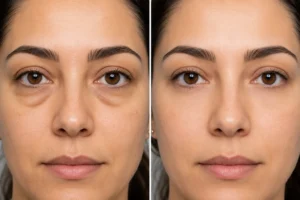
- Fat repositioning instead of removal (modern approach)
- Addresses hollowness and dark circles
Brow Lift
- Elevates sagging brows
- Reduces forehead heaviness
Subtle Insight Most Clinics Don’t Explain:
A natural result is not about removing more tissue it’s about preserving structure. Over-aggressive surgery leads to hollow, unnatural eyes.
Non-Surgical Eye Rejuvenation Options

Not every patient needs surgery and a good eye plastic surgeon will tell you that.
Common Non-Surgical Treatments:
- Botox: reduces crow’s feet and lifts brows slightly
- Dermal fillers: restore under-eye volume
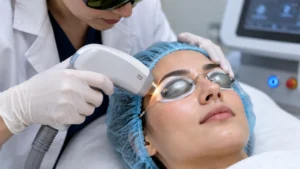
- Skin tightening devices: mild lifting effects
The FDA regulates many of these treatments, but outcomes depend heavily on injector skill especially around the eyes.
When You DON’T Need Surgery:
- Mild under-eye hollowness
- Early signs of aging
- Temporary aesthetic concerns
When Non-Surgical Is Not Enough:
- Significant eyelid drooping
- Excess skin obstructing vision
- Structural changes
How to Choose the Best Oculoplastic Surgeon
Searching for the best oculoplastic surgeon isn’t just about reviews it’s about credentials, experience, and judgment.
Key Factors to Evaluate:
- Board certification in ophthalmology
- Fellowship training in oculoplastic surgery
- Before-and-after portfolio (natural results)
- Experience with your specific condition
- Honest consultation approach
Mistakes Patients Commonly Make:
- Choosing based on price alone
- Ignoring specialization
- Falling for overly “perfect” before/after images
- Not asking about complications
Real-World Tip:
A surgeon who sometimes says “you don’t need surgery” is often more trustworthy than one who always recommends it.
What to Expect During Your Consultation
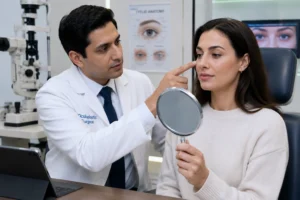
A proper consultation with an eyelid surgery specialist should feel more like a medical evaluation than a sales pitch.
It Typically Includes:
- Detailed eye examination
- Vision assessment
- Facial symmetry analysis
- Discussion of goals vs realistic outcomes
- Review of medical history
Some clinics, like those offering advanced aesthetic planning (see: Clearlee Perfect Aesthetics, integrate digital imaging to simulate results—but these are guidelines, not guarantees.
Before and After Results: What’s Realistic?
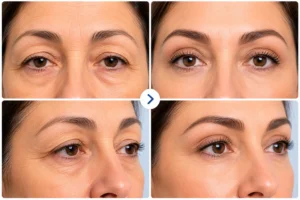
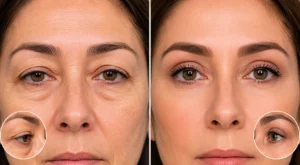
What Good Results Look Like:
- Natural, refreshed appearance
- No obvious signs of surgery
- Maintained eye function
What Unrealistic Expectations Look Like:
- Completely wrinkle-free eyes
- Dramatic facial transformation
- Permanent results without aging
A skilled best oculoplastic surgeon near me will prioritize subtlety over dramatic change.
Recovery Timeline and Healing Process

Healing varies depending on the procedure and individual factors.
General Recovery Stages:
- Days 1–3: swelling and bruising peak
- Week 1: stitches removed (if applicable)
- Weeks 2–3: visible healing improves
- 1–3 months: final results refine
Procedure vs Estimated Cost
| Procedure | Estimated Cost (USD) |
|---|---|
| Upper Blepharoplasty | $3,000 – $6,000 |
| Lower Blepharoplasty | $3,500 – $7,000 |
| Ptosis Repair | $4,000 – $8,000 |
| Tear Duct Surgery | $2,500 – $6,500 |
| Brow Lift | $4,000 – $9,000 |
Costs vary by location (e.g., oculoplastic surgeon NYC vs smaller cities) and complexity.
Treatment vs Recovery Time & Expected Results
| Treatment | Recovery Time | Expected Results |
|---|---|---|
| Blepharoplasty | 2–3 weeks | Long-lasting rejuvenation |
| Ptosis Surgery | 1–2 weeks | Improved vision + appearance |
| Botox | 2–3 days | Temporary wrinkle reduction |
| Fillers | 1 week | Volume restoration |
| Brow Lift | 2–4 weeks | Lifted, youthful brow |
Risks, Safety, and Complications
Every procedure carries risk—even in expert hands.
Potential Risks:
- Dry eyes
- Infection
- Asymmetry
- Overcorrection or undercorrection
- Vision complications (rare but serious)
This is why choosing an experienced oculoplastic surgeon Houston, NYC, or anywhere else matters more than convenience alone.
Cost Breakdown: What You’re Really Paying For
Costs reflect more than just surgery time:
- Surgeon expertise
- Facility and equipment
- Anesthesia
- Post-operative care
Important Insight:
Cheaper procedures often cut corners in one of these areas sometimes at the expense of safety.
Finding an “Oculoplastic Surgeon Near Me”
When searching for an oculoplastic surgeon near me, prioritize quality over proximity but aim for both.
What to Look For Locally:
- Specialized clinics (not general med spas)
- Verified credentials
- Real patient reviews
- Transparent consultations
Location-Based Reality:
Top surgeons in major cities like NYC or Houston may have higher costs but often offer more experience with complex cases.
Common Myths vs Facts
Myth: Eyelid surgery is purely cosmetic
Fact: Many cases are medically necessary
Myth: Results last forever
Fact: Aging continues, though results are long-lasting
Myth: Any cosmetic surgeon can do eyelid surgery
Fact: Eye anatomy requires specialized expertise
When You Actually Need an Oculoplastic Surgeon (And When You Don’t)
You Likely Need One If:
- Your eyelids affect vision
- You have chronic eye irritation
- You want precise, natural eye rejuvenation
You May NOT Need One If:
- Your concern is mild and temporary
- Non-surgical options can address the issue
- Expectations are unrealistic
Frequently Asked Questions (FAQs)
What is an oculoplastic surgeon?
An oculoplastic surgeon is an ophthalmologist with advanced training in plastic and reconstructive surgery of the eyelids, orbit, and surrounding facial structures.
What do oculoplastic surgeons do?
They perform both functional and cosmetic procedures, including eyelid surgery, tear duct repair, and orbital reconstruction.
How to become an oculoplastic surgeon?
It requires medical school, ophthalmology residency, and additional fellowship training in oculoplastic surgery.
How much do oculoplastic surgeons make?
Income varies widely but typically ranges from $250,000 to $600,000+ annually depending on experience and location.
Do oculoplastic surgeons charge more for eyelid surgery?
Often yes, due to their specialized expertise but this can translate to safer, more precise outcomes.
Do oculoplastic surgeons charge more than plastic surgeons?
Not always. Costs depend more on experience, location, and case complexity than specialty alone.
Conclusion
Choosing an oculoplastic surgeon is not just about improving how you look it’s about protecting how your eyes function while achieving natural, balanced results.
The best outcomes come from:
- Accurate diagnosis
- Realistic expectations
- Expert surgical planning
If you’re dealing with droopy eyelids, under-eye bags, or functional eye concerns, a consultation with a qualified specialist is the most important first step. Not every case requires surgery but every case benefits from expert evaluation.